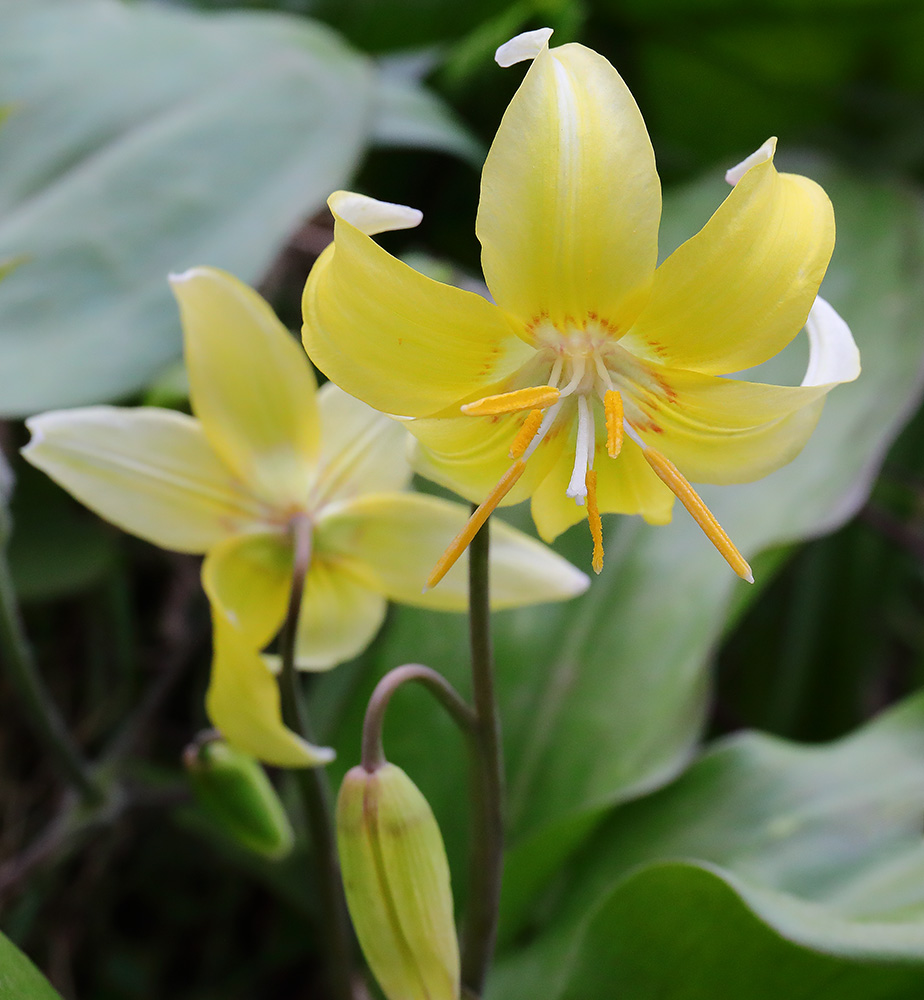
NB: A note for WordPress Reader users – you need to click on the title of the post again to see the full photograph. (Otherwise you see just a tiny section!)
Happy Easter! 🙂

Ann Mackay: Inspired by Nature
Photography celebrating flowers, plants, and the natural world
NB: A note for WordPress Reader users – you need to click on the title of the post again to see the full photograph. (Otherwise you see just a tiny section!)
Happy Easter! 🙂

NB: A note for WordPress Reader users – you need to click on the title of the post again to see the full photograph. (Otherwise you see just a tiny section!)
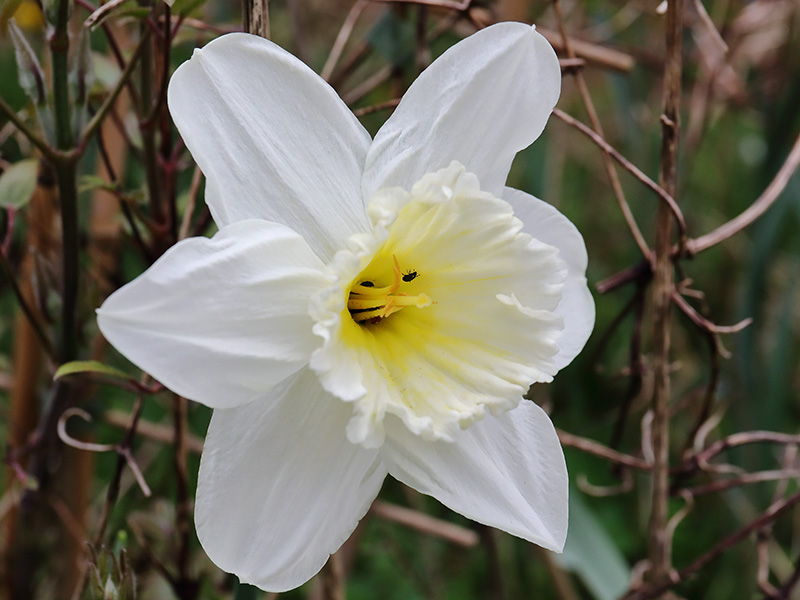
My childhood image of daffodils was always of brilliant yellow flowers. There were borders of them growing along all the edges of my parents’ garden and a few miles away there were vast swathes of them growing alongside a river. Some had a bit of orange on the cup, but most were yellow.
I do have a number of yellow daffodils in my own garden. I especially like the tiny ones because their short stems make them less likely to get flattened if it’s windy. But now I have more white ones (some with an orange or pale yellow cup). The idea of having the white daffodils was to give a more sympathetic backdrop to the hellebores which are still in flower. (The yellow daffodils can look a rather harsh colour when growing alongside the pinks and creams of the hellebores.)
Unfortunately for my colour scheme, that didn’t really work – turns out I have a number of yellow daffodils growing close to the hellebores after all. The problem is that bulbs so often get accidentally dug up and then replanted in the wrong place. I’ll need to shift those yellow daffodils and be a bit more careful in future!
Meanwhile, if there’s time away from all the work needed in the garden, I must bring some of the daffodils indoors to photograph them. It has been too windy outside to photograph many of them there. Breezy days are all part of the joys of spring flower photography, hehe!

NB: A note for WordPress Reader users – you need to click on the title of the post again to see the full photograph. (Otherwise you see just a tiny section!)
Spring here can be full of colour. There are the reds and pinks of hellebores, and of tulips later on. Of course there are the yellows of daffodils that mean spring to most of us. And above all, I love the blues of anemones, hyacinths and grape hyacinths.
Some white can be a welcome change. White flowers have an air of freshness and for me at least, a more natural, less ‘bred’ look than many other garden flowers. The simplicity of the colour can lend a calm feeling to the area they’re planted in. Less distracting or attention-grabbing than the more colourful spring blooms.
The pasqueflower (Pulsatilla vulgaris) photographed here is growing near one end of the pond I’ve been building. I’m hoping that it will give a softer and slightly wilder feel to the area around the pond in spring. (Pulsatilla vulgaris is actually native to the UK.)
That wilder feel that I’d like won’t carry on through the the rest of the year. Because nearby there are clumps of echinaceas in an intense red and a (fortunately subtler) orange that will demand attention during late summer. The echinaceas are happy there so I won’t move them. They’re short-lived plants, so when they need to be replaced, it will be a bit further away.
For now, though, I’m enjoying the delicate look of these delightfully fluffy white flowers.


NB: A note for WordPress Reader users – you need to click on the title of the post again to see the full photograph. (Otherwise you see just a tiny section!)
In spring things start to move quickly in the garden. The first shoots soon become the first leaves of re-emerging plants. Flowers arrive, dazzle us with their vibrant colours, and disappear again. There’s always something new coming along to replace the flowers that have gone before.
The busyness of spring means that I often miss photographing some of the flowers in the garden. Every year I tell myself that I’ll try to get them all, but that doesn’t happen. There are usually too many things demanding attention at the same time (a new pond this year), so some things just don’t get photographed.
These crocuses are an example of my ‘misses’. The pictures here are from last year. This year I was too slow with them. I certainly noticed the crocuses when first the yellow, and then the purple and the purple and white flowers opened wide in the sun. And I did take time to enjoy the sight of them. But somehow I was always too busy to have my camera in hand whenever I was near them. By the time I’d thought of it, they’d started to go over. Shame. But I’m glad that I did make the effort to take photographs soon enough last year.
This spring the crocuses seem to have gone over more quickly than usual due to the very warm weather we’ve had. One minute their flowers were gleaming in the sunshine and the next there were what looked like shreds of tattered silk on the ground. The crocus flowers arrived suddenly and departed just as suddenly. Next year I need to remind myself that they may not be around for long and to take photographs as soon as I have the chance.


NB: A note for WordPress Reader users – you need to click on the title of the post again to see the full photograph. (Otherwise you see just a tiny section!)
While I’ve been waiting for the spring flowers to start opening there has been a very bright splash of colour indoors. These bold reddish-orange flowers belong to Clivia miniata, otherwise know as the ‘forest lily’ or ‘natal lily’.
The colour feels much more summery than the paler colours that are appearing with the spring flowers. Reds and oranges always make me think of hot summer days. I think my clivia is a rather darker shade and more red than most (judging by the pictures in Google search). Apparently they are more variable when raised from seed, but I have no idea if this one was. (It was given to me by another gardener. A fabulous gift!)
These flowers have been a cheerful and quite exotic sight. They have greeted me every time I went into the conservatory for the last couple of weeks. Now the flowers are starting to fade – I shall miss them until they return next year!

NB: A note for WordPress Reader users – you need to click on the title of the post again to see the full photograph. (Otherwise you see just a tiny section!)
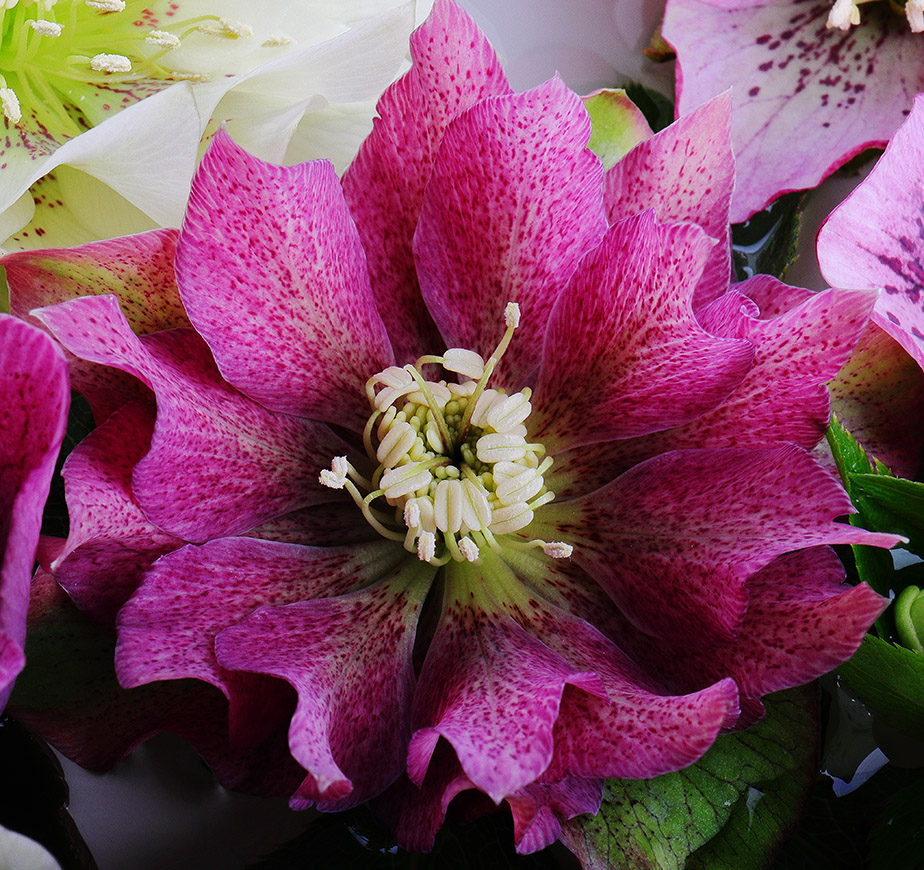
The hellebores here were given to me from my neighbour’s garden. She knows that I photograph flowers, so she knew I would be delighted with them. A lovely gift, and one that kept me happy for a long while.
The top photograph is of a flower floating in a bowl of hellebores. I found that I preferred photographing the hellebore close-up, rather than trying to photograph the whole bowl of flowers. I think that’s partly due to the limitations of my bowl (not the most attractive) and partly because I find it much harder to create a pleasing composition from so many very varied flower heads.
It’s a lot more satisfying to me to arrange a smaller group of flower heads, especially if they are somehow related. That makes it easier to concentrate on the details of the flowers – even more so if I choose to photograph just a single flower.
I love seeing hellebores appear in early spring. They have a very exotic look which is not what I would really expect in a UK garden that is still shivering in chilly breezes. Both single and double flowers are utterly enchanting, but the doubles are just a bit more elaborate. I actually think the singles suit my garden better because of the fairly naturalistic planting here. However, I’m happy to create a slightly more formal looking area that should suit a few of the doubles – if I get a chance to buy some!
You may have noticed that I pinched my title from the David Bowie song. If you’d like to hear a very different version by Lisa Hannigan, it’s here. Enjoy!

NB: A note for WordPress Reader users – you need to click on the title of the post again to see the full photograph. (Otherwise you see just a tiny section!)
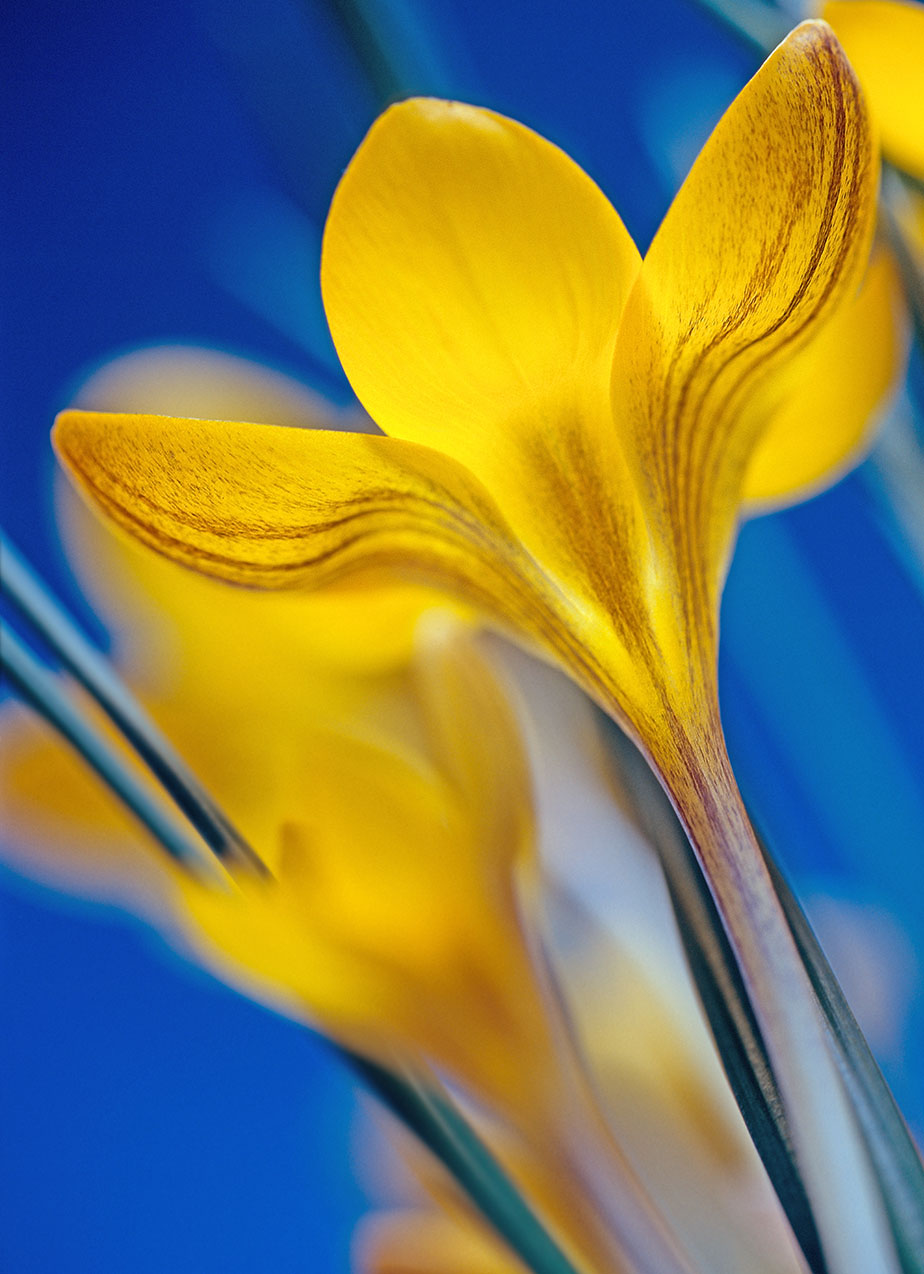
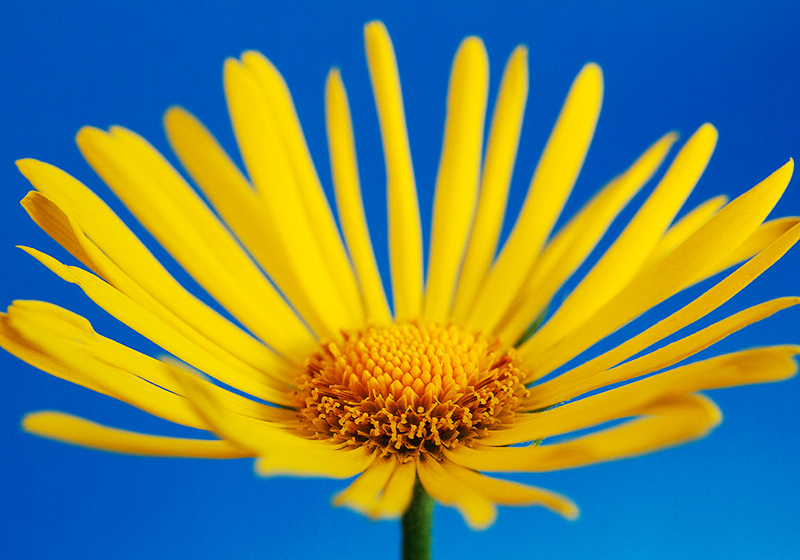
I cannot find the words to express how I feel about the evil of the war being made on Ukraine by Putin and the Kremlin. My heart is full of grief and rage at the terrible sufferings of the brave Ukrainian people. Yellow and blue – the colours of the Ukrainian flag – will always stand for courage.
Slava Ukraini!
NB: A note for WordPress Reader users – you need to click on the title of the post again to see the full photograph. (Otherwise you see just a tiny section!)
This is a time of year that I really look forward to. The garden is beginning to waken from winter and the first flowers of the year are starting to open. These early flowers are an invitation to come outside and have a look around to see what new delights have appeared.
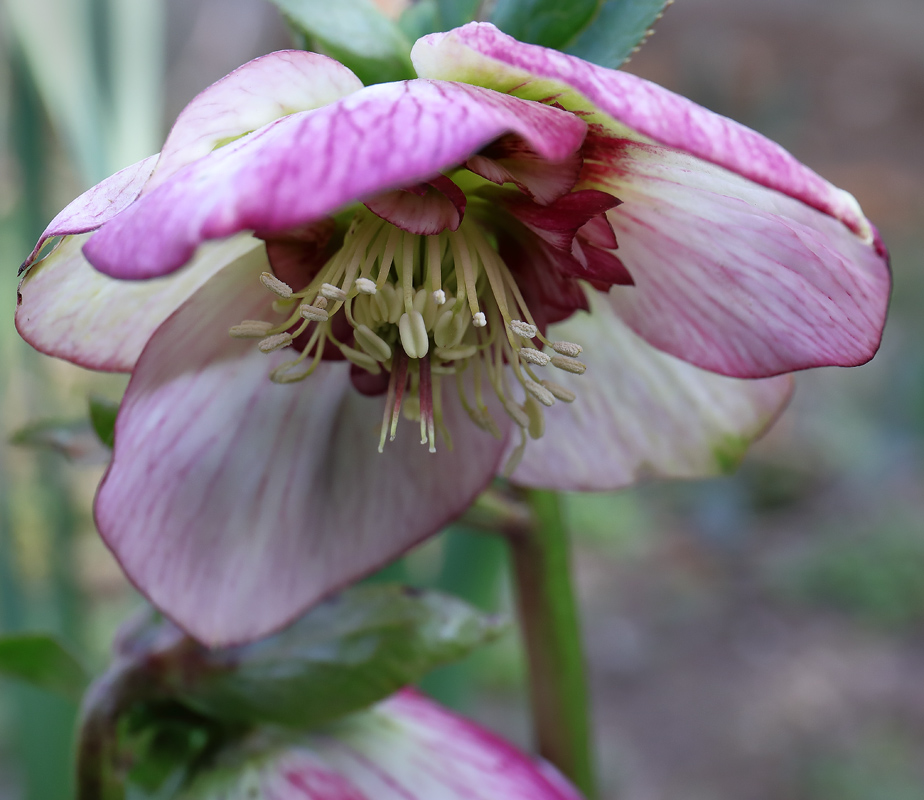
Amongst these, the hellebores are the flowers that demand attention first. After the tiny winter flowers of mahonia, Viburnum bodnantense and winter jasmine, their big, showy blooms bring an exotic feel to borders that have been starved of colour for a few months.

I find the variations in hellebore flowers fascinating. There are so many different flowers and new ones being bred all the time – all with beautiful colours and markings on the petals.
The flower forms can vary too. On this one the nectaries are very large and a deep red. (The nectaries are the tube-like shapes, arranged in a ring at the base of the petals. In fact, these nectaries are reckoned to have evolved from the hellebore’s original petals, while what we think of as the petals are actually sepals. The sepals last for far longer than petals can, meaning that hellebores have very long-lasting flowers.)
These are such pretty flowers (and good for early bees) that I would love to have lots more. Unfortunately, they can be quite expensive to buy, but occasionally I’m lucky enough to find one at a price that’s easier to afford. For the pleasure they give, they’re worth it!

NB: A note for WordPress Reader users – you need to click on the title of the post again to see the full photograph. (Otherwise you see just a tiny section!)
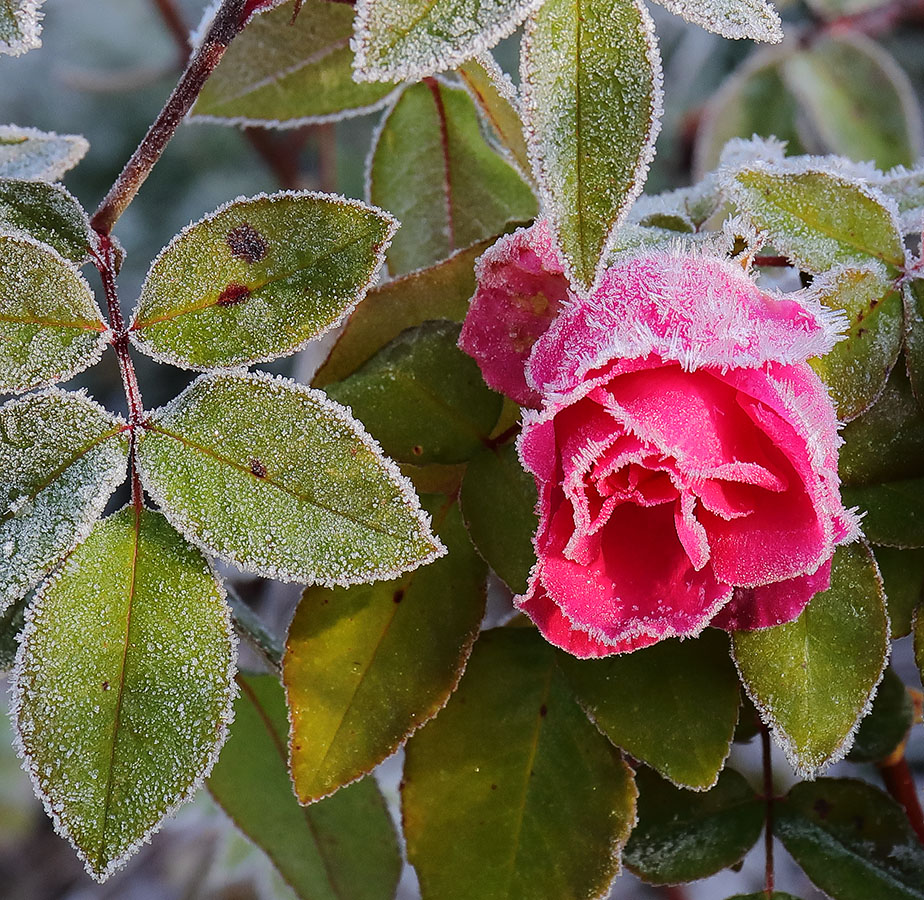
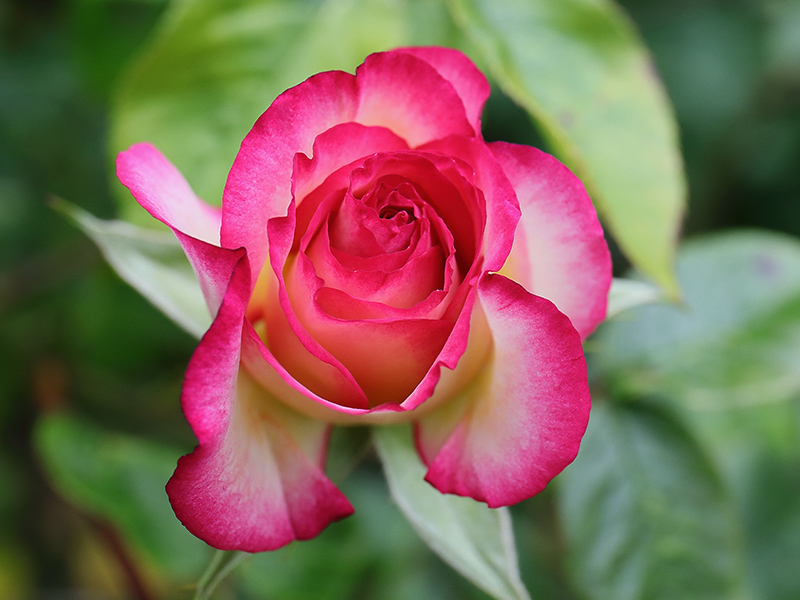
As it’s Valentine’s Day tomorrow, it felt like a good excuse to show images of roses. They are a bit more colourful than most of the pictures I’ve posted over the last few weeks. Of course, the top rose is still in keeping with my recent wintry theme.
This rose (Zepherine Drouhin) had been caught by an early frost after managing a few flowers at the start of November a couple of years ago. There have been no frosty roses this year because our early winter was much milder.
I don’t have many roses in the garden, so I’m looking forward to being able to see and photograph some in the gardens I visit this year. (And I’ll enjoy having a sniff at them too!) Being already halfway through February makes it feel as if the days of summer, full of colour and scents and sunshine, are not so far away.
My roses here aren’t the traditional Valentine’s red, but I hope they’ll bring a smile. And I hope that you’ll enjoy a happy Valentine’s Day!

NB: A note for WordPress Reader users – you need to click on the title of the post again to see the full photograph. (Otherwise you see just a tiny section!)
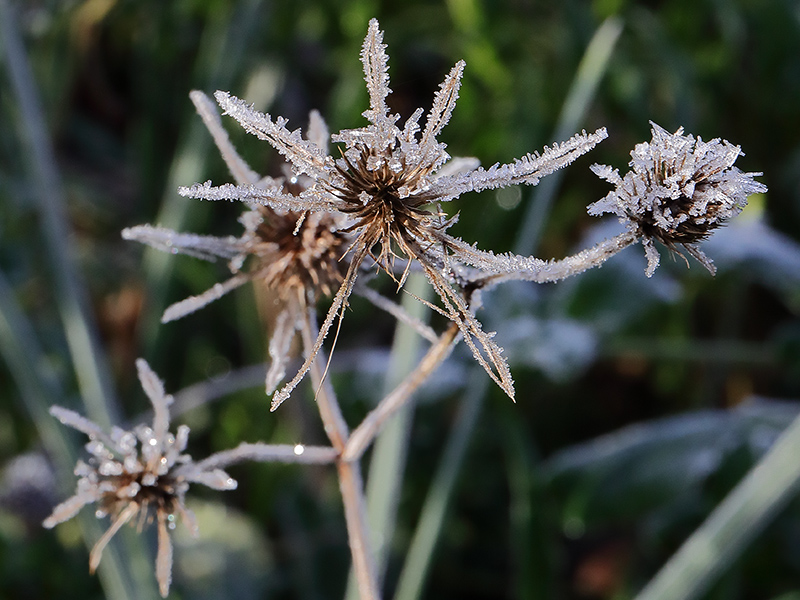
Some more frosty pictures for today, but these were all taken a few weeks ago. It looks as if these may be the last frost pictures for this winter because the nights are not so cold now.
February has brought a feeling that, for us, the worst of winter is over. And I know how much I may be tempting fate with that statement! Here’s hoping we don’t get another ‘Beast from the East’ bringing especially wintry weather in the next month or two.

We haven’t had very much frost this year, although it has been cold enough on many nights to create a layer of ice on our half-finished pond. There’s been no snow either – in fact snow is starting to be a novelty whenever we do get any. Next time we get a really hard winter it will probably come as a shock, with us being unprepared to deal with it.
The last few days have given me the impression that spring is not so far away. I’m always glad to see the end of January, because I know that February is often mild enough to make working in the garden enjoyable again. There are the first signs of new life – early spring hellebore buds are appearing and there are tiny, tightly-curled new leaves on the honeysuckle.

Soon it will be time to get ready for spring. I’m never very organised when it comes to sowing seeds. Even so, I usually manage to grow something that will give me a new subject to photograph. More important this year, though, will be moving plants around and renovating borders in the garden. There’s plenty to look forward to, and hopefully lots of changes for the better through the year.
 Ann Mackay: Inspired by Nature