Irises: Intricately Beautiful

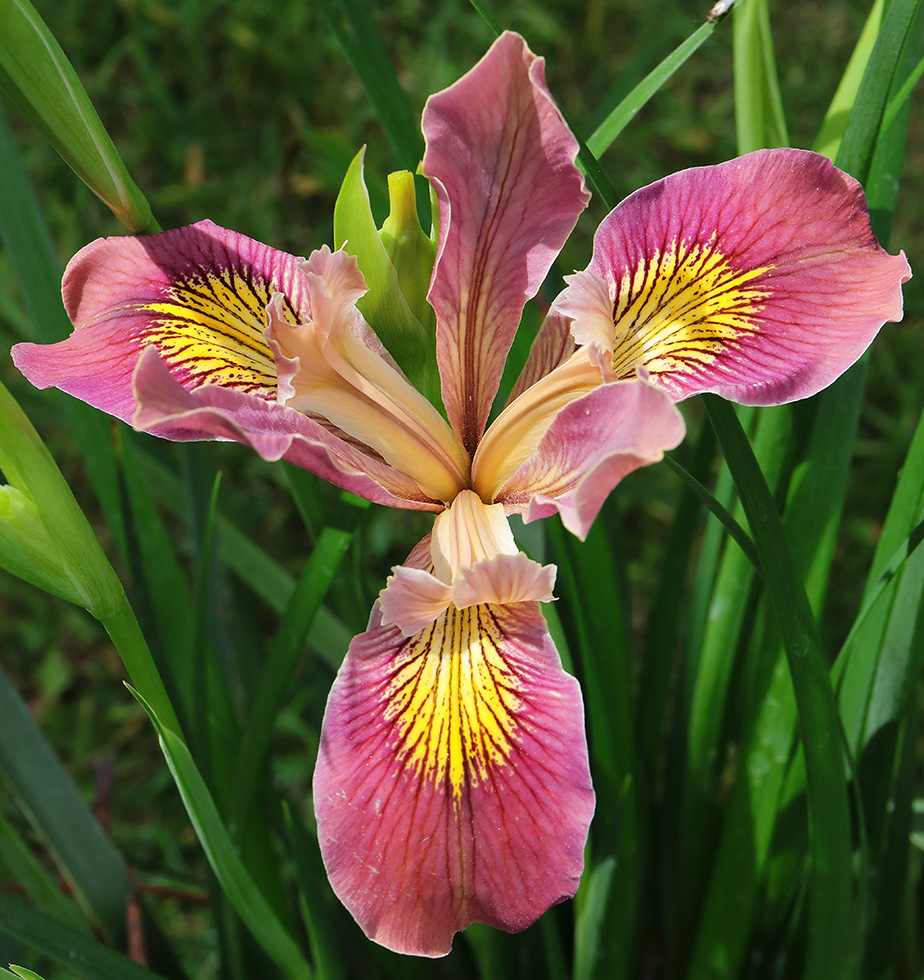
Iris 'Broadleigh Rose'

Late spring feels really special when the irises start to flower. The iris above is (I think) a Pacific Coast iris called ‘Broadleigh Rose’. It was given to me by my generous friend Judy. (Thanks Judy!) This is the first time it has flowered and I’m delighted with it.

Irises are a marvellous plant for photography. They have it all – rich colours, striking markings, and a really ‘architectural’ shape. Iris sibirica is probably my favourite for photography because it combines an elegant shape with the boldest of markings.

At the moment, these irises are all living in large containers. They’re patiently waiting for me to finish preparing the border that will be their home. (That area previously had a row of huge conifers growing behind it in the neighbouring garden, so it was difficult to get anything to grow there. With the removal of the trees, I’ve had the chance to rejuvenate the area.)
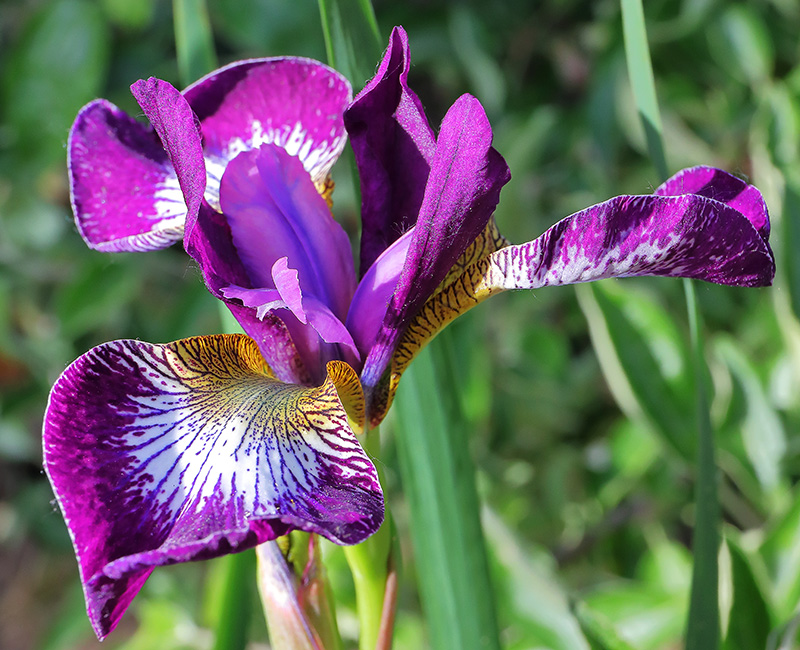
Iris sibirica 'Currier'
Iris sibirica ‘Currier’

The new border runs most of the way along one side of the garden. There are already several well-established shrubs and some more recently planted small fruit trees along the border. But most of the rest is fairly bare, with just some planting at one end.

Eventually (!) this border will have a pond and a bog area. I’d really like to grow moisture-loving plants and this seems to be the only way that I can do it. (Unlike the garden in Scotland, where poor drainage meant we had areas that could flood.)

The pond has been dug out. (That took me a long time!) Now I need to level out the ground around it a bit, as the garden has a slight slope. This job is proving difficult because the ground has become so dried out.

But the irises are cheering me on with their vibrant colours, so hopefully it won’t be too long before they have the chance to get settled in to their new surroundings. I’m really looking forward to seeing what the border will look like next year!
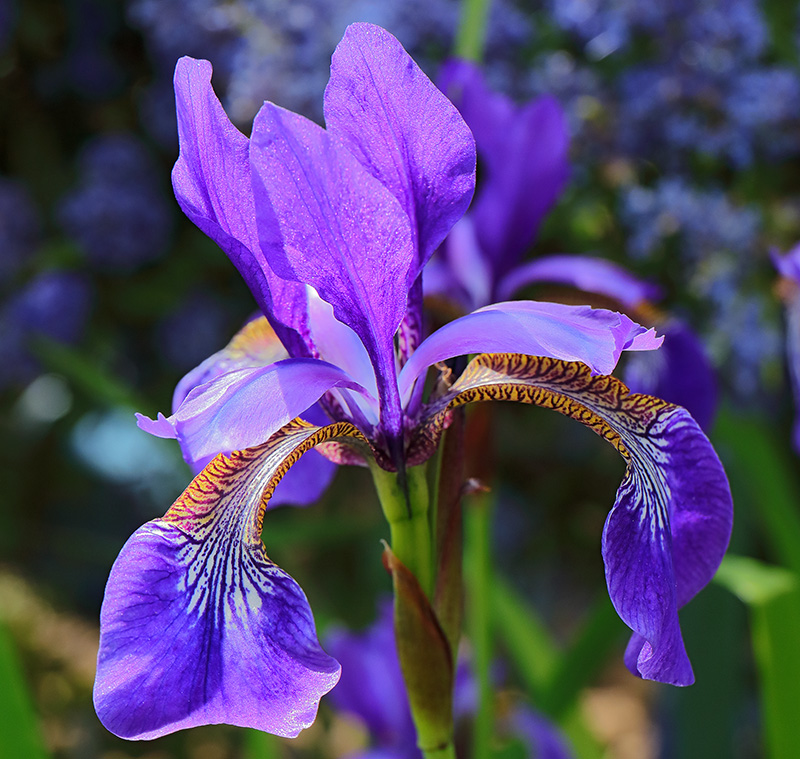
Iris sibirica
Iris sibirica

Ranunculus: Jewel Colours

These ranunculus plants were the last plants I bought before the Covid-19 lockdown. It’s strange to think how different life was then.

The supermarket where I bought them was full of people rushing in and out on a busy weekend. Families and elderly people all going about normal life. While choosing my plants, I chatted happily with another lady who was a keen gardener…changed days!

Nurseries and garden centres have just started to open up again here but some had already begun selling over the internet and delivering locally. We were pleased to be able to buy from a tiny local nursery that we use every year. (Hubby plants annuals into tubs and baskets for the front of the house every year. I’m more into perennials.) It was a relief to know that the nursery would be able to survive.

As it has turned out, the extra time that folk now have to work in their gardens seems to have made many of these small businesses busier.

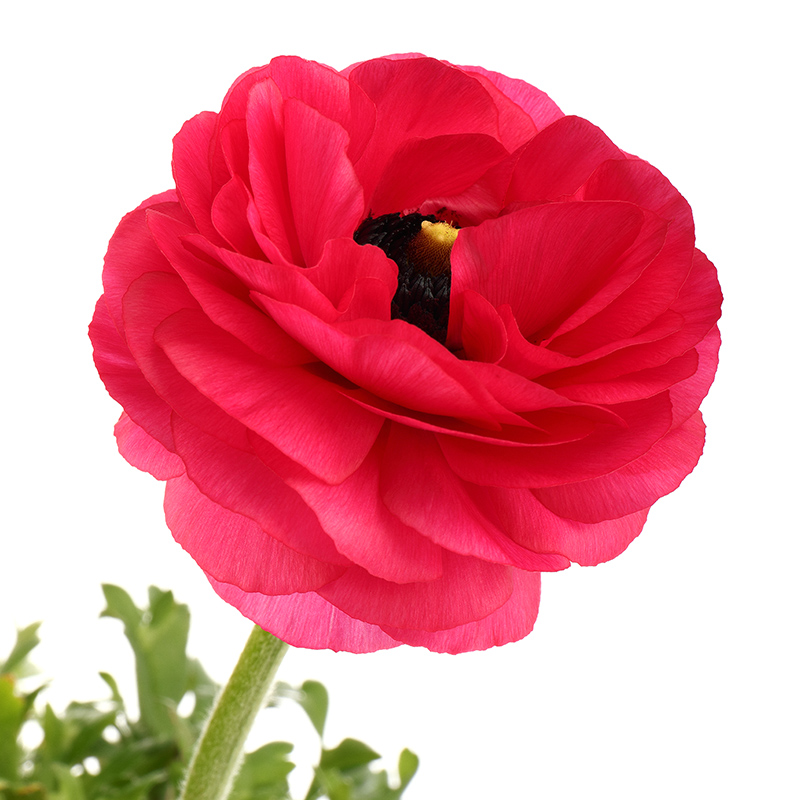
Ranunculus-red-4967

While garden centres and nurseries may cope with the effects of the pandemic, it’s a disastrous year for garden events and openings. Some however, have tried to offer an online alternative.

The Chelsea Flower Show is the biggest of these online events. For the week, the RHS had a programme of short talks by growers and designers plus a few visits to gardens that we might not normally see. It’s been interesting, but nothing like watching Chelsea on the TV as we normally do.

The BBC has managed to make some interesting programmes using footage of previous Chelsea shows alongside interviews with designers, growers and presenters all in their own gardens and nurseries. I enjoyed this much more than the RHS event – it gave more space to talk about garden design and the developments going on within gardening.

(If you’re in the UK, you should be able to watch the BBC programmes on the iPlayer. But if you’re elsewhere, you may find some of the programmes on Youtube.)

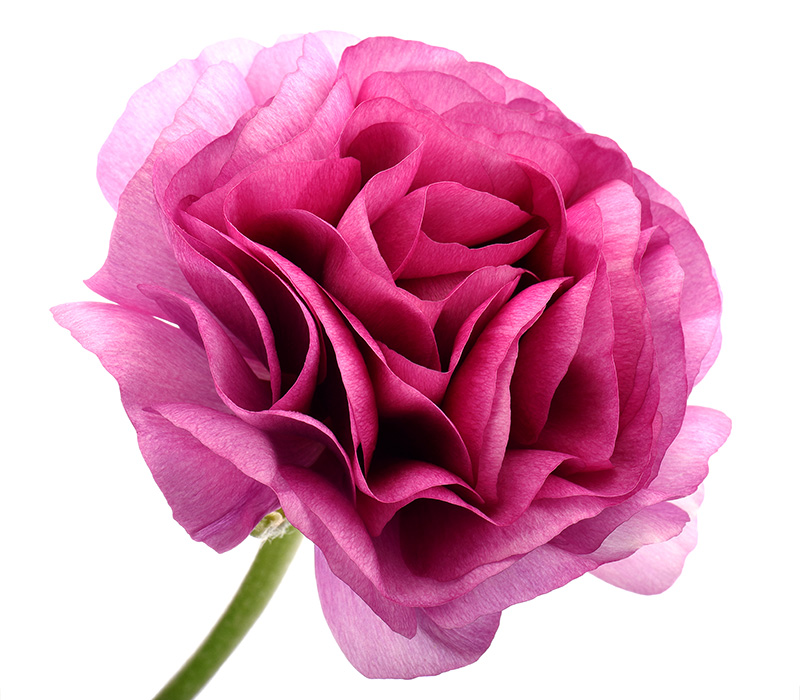
Ranunculus-5011

Tulips: Flamboyant and Fun

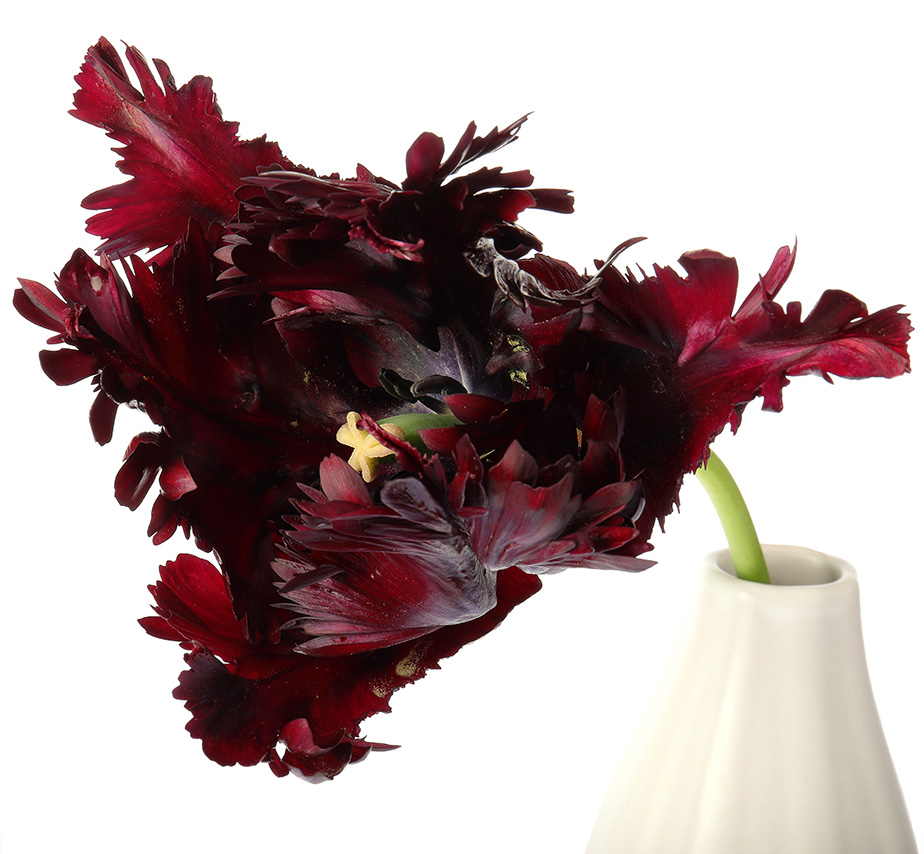
'Black Parrot' tulip

Tulips are flowers to make you smile. They come in all sorts of rich colours and extraordinary shapes, like the parrot tulip above. And they just call out to me to photograph them.

The tulip in the top photograph is ‘Black Parrot’, but, as you can see, it’s not really black at all. It’s more of a deep maroon shade – like a very dark wine.  Here, newly picked and under the powerful studio lights, the reddish tones stand out. But the colour looks more purplish in the less intense light of my kitchen, especially as the flower ages.

I’m looking forward to seeing how this tulip flower will develop as it opens out fully. New shapes will be created by the unfurling petals, giving the opportunity to take a variety of different photographs.

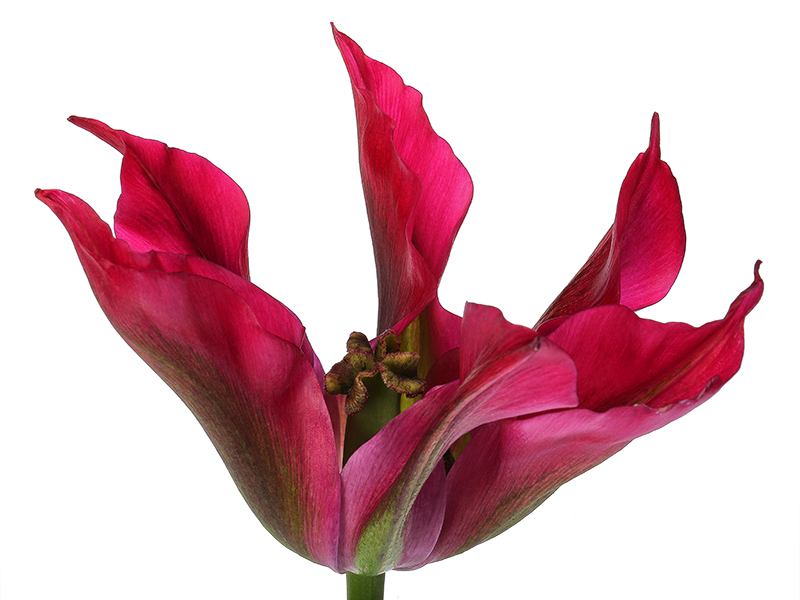
The tulip below is very different to the first one. It’s a viridiflora – named for the green markings on the petals. The vibrant colours and sheen of the petals make me think of  silk. The twisting shapes of the petals even suggest that the fabric is swaying in a breeze.

This year I’ve had several different tulips in the garden and they have done well in our warm spring weather. (There are more that are just starting to open.)

I haven’t grown many before, but now I feel encouraged to make a point of trying some new tulips every year. Then we’ll have the enjoyment of them in the borders and I’ll have plenty of lovely subjects to photograph.

Now I’m just waiting for the ‘Blue Parrot’ tulips to open – exciting!

Viridiflora tulip 'Doll's Minuet'
The petals of a viridiflora tulip look like a rich, silky fabric.

Blossom Time

Cherry blossom

Our lives may have been put on hold by Covid-19, but spring is speeding along as usual.

It seems that we wait for weeks in late winter for any sign of spring’s arrival. And then, when it gets here, it almost bowls us over with the energy and headlong change as everything in the garden rushes into growth and new life.

Spring feels wonderful but is hard to keep up with. So many jobs to do – plants, seeds, weeds – where to start? And with so many plants flowering at once, I always miss photographing some of them.

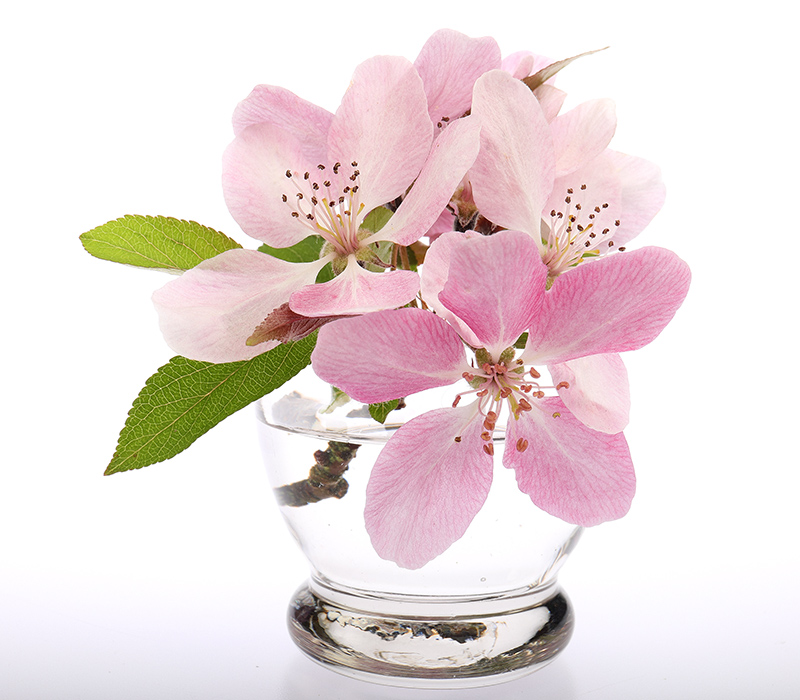
But the special flowers, like the cherry and crab apple blossom here, are worth making a special effort for. The wind had begun tearing at the delicate flowers, so I quickly cut a couple of sprays to photograph indoors. This makes it much easier to capture their details in close-up photographs, with no worries about them being blown around by the wind.

Being able to spend some time photographing these flowers was a special joy. It was a chance to appreciate their soft and transient beauty without other distractions intruding. And it was a bit of attention that the flowers thoroughly deserved. I hope you have time and the opportunity to enjoy some flowers this week.

Crab apple blossom
Delicate spring blossoms

A Flash of Colour: Pasqueflowers

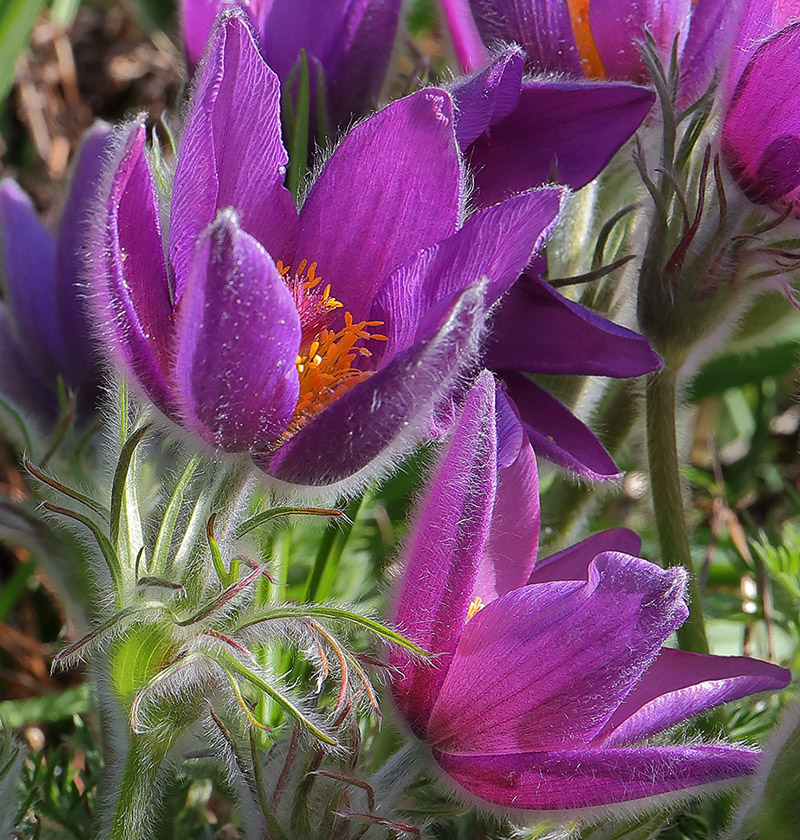
Pulsatilla vulgaris (purple pasque flower)

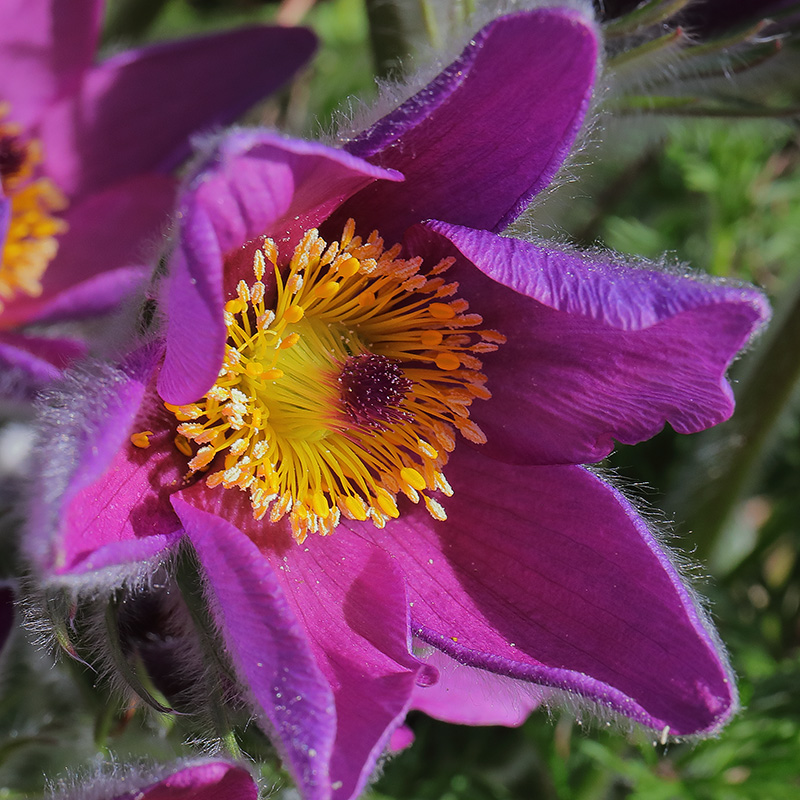
Over the past week or so, I’ve been enjoying the brilliantly-coloured flowers of Pulsatilla vulgaris (commonly known as pasqueflower) in my garden. Their rich violet-purple petals and golden stamens are a sight that has lifted my spirits.

You can see these flowers at their best on a sunny day, when they open fully, inviting bees to come and pollinate them. Soon there will be the fluffy white seed heads which glisten in the sun as their silky hairs catch the light. (You can see the seed head at the top of this post.)

Pulsatilla vulgaris (purple pasque flower)
I find the fluffy stems and leaves of the pasqueflower very appealing.

It feels like no time at all since the flowers started to appear but it won’t be long before they go over. This feeling is partly because I’m distracted by the spring work in the garden and sometimes get too engrossed in whatever is keeping me busy.

A nearby clump of white pasqueflowers has already finished flowering. (I removed the seed heads from this one as it’s still a young plant and I didn’t want it to put its energy into producing seeds yet.) The difference in timing intrigues me – why did the white one flower a couple of weeks earlier than the purple one? It can’t be a difference in conditions because they are only a foot apart and get the same amount of sun.

The spring flowers seem to rush into bloom very quickly and disappear quickly too. Maybe it’s the comparison with the slower changes of winter that makes this seem to be the case. It’s a good time to pause and have a good look around to see what’s in bloom and to take a few moments to appreciate the brilliance and exuberance of our spring flowers.

Pulsatilla vulgaris (purple pasque flower)
Spring flowers bring glorious colour to the garden.

Strange Days and Simple Things

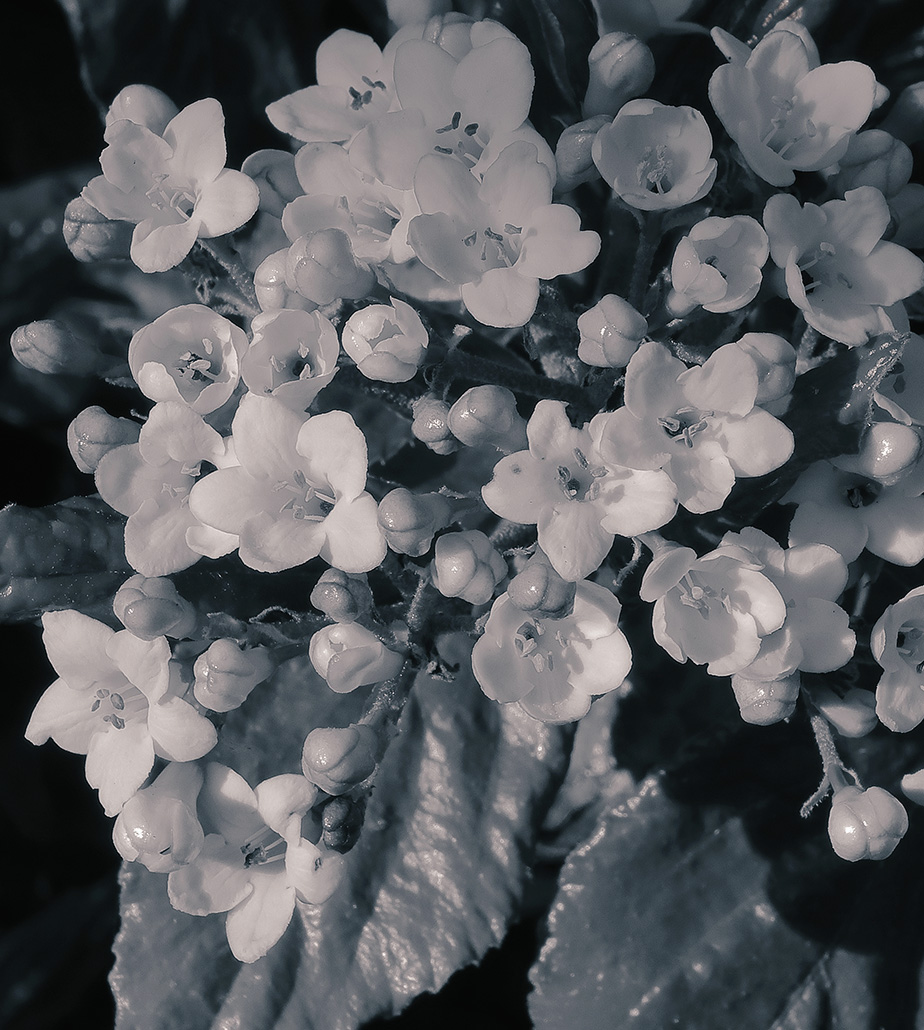
Viburnum flowers in black and white

While life seems to have been turned upside down and we’re all preoccupied with worries about the coronavirus, nature is quietly getting on with the business of spring. The warmer weather has brought leaves to the trees, opened colourful flowers and encouraged new growth everywhere.

It’s reassuring to get on with the small, familiar garden jobs that this time of year brings. Cutting back the stems of last year’s perennials feels both soothing and satisfying.

I have time to notice how long and curled the stems that carried the swirling butterflies of the gaura’s flowers became. Or that the shrubby sage (which has wonderfully bright magenta flowers in early summer) needs cutting back to prevent it from becoming lanky. As I trim back all these old stems, I find the new seedlings of the Canary Island geranium which have been sheltering under the old growth during the winter. Soon their large, dissected leaves will be impressively handsome.

Meanwhile, the daffodils have gone over and are being dead-headed. Now the tulips are flaunting their glorious colours as the low angle of the late sun glows through their petals.

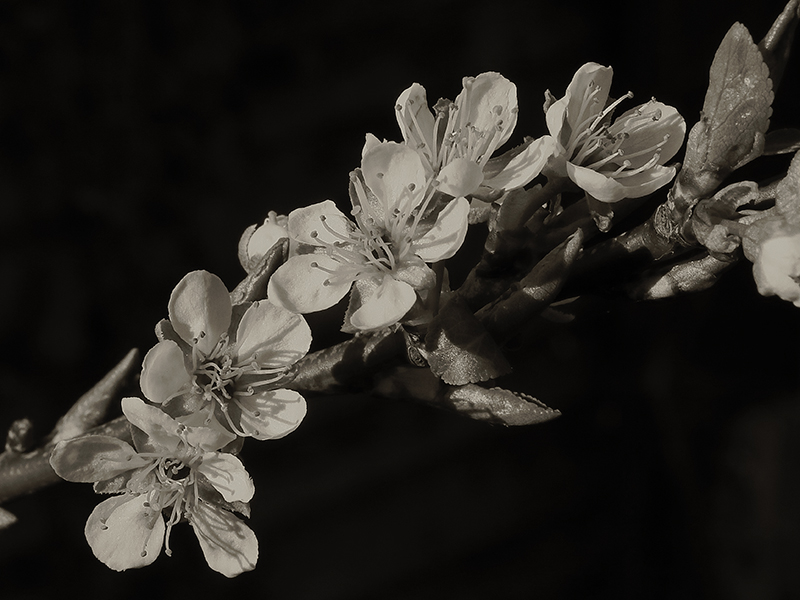
Not all of the flowers are as bold as the tulips though. There are the smaller, much more modest flowers of viburnum (top photo) and the plum tree that we planted last year (below). I’m particularly pleased to see the flowers on the plum tree – there’s lots – because last year it looked a bit sad and sorry during the drought. (Despite regular watering.) Maybe we’ll eventually get a few plums.

I’ve been entertaining myself by playing with black and white and a bit of digital toning with these photos. There’s plenty of time for a few experiments at the moment. I hope that you’re finding things to keep you happily occupied at this very strange time.

Plum Blossom-5017

Stay Home Spring: Virtual Garden Tours

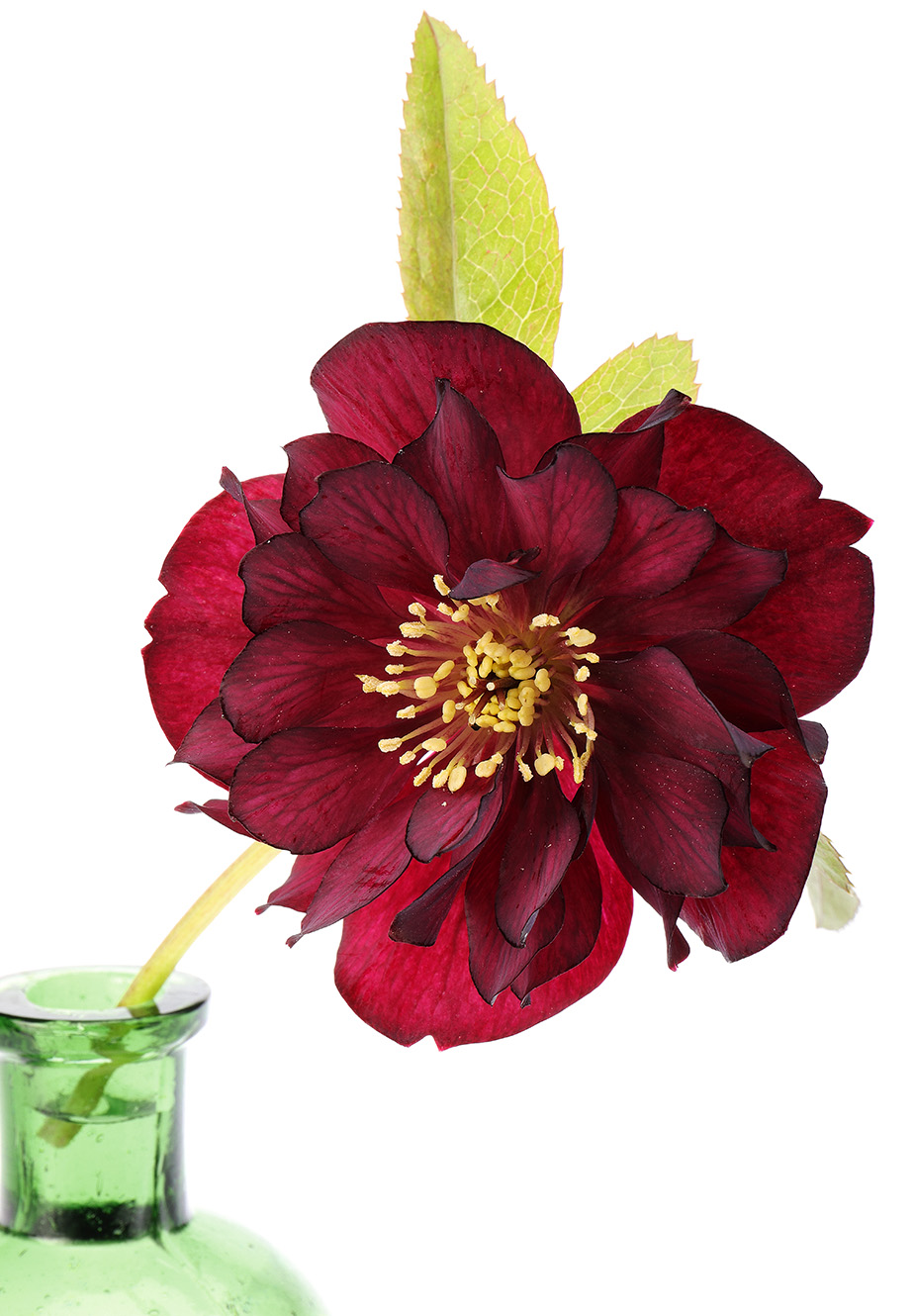
A dark red double hellebore.

Normally I try to have something different to photograph every week, so that there’s plenty of variety in the images for this blog. But I think that’s going to be a bit difficult for a while. When there isn’t much to photograph in the garden I may buy a new plant or go on a garden visit – neither of which is possible at the moment.

However, although I cannot leave home to go visiting gardens for now, I can at least enjoy them through videos on the web. It seems a good time for me to share a quick fantasy tour of several gardens. I hope they will provide a little ‘escape’ if you’re stuck indoors.

I’ve enjoyed visiting  Kew Gardens, but a day spent there can be quite tiring it you want to see absolutely everything. Their short video tour lets you see the highlights of the gardens the easy way! It includes my favourites – the Treetop Walkway (an amazing experience) and the gorgeous waterlilies in their own special glasshouse. You can find more videos from Kew at their YouTube page and I’d suggest the ‘Wakehurst in Bloom‘ video as a lovely glimpse of spring in one of their subsidiary gardens.

For many years I visited the Royal Botanic Gardens in Edinburgh on a very frequent basis. (I lived a little over 10 miles away.) So I’m pleased to be able to see spring there again and even visit their other regional gardens from the comfort of my own home.

From another botanical garden are the New York Botanical Garden’s videos. It was a treat to be able to see their fabulous orchid exhibition, which is too far away for me to be able to visit in ‘real life’. (Look out for the superbly elegant Darwin Star Orchid and the ‘predicted moth’.)

Most years I visit open garden events in the areas nearby. Sometimes the gardens are unusual or quirky and many surround interesting historic buildings. Of course, these have all been cancelled this year. I’ve been looking for videos instead and was happy to be able to explore gardens a bit further afield than usual when I found this video of gardens on the Isle of Man.  Watching the video felt just like many of the open garden days that I’ve been to.

Gardens that I would normally be planning to visit at this time of year include Beth Chatto’s beautiful garden, which I’ve written about in a past post. This is one of my favourite gardens to visit, so I’ll miss it, but the video does convey what a spring visit there feels like. (I preferred to watch it with the sound music turned off though!)

I hope that you enjoy a little look around these gardens while you’re staying home. Stay safe!

Oranges and Lemons: Daffodils

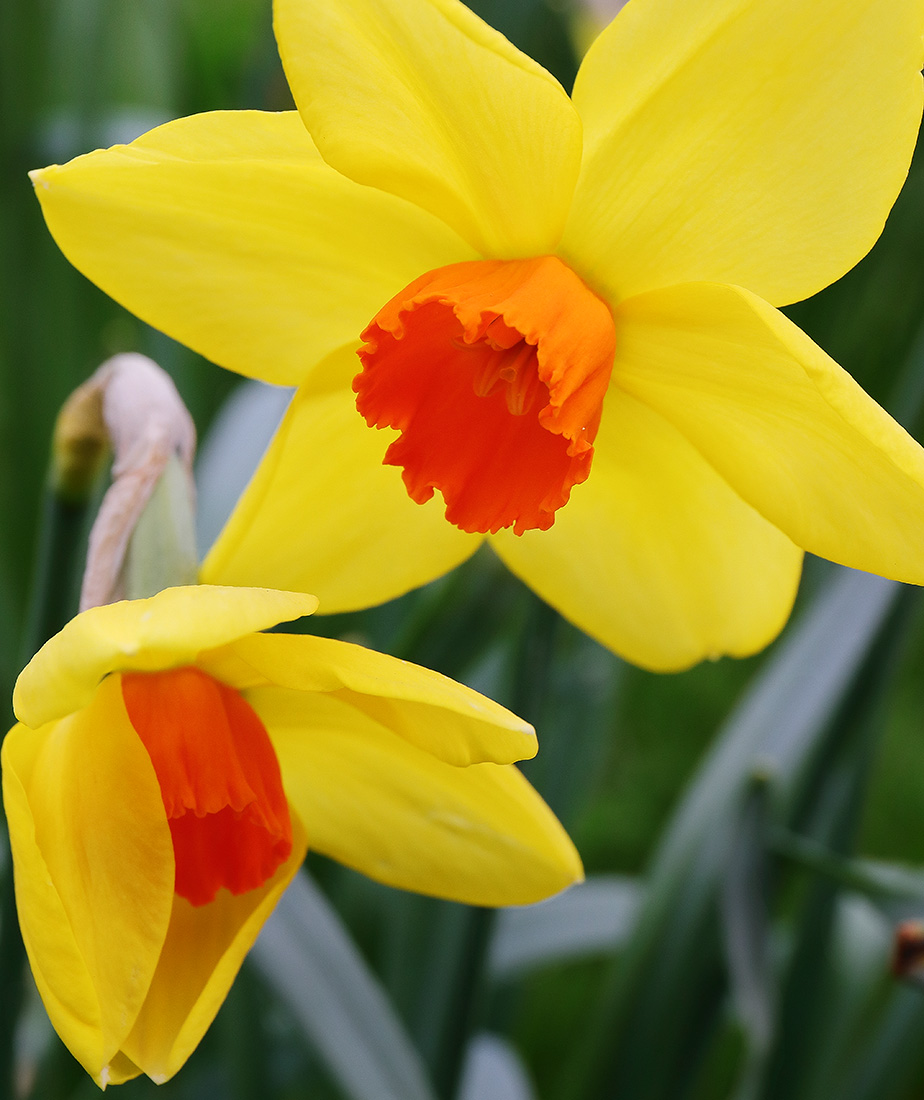
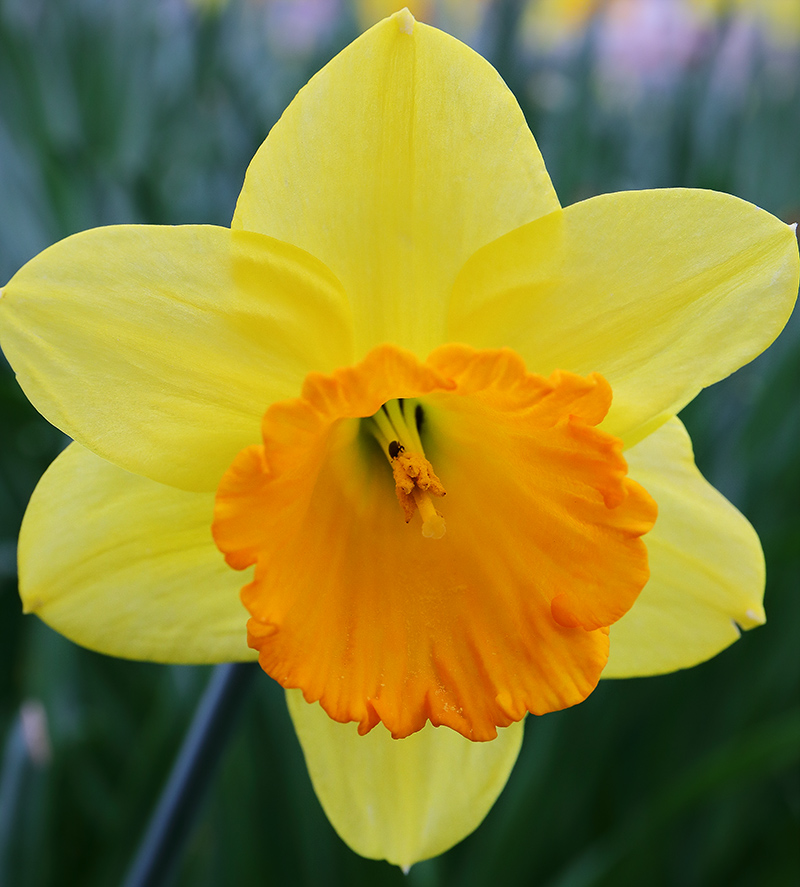
Yellow daffodils with orange cups.

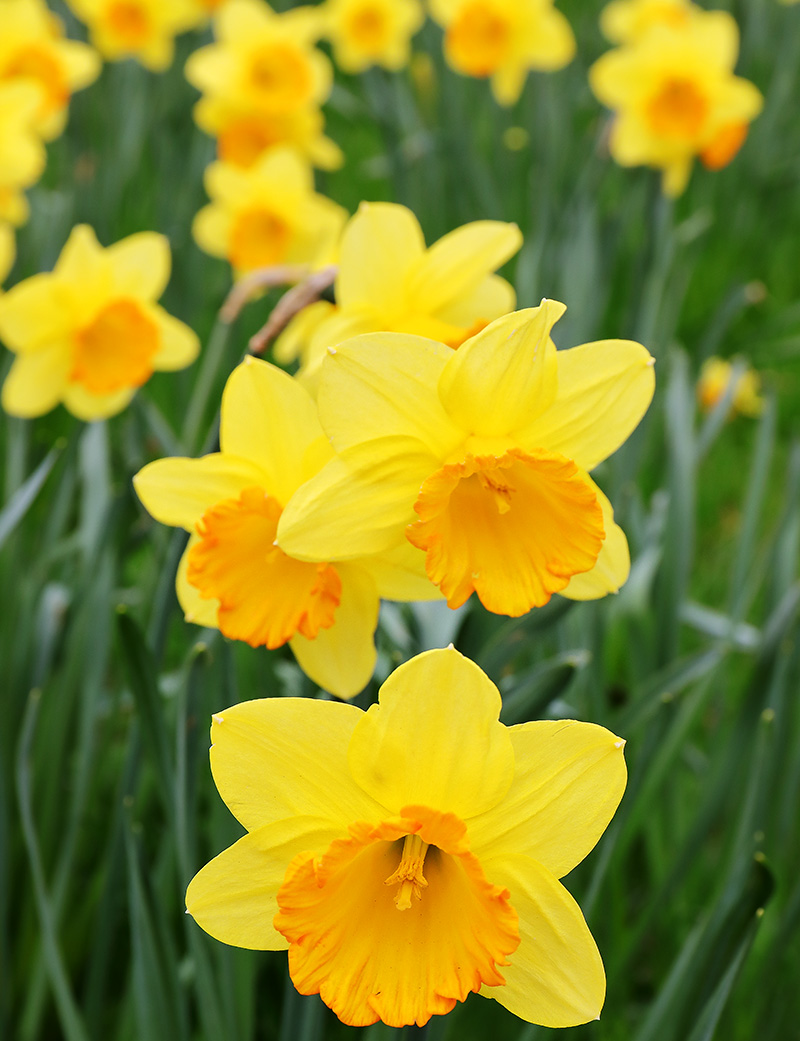
Rich oranges and lemon-yellows make these daffodils a brilliant and delightful welcome to spring. The flowers in these photographs are growing on a wide, grassy bank in front of the houses here and they’re a sight I look forward to every year. (And a lovely greeting to everyone who passes by on their way into the town.)

A mass of brightly-coloured daffodils.

This year I think we all need as much optimism and good cheer as we can find while our minds are full of worries about the coronavirus. I’ve certainly felt lucky over the past few days to be able to escape into the garden and enjoy the peace and calm of being surrounded by the plants I’m working with.

The emerging flowers, new spring growth, and the increasing warmth of the sun are a comfort and allow some respite from the serious side of life. A small thing, maybe, but anything that increases our well-being right now must be good.

The daffodils seem to be bringing their own little bit of sunshine and exuberance to help lift our spirits – right when we need it.

Close-up of a yellow and orange daffodil.

Winter Irises

It’s particularly vile outside at the moment. Right now we have high winds and sideways rain and there was even some short-lived snow earlier in the week. So it’s comforting to know that the early flowers have survived, despite the weather’s attempts to shred them.

I photographed these irises a few days ago, in a dry and sunny gap in the stormy weather. (The weather forecast is my friend! I keep an eye on it to know when I must dash outside and photograph flowers before they are ruined.)

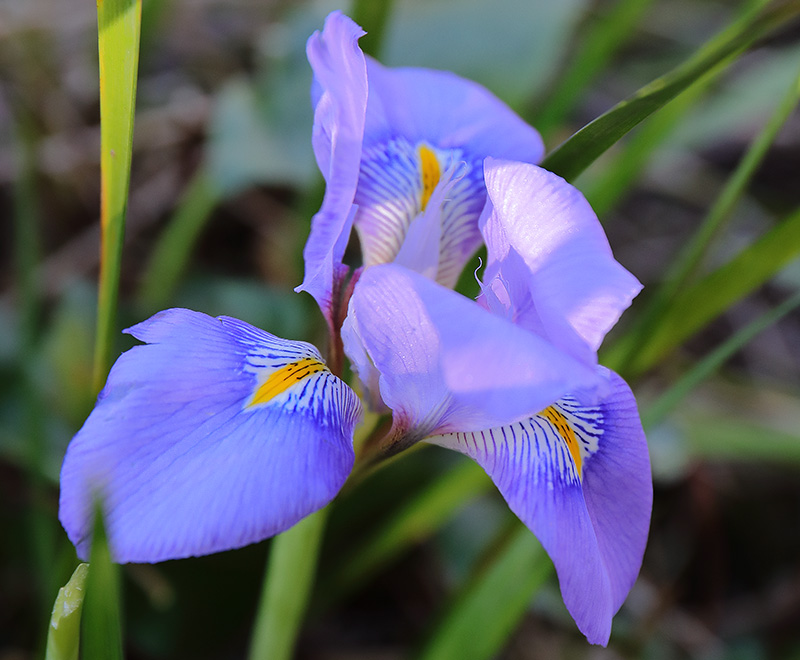
These fragile-looking flowers are iris unguicularis – had to check the spelling of that one – otherwise known as ‘Algerian winter iris’.

The plant was given to me by a generous neighbour and has slowly got itself established in a sunny border. It’s a plant that grows wild in Mediterranean countries and likes dry and sunny sites, so is well-suited to our hot and thirsty garden. (But the present heavy rain is unlikely to please it.)

There have been a good number of flowers this year, with a couple of buds still waiting to open. That is a good improvement over the previous years, when there were only three or four flowers and I thought the plant wasn’t too happy where it was. I’ve read that this iris flowers better as the clump gets older and more congested, so I’m looking forward to good displays in years to come…and a good reason to be outside on a wintry day with my camera.

Iris unguicularis 4766
Iris unguicularis aka Algerian winter iris

Spring Comes Closer : Irises and Crocuses

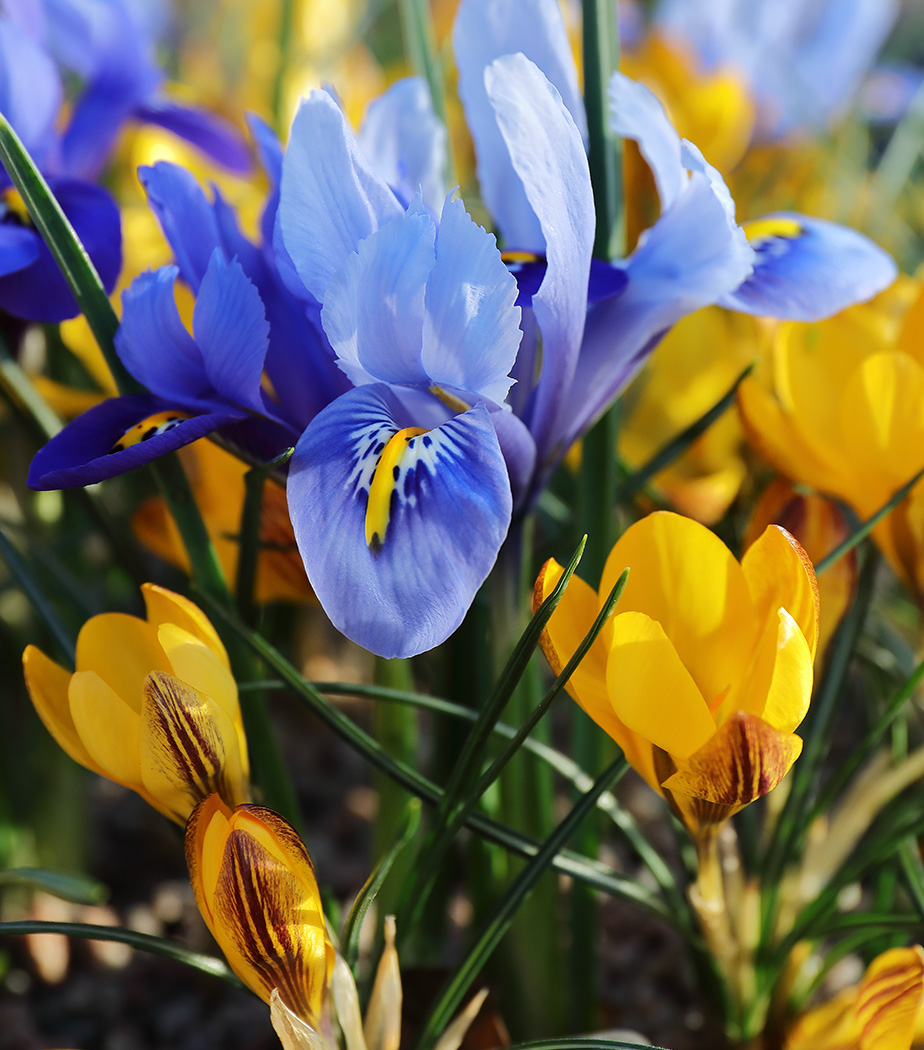
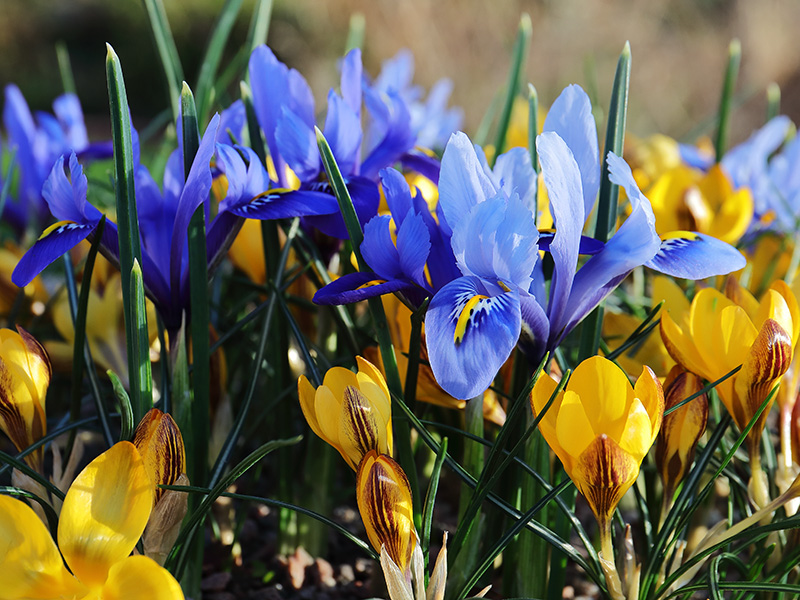
Blue irises and yellow crocuses

It’s been a very blowy, wet, and sometimes stormy couple of weeks here. Everything outside has had quite a thrashing from the wind, so I’m grateful that the early flowers have somehow managed to survive.

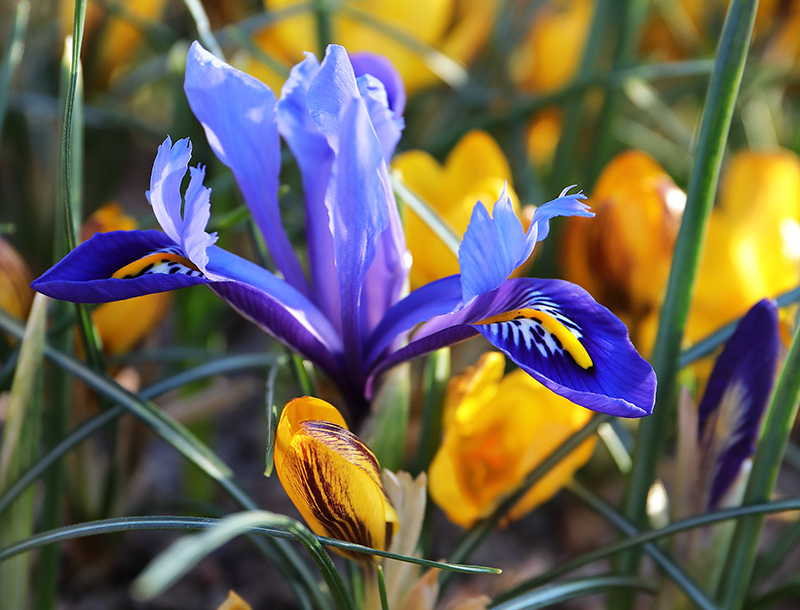
Last autumn I planted a shallow pot with the yellow crocus ‘fuscotinctus’ and dwarf reticulata irises ‘Cantab’ (the paler blue) and ‘Harmony’. Their pot sits at the front door and gets a lot of sunshine and a little bit of shelter from the wind. It has been a delight to see the colour gradually appearing as these flowers opened.

Despite that bit of shelter, it was a challenge to take photographs without too much blur as the upper petals of the irises fluttered in the wind. Sometimes flower photography means that you just have to hope to be able to snatch a shot right when there’s a slight drop in the breeze!

Iris and Crocus 4738

Every year I’ve said to myself that I must try to photograph all the flowers in the garden, starting with the early bulbs…and not managed it. Something would always get in the way – maybe something garden related, like sowing seeds and clearing weeds from borders, or a family responsibility that needed my time.

This blog has changed that and given some structure to my photography. It has created the need for me to take photographs every week and has put both my garden and my photography at the top of my ‘to do’ list (right along with writing my weekly blog post).

Now I can pay more attention to the gradual arrival of spring here and the changes it brings to the garden. That makes me very happy and full of anticipation of the gardening year ahead. It’s a bit of a luxury really, but these days my time is more my own and  I can spend it being the real me – obsessed gardener and photographer! (Happy days!)

Irises and Crocuses 4744