Wanderlust Strikes!

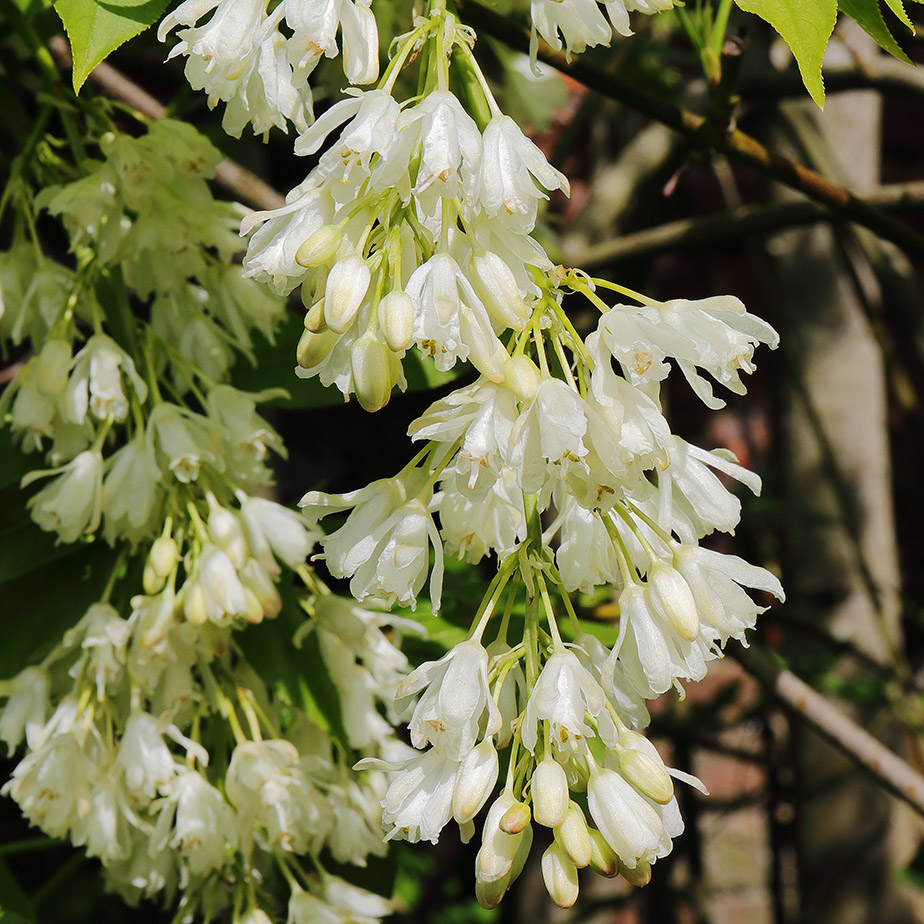
Flowers of Staphylea (bladdernut)

As spring gets a bit warmer, it feels as if it would be good to visit gardens and nurseries again. It’s a long time since I’ve been in anyone else’s garden and I’d really like to see something different to my own now. (The gardener’s version of cabin fever?)

Visiting gardens is one of my favourite ways to have a day out. I love to see how other people have created their gardens – often very different to whatever I might have come up with. It’s inspiring to see the imaginative ideas and beautiful planting that you can find in the best gardens. You can take ideas home to your own patch and you can discover plants that you may not see elsewhere.

If I see an unfamiliar plant that I like, I try to ask its name. But if there’s no-one to ask, it’s handy to have a camera or phone to take a quick photo. Afterwards I can spend hours with Google, just trying to find out what it may be.

The white-flowered shrub in the top picture really grabbed my attention. I was impressed by the generous numbers of delicately pretty flowers, but had no idea what it was. Eventually I found pictures of Staphylea (bladdernut) flowers. (Hooray for the interwebs!) So I think it’s Staphylea, possibly colchica, but hard to tell from a small photo. (I’m pretty sure that some of you will be familiar with bladdernuts, so if you know, please tell…I could be tempted to try to find one for my garden.)
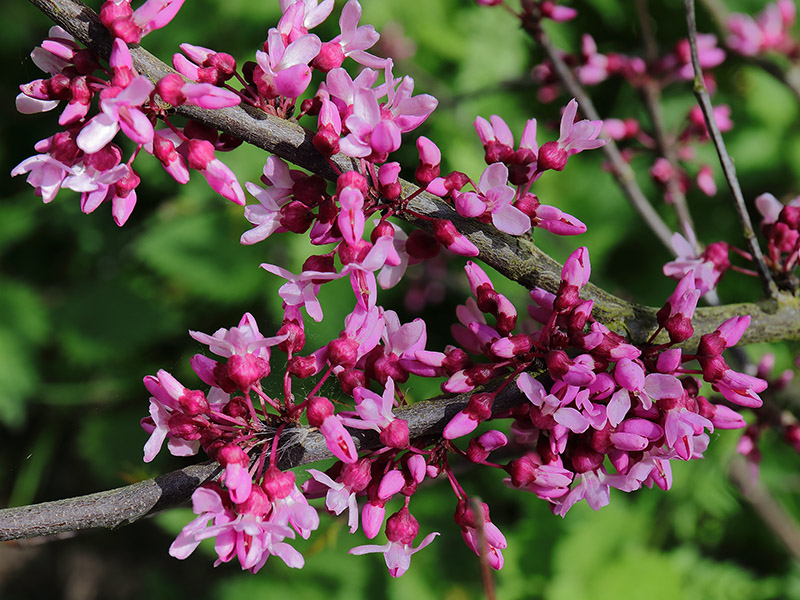
Redbud tree flowers

The redbud (Cercis siliquastrum or Judas tree) above was a bit more familiar to me because I have seen a few of them since moving to England. (Scotland has a narrower range of garden plants, partly because of the cooler climate. So there have been lots of new plants for me to learn about here. Fun!) The first time I saw this in flower was the beautiful specimen in Beth Chatto’s garden in Essex. It is wonderful in spring – as is the whole garden.

The shrub below had me puzzled for a long time. It looked exotic for our climate and I think it was probably getting a lot of shelter from the old brick wall behind it. My blogger friend Liz at ‘Exploring Colour’ posted a photograph of the flowers of a Kowhai (Sophora sp.) growing in New Zealand here: https://exploringcolour.wordpress.com/2020/10/28/shining-bright/ Thanks for the answer Liz!

These photographs were all taken on a visit to Marks Hall Arboretum in Essex in April 2019. What a long time ago that seems! I had a very happy afternoon wandering around in their huge collection of trees and shrubs, seeing lots of plants that were new to me. (They reckon they have the largest collection of Wollemi pine in Europe.)

It will be great to have this sort of day out again. And to be able to visit the small nurseries around us too. (Garden centres have been allowed to stay open but the nurseries, which I prefer, are closed until April 12th.) When they open, I’m sure I’ll enjoy seeing new and unfamiliar plants there too – and, no doubt, buy a few!
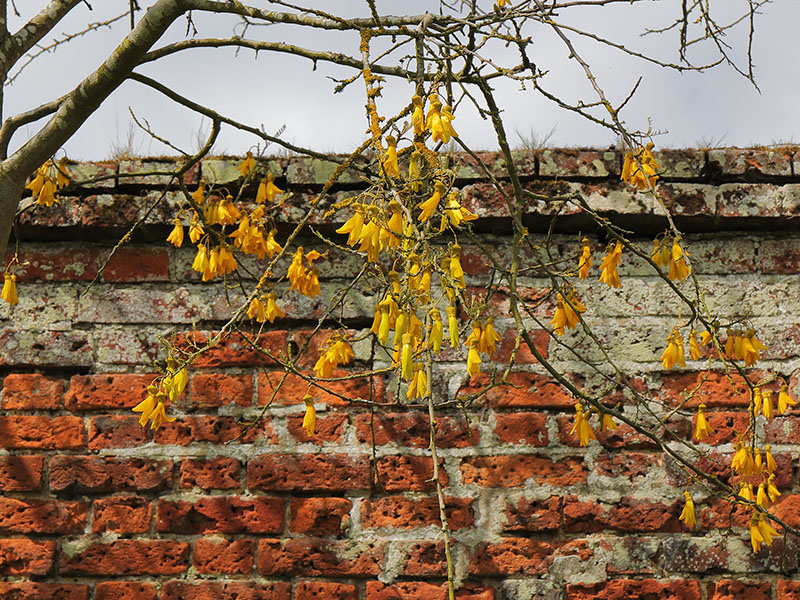
Kowhai (Sophora) flowers

Signs of Hope!

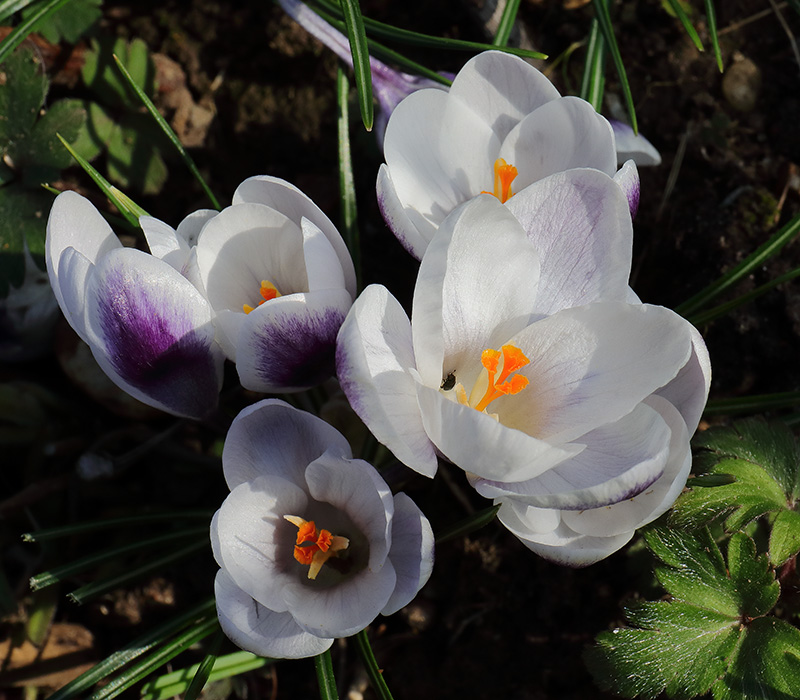
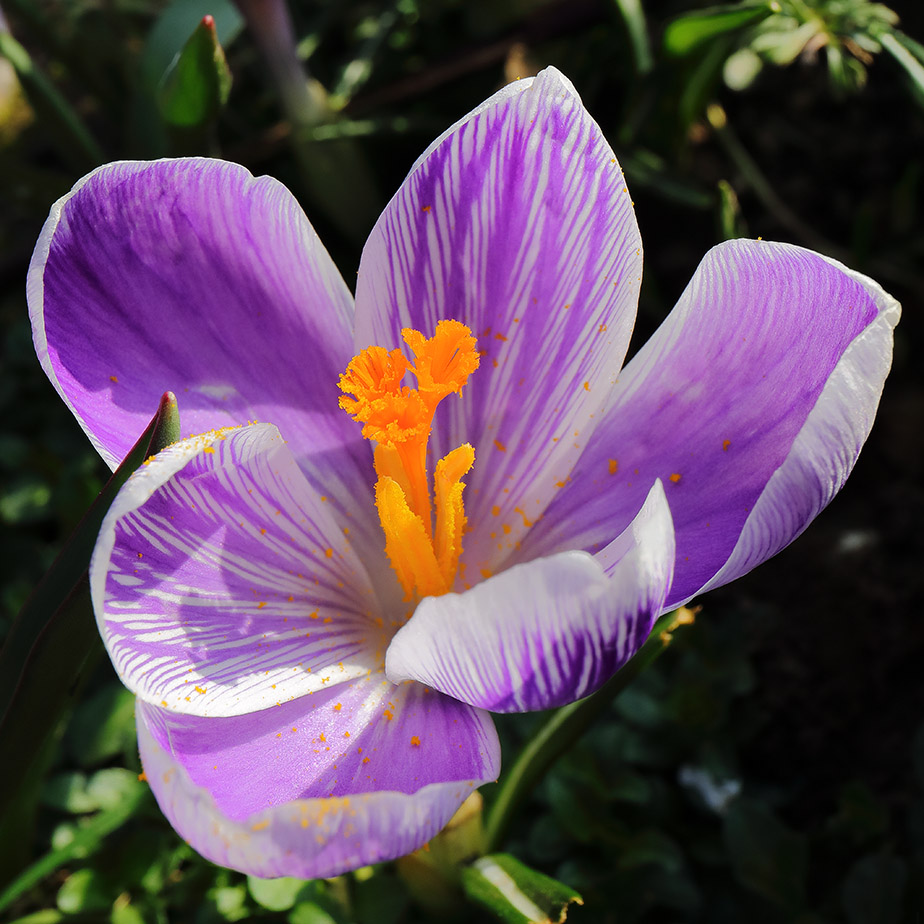
Crocus Pickwick in flower.

Crocuses are, for me, the first signs that spring is on the way. Hellebores don’t give me the same feeling because they start flowering when it’s still winter. But crocuses, with their fresh and radiant colours, show us that the garden has begun to fill with new life.

Before long, there will be other flowers to continue what the crocuses have started. But for now these are the flowers that bring gardeners (and the first bees) joy.

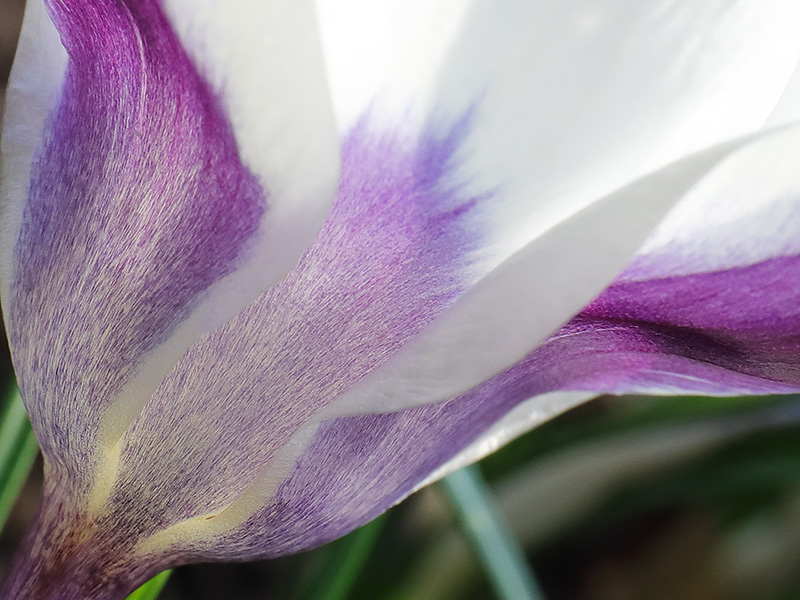
Flowers of Crocus 'Prins Claus'

When I lived near Edinburgh, I enjoyed the sight of mass plantings of crocuses in some of its parks. These gleaming sparks of colour, sprinkled over lush grass, were a cheerful sight and a reassurance that the cold of winter would end. Seeing the brilliant flowers fully open in the sunshine was a reminder that summer would come and days would be warm and bright.

This year I think we need the promise of better days more than we ever did. I’m looking forward to being able to spend more time outside, especially now I am aware of how much we benefit from being in contact with nature. Soon we will be able to enjoy the natural world again, as spring gives us the chance to get out into our gardens and back to the countryside.

Crocus Prins Claus

Still Waiting for Spring

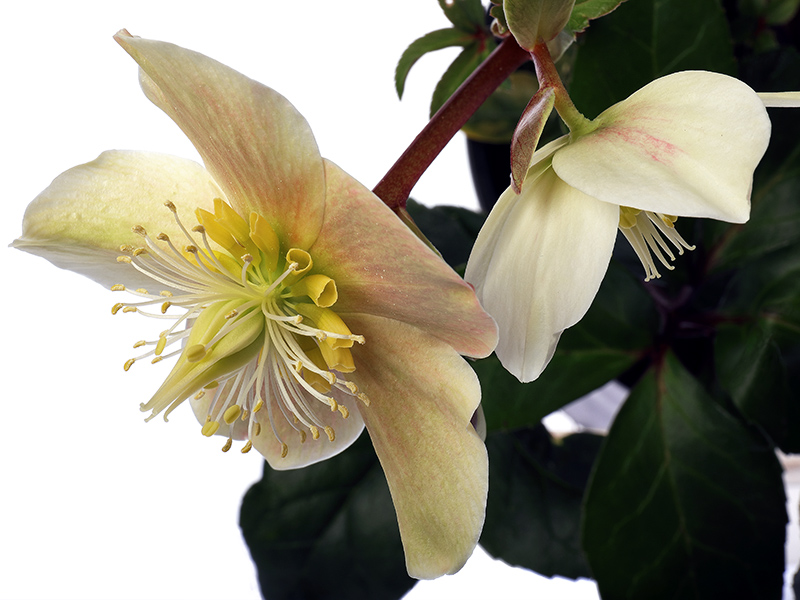
hellebore flower

It’s still not quite spring here. Actually, it’s quite confusing. We had a few days when it did get warm and sunny and working in the garden was a pleasure. But then the cold came back, along with heavy grey clouds.

Luckily, I hadn’t started removing the dead leaves and remains of the old growth from the perennials etc. There are still lots of ladybirds and other little critters tucked up for the winter in amongst it all. I don’t want to eject anything from its comfy little bed yet – they’ll want to snooze a bit longer until it gets warmer. Tidying up in the garden can wait a while.

I did make a start on removing some of the Japanese anemones that are doing their best to take over large areas of the garden. It was necessary to get a move on with this because a friend had given me two big plants of Salvia ‘Amistad’ and I needed to find space for them. (It’s a very sunny spot, with a bit of shelter, so they should be happy there.) However, it took me so long to get rid of all the anemone roots that I decided to plant the second sage into a big pot. Otherwise I would probably have run out of time to get the second patch of ground cleared.

Although the big swathes of anemones are a problem, I may well plant other flowers in big drifts. This is because it’s supposed to make it easier for the bees to find them. So no more dotting a plant here and another there! (I do try to plant in groups if I can. It does look much better. But that can get expensive if you’re buying them at a garden centre.)

I’m glad to see that the bumblebees have been making use of the flowers that are out now – mostly crocuses and the remaining winter jasmine flowers. They are probably visiting our hellebores too, but the downturned flowers make it hard to spot any visiting bees. I reckon that growing plants for bees makes an excellent excuse for buying more hellebores! (Well, any good bee plants really!)

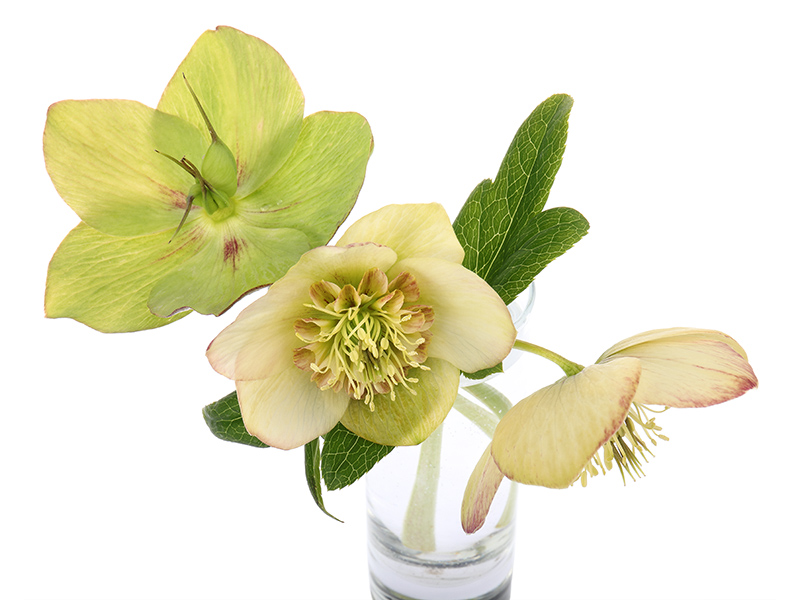
The hellebore here is a plant that I photographed in the garden last year. Bringing a few of the flowers inside made it much easier to photograph than trying to get low enough down to see the flowers outside. This is just its second year of flowering, so I’m hoping for lots more flowers as it gets bigger. (I don’t like to take many flowers from a plant that’s still small because I really prefer to see them still out in the garden. But you don’t miss the odd flower if there’s plenty of them.)

If you’re waiting for spring too, I hope there’s lots of exciting new growth popping up around you. And I wish you flowers – lots of flowers!

A Rose for Valentine’s Day

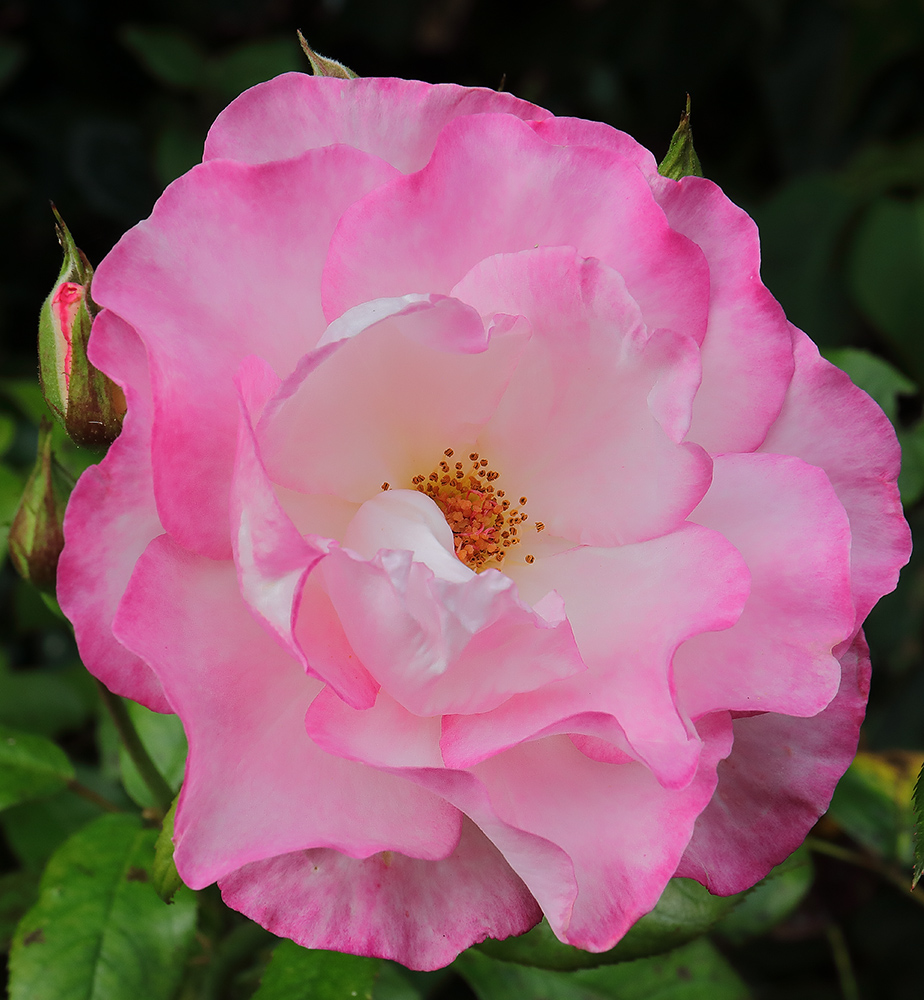
Climbing rose 'Handel'

Actually, this really isn’t a Valentine rose – it would need to be red. But I don’t have any red roses in the garden, so this is the best I can offer. (It’s the climbing rose ‘Handel’.)

According to Google and several florists’ websites, a pale pink rose means, among other things, ‘happiness’ or ‘joy’. So maybe it’s a bit more suitable as an offering to my blog readers than a red one would be!

I don’t know why it’s the red rose that means love. Perhaps it’s because it’s the colour of blood, so associated with the heart and passion. At any rate, it does go back a long way, even to the myths of the ancient Greeks. Aphrodite, their goddess of love, was scratched by a thorn on a white rose bush as she was rushing to be with her dying lover, Adonis. Her blood turned the rose red and ever afterwards, red roses were the symbol of love.

It feels like it will be a long time before there are any roses at all here. It’s snowy outside at the moment, and I am dreaming of being able to visit gardens where the scent of roses is carried on warm summer air. And I’ll be very happy to see them, whatever colour they may be!

Winter Delight: Hellebores

Hellebore flowers

Hellebores are starting to flower in the garden here. Some are still just small buds, but this one has been in flower for a few weeks. This is one of the Helleborus Gold Collection, HGC ‘Shooting Star’.

I particularly like this hellebore for the way that its flowers are held more upright than most hellebores. It makes it so much easier to see the flowers – and to photograph them too.

(My other hellebores are difficult to see properly in the garden. You really have to take the time to turn the flower head upwards if you want to look at the detail. But that has the advantage of making you get close to the flower and actually touch it, rather than just passing it by. So they’re all good!)

For the moment, this plant is in a pot, which has made it easy to take it indoors to photograph it. But it would probably be happier in a border where it has a bit more space. Later I will plant it out – when I find it a slightly shady spot where it won’t get too hot in summer.

As a winter and early spring flowering plant, hellebores are a great treat in the garden. They start flowering when much of the rest of the planting is either dead foliage or shoots that are not yet ready to emerge. And their beautiful flowers have an exotic look – much bigger and more showy than the other winter flowers. If I get the chance to go shopping in a garden centre while they’re still available, I know I’m going to be very tempted to buy more.

hellebore flowers

The Ordinary Made Special: Frost

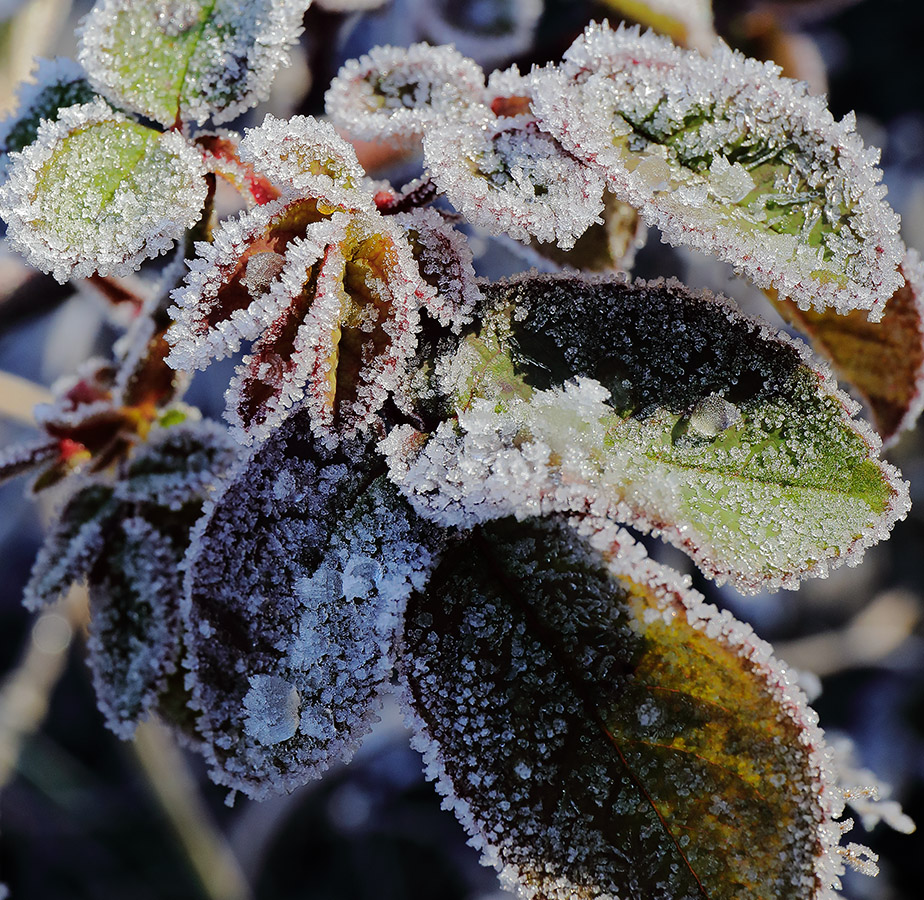
frosted rose leaves

It’s the end of January and I hope that these are the last frost photographs I’ll share for a while. Although this winter hasn’t been very cold, I just can’t wait for it to end. I’m ready to see new growth and to welcome the first flowers of spring.

Despite my impatience for the cold weather to be over, I’m grateful for a bit of frost. Without it, there would be very little to photograph here in winter. There would be much less to tempt me outside for a wander around the garden too.

With frost, the garden is transformed from being a soft and soggy mess of dying vegetation into somewhere crisp and rigid. It feels utterly changed, alien even. Plant remains that would normally go unnoticed stand out as the frost makes them into something new.

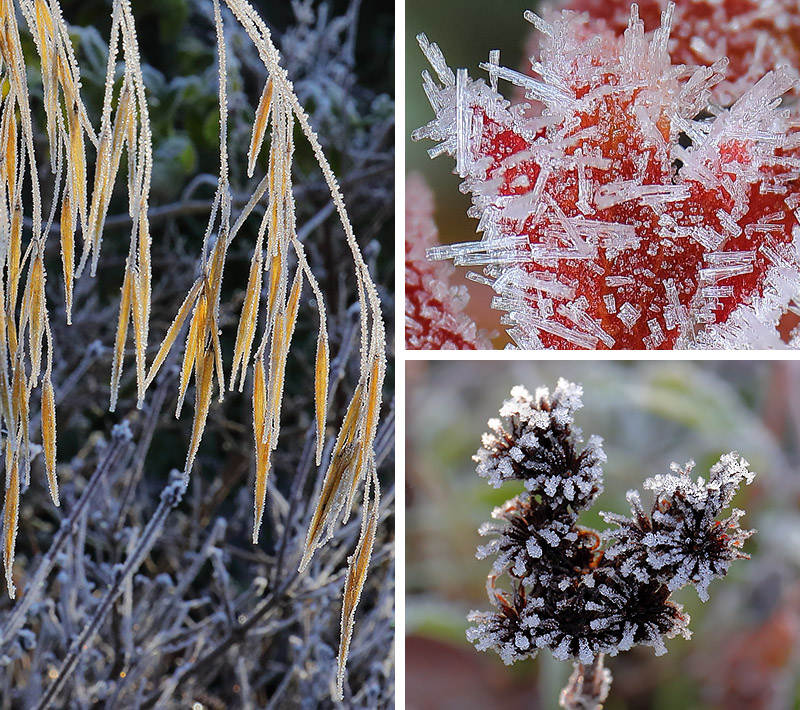
frosted plants

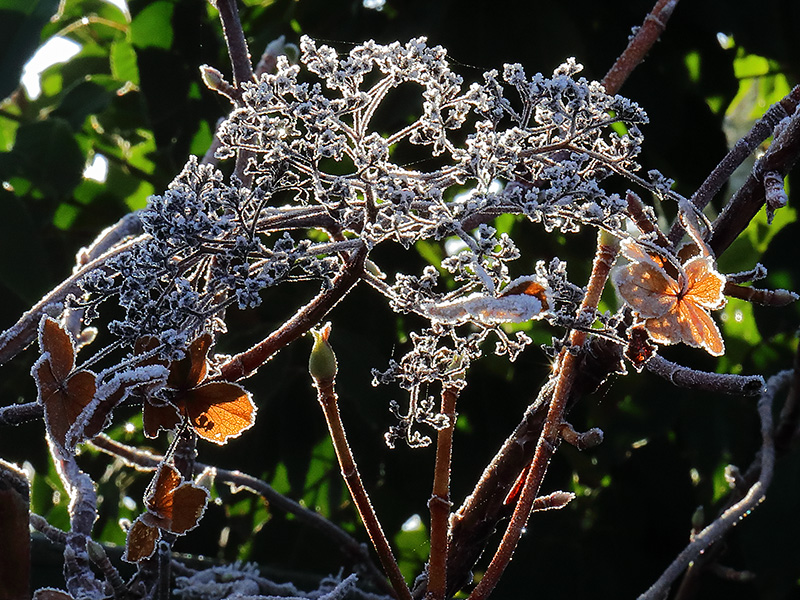
The smallest of things can suddenly be full of photographic possibilities. Tiny seed-heads, old leaves, the dried stems of decorative grasses – these can become features that demand attention. The frost emphasises the delicate nature of these small things. It can make a plant look like a piece of fragile lace or as if it has been dipped in sugar. And if the sun is shining, the garden can come alive with the sparkle of all those millions of tiny crystals.

So I won’t be ungrateful for the beauty that winter can produce. I’ll try to be patient while I wait for spring to arrive. But I can’t help being excited to see the signs that the spring isn’t far away. Now there are green daffodil buds starting to appear and the first of my hellebores has come into flower. And I’m off out into the garden to photograph them…

frosted hydrangea

Frosted Seed-Heads

Frosted hibiscus seed-pod

After last week’s snow-capped anemone seed-head, today we have seed-heads that are covered in frost. In the middle of winter I’m really glad to find anything to photograph in the garden, so I’m grateful that these are here.

On a frosty morning, these seed-heads create a focal point and some interesting textures in the garden. They become like miniature natural sculptures when their details are picked out by frost crystals. I find that seeing the patterns of frost encourages me to look more closely at the plant’s own structure. That allows me to see possible photographs where I may not have noticed them before.

frosted honesty seed pods
The remains of honesty seed-pods sparkle in the sunshine.

Mind you, sometimes there’s very little left of the seed-heads, as you can see with the honesty above. These are pretty-well wrecked by now but, given a bit of sunshine to make the frost sparkle, still manage to look interesting. Of course, on a dull but mild day, with no frost or sunshine, they don’t look at all pretty at this stage. So it’s amazing what the right weather can do.

Amongst the best of the seed-heads for frost photography are the umbellifers. There are usually quite a lot of self-sown bronze fennel seedlings around the garden and these really sparkle on a frosty morning. I never cut these down until spring, because the seeds can provide food for hungry birds. (As well as starting lots more plants.) The delicate decorations that they become is a delightful winter bonus.

frosted fennel seed head
Fennel seeds look at their best with a thick coating of frost.

Snow Day

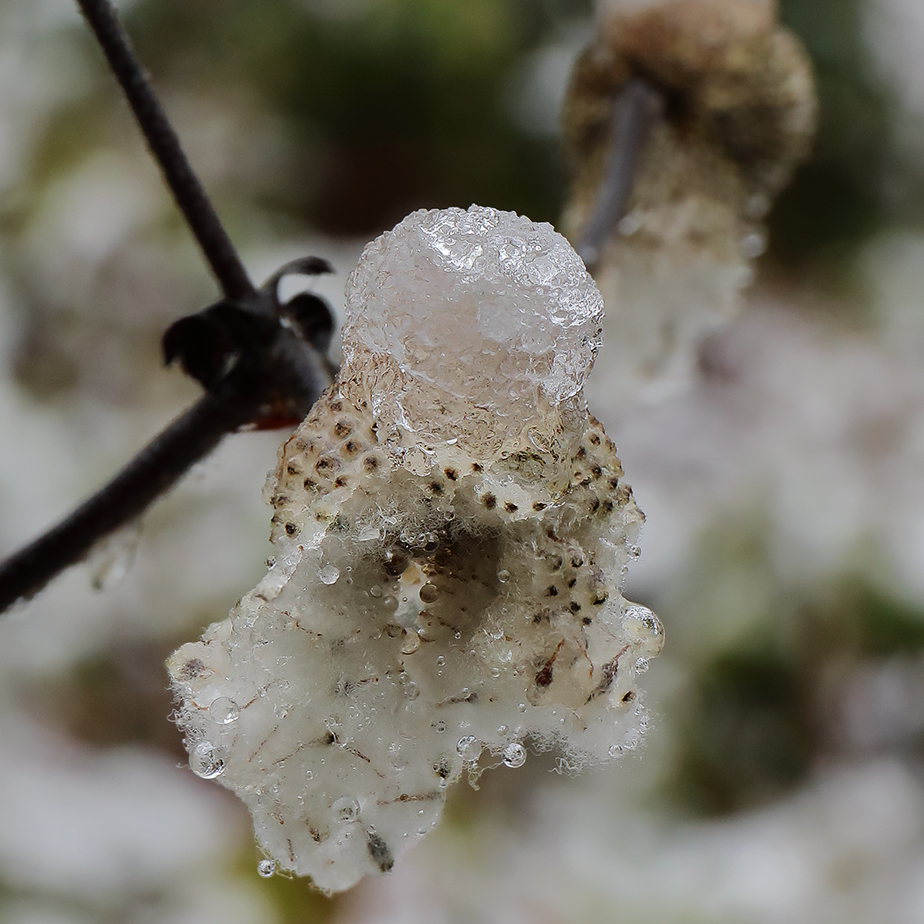
Snow on anemone seed head

We were greeted by snow this morning, but by the time you read this it will be gone. It won’t last for even the full day because it has now started to rain.

But it has given me an excuse to post an image with just a little bit of wet snow. This is a seed-head of a Japanese anemone. I was attracted to photographing it by the cap of melting snow that it’s wearing, and by the way the drops of meltwater are clinging to the fluffy hairs of the seeds.

It’s interesting to see how these seed-heads start as perfect tiny spheres and then erupt into little woolly clusters of seeds that can float away in the wind. I allow them to stay in the garden over the winter. A few years ago, tidy-minded gardeners would insist that the old stems and seed-heads ought to be cut back and taken away at the end of the year. Times have changed, and now we’re encouraged to leave them standing as a habitat and food for wildlife.

With luck, goldfinches will come and help themselves to these seeds. (I’ve already noticed them eating the seeds of verbena bonariensis in the last week.) And if the heads survive until springtime, the remainders will probably be gathered up when the goldfinches are building their nests. I often see these birds with their beaks full of the fluffy seeds and think that they must be creating the cosiest and most comfortable homes for their babies. So I won’t be cutting back any of these seed heads. The birds are very welcome to them.

Winter Flowers

winter-flowering clematis

There’s still a little colour here in winter – just a few brave plants that choose to flower when it’s cold and grey. They brighten up the days and offer something to any bees that are awake and foraging.

It’s a pleasure to be able to wander into the garden to see the latest buds to have opened. Whatever helps to encourage me to go outside at this time of year has to be a good thing. Being rewarded by beauty and colour makes it easier to get started on some gardening.

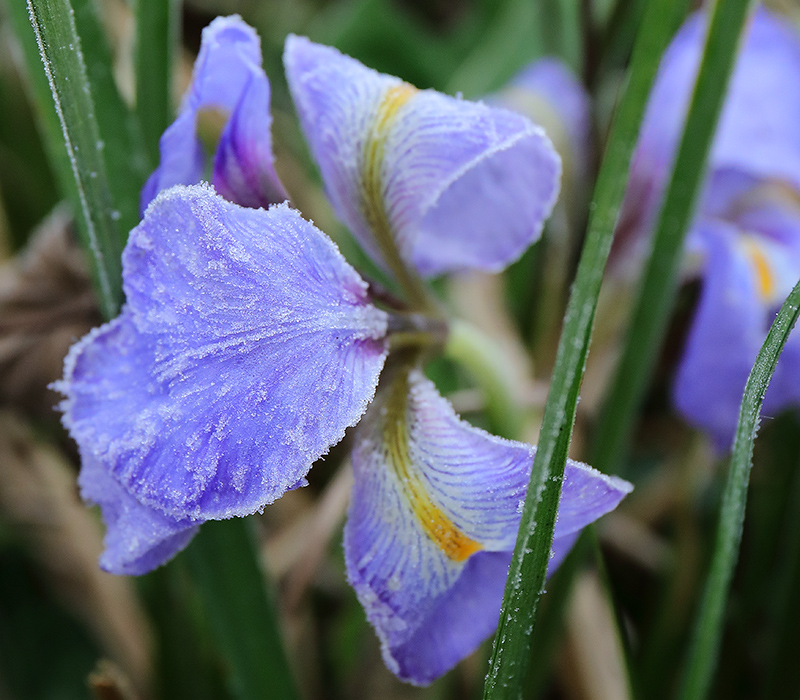
winter-flowering iris

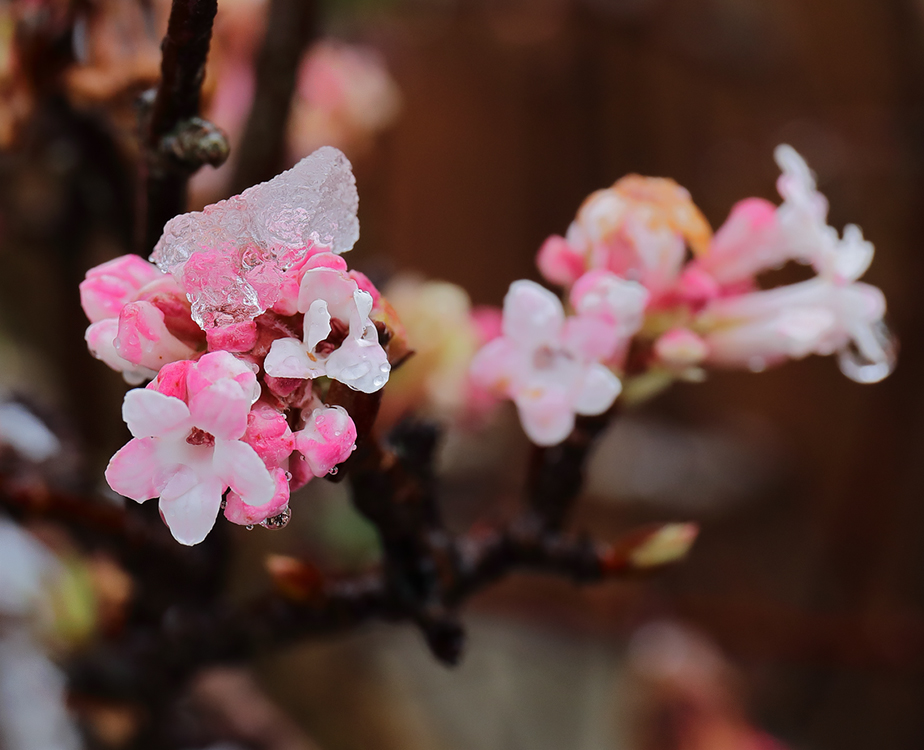
As I enter the garden I’m pleased to see that a winter-flowering clematis is festooned with small bell-shaped blooms that have a deep red interior. To see the colour of these, you really need it to be growing above your head, so I have planted it to climb into a tall shrub (Viburnum bodnantense ‘Dawn’, shown last week). The clematis was planted only last year, so isn’t very big yet. But I’m happy just to see it alive and growing, because it was in a position that meant it could easily have been destroyed when the fence was replaced earlier in the year.

Further along the same border is the winter jasmine. The work of replacing the fence meant that this had to be cut back a lot, but it will recover in time. (It was a terrible straggly mess, all tangled up with a rampant honeysuckle that had started to look very unhealthy.) I had to give several shrubs and climbers a rather drastic pruning so that the fence could be got at. This has made me realise that I need to be more practical in the way that I plant the garden.

Melted frost on winter jasmine flowers.

Not far from the winter jasmine is an area planted with shrubs and a few garden thugs (mainly Japanese anemones and a very vigorous geranium). Hiding amongst these is the pretty lavender-blue Algerian iris. (Iris unguicularis – I can’t spell it without checking the RHS site.) This needs to be moved to somewhere where it can be more easily seen and photographed…my knees and back will be grateful for that! The flowers are delicate and easily damaged by the weather but they are soon replaced by more, so certainly earn their place in the garden.

As I continue towards the back of the garden, my attention is drawn to the mahonia with its great sprays of bright yellow flowers. This shrub is an extremely prickly monster and must be approached with great caution when working around it. It often stabs at me in a very ungrateful manner while I am trying to weed around its base. But I forgive it because it can look spectacular and its big spiky leaves give it a very bold, ‘architectural’ appearance all year round.

I had intended to add some new winter-flowering plants this year, but obviously that hasn’t been possible. (I suspect that many gardeners may be tempted to have quite a spending-spree when we can shop freely for plants again!) For the moment I am content to enjoy what’s already here. This is a quiet time in the garden and staying at home means I have plenty of time to plan future plantings. I hope that means I’ll be all organised for spring and summer…haha! (That would be a first!)

Mahonia x media ‘Charity’

Waiting for Snow

Viburnum bodnantense 'Dawn'

January is the month that we really get into winter here. December can be mild and wet and not feel especially cold. Then, as the New Year arrives, the temperature tends to drop.

In December we did get a little bit of wet snow which disappeared within a couple of hours of falling. It didn’t stay around and look pretty for long, but it gave me the chance to take a few wintery photographs.

There’s something about the way snow half-hides things that makes having a rather chilly wander around the garden more interesting. It calls attention to details you might have just walked past the day before. Or makes you see things just a little differently. Those few remaining apples on their little tree fairly glow in the dull light when contrasted with the paleness of the snow. And fallen seed heads become semi-translucent as the melting snow soaks into them.

Melting snow on Braeburn apples

It’s quite possible that we may get no snow at all during January – or even during the rest of the winter. Winters without snow are not rare in the east of England. But I can’t imagine what my childhood in the north of Scotland would have been like without the heavy winter snowfalls.

Those winters were certainly colder and the snow would pile thickly everywhere until the landscape was just a soft white blur. Roads soon became blocked – I remember how often we helped to push cars out of snowdrifts on the narrow country road by our house. And the sound of a heavy sheet of melting snow rumbling its way down a slate roof is with me still. (The tall drifts of snow that built up from that happening were great fun to play in as a kid – but wouldn’t have been so great if the snow had landed on us!)

Here in Suffolk, though, things are very different. As I’m writing this, the sky is blue and the sun is shining – perfect weather for being outside. Maybe there will be snow this month or maybe there won’t…but if there is, I’ll get out and take some photos!

Half-hidden by melting snow – the seed head of a long-gone agapanthus flower.