Oh! You Pretty Things

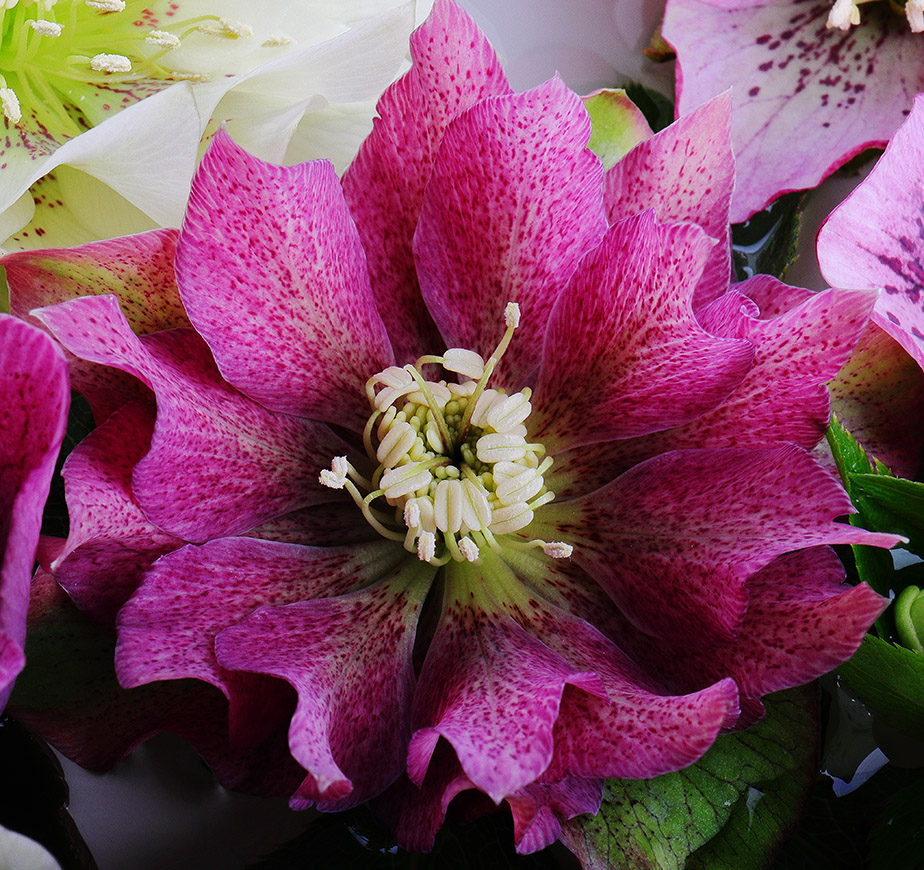
Pink hellebore flower

NB: A note for WordPress Reader users – you need to click on the title of the post again to see the full photograph. (Otherwise you see just a tiny section!)

The hellebores here were given to me from my neighbour’s garden. She knows that I photograph flowers, so she knew I would be delighted with them. A lovely gift, and one that kept me happy for a long while.

The top photograph is of a flower floating in a bowl of hellebores. I found that I preferred photographing the hellebore close-up, rather than trying to photograph the whole bowl of flowers. I think that’s partly due to the limitations of my bowl (not the most attractive) and partly because I find it much harder to create a pleasing composition from so many very varied flower heads.

It’s a lot more satisfying to me to arrange a smaller group of flower heads, especially if they are somehow related. That makes it easier to concentrate on the details of the flowers – even more so if I choose to photograph just a single flower.

I love seeing hellebores appear in early spring. They have a very exotic look which is not what I would really expect in a UK garden that is still shivering in chilly breezes. Both single and double flowers are utterly enchanting, but the doubles are just a bit more elaborate. I actually think the singles suit my garden better because of the fairly naturalistic planting here. However, I’m happy to create a slightly more formal looking area that should suit a few of the doubles – if I get a chance to buy some!

You may have noticed that I pinched my title from the David Bowie song. If you’d like to hear a very different version by Lisa Hannigan, it’s here. Enjoy!

White hellebore flowers

The Colours of Courage

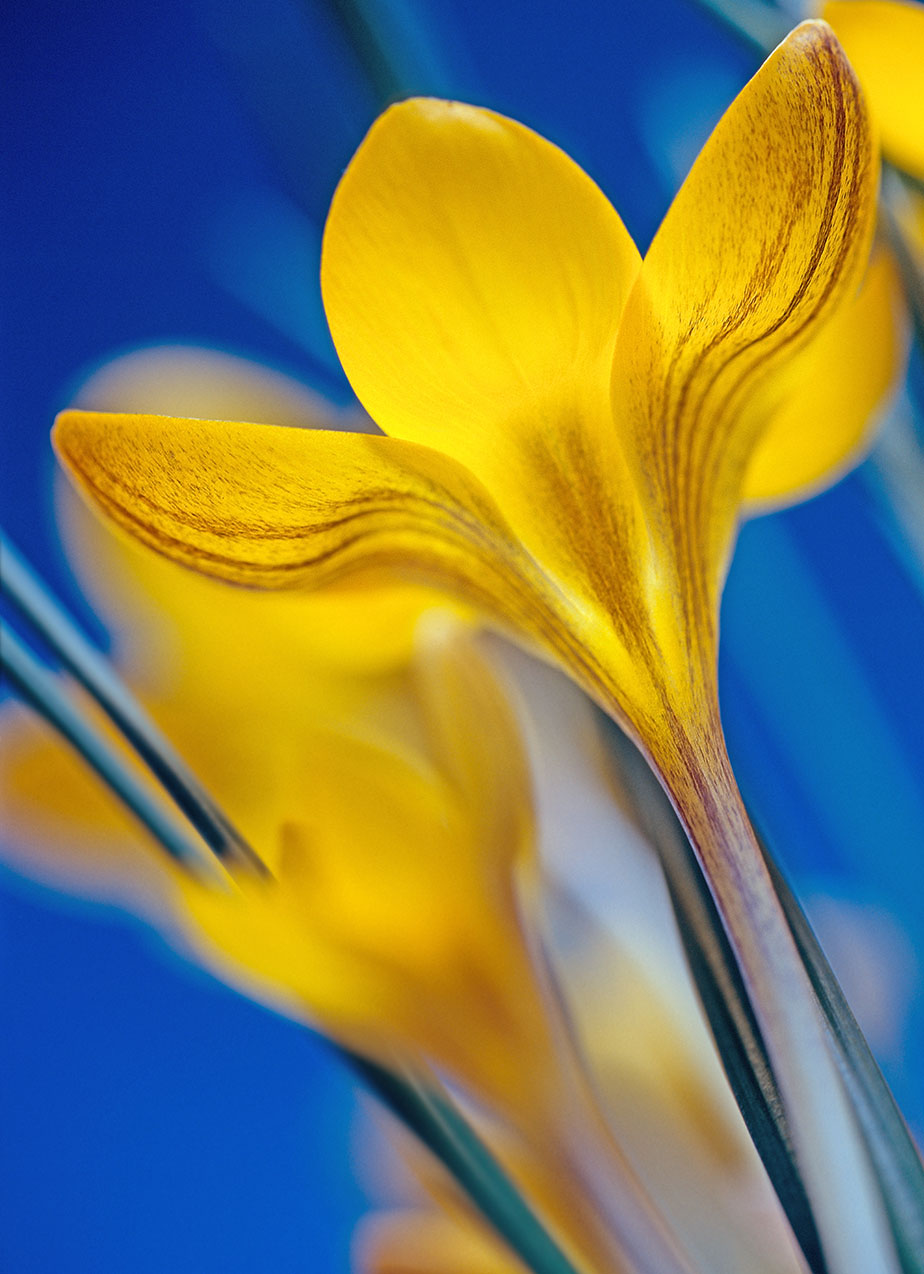
Yellow crocus 'Zwanenberg Bronze'

NB: A note for WordPress Reader users – you need to click on the title of the post again to see the full photograph. (Otherwise you see just a tiny section!)

I cannot find the words to express how I feel about the evil of the war being made on Ukraine by Putin and the Kremlin. My heart is full of grief and rage at the terrible sufferings of the brave Ukrainian people. Yellow and blue – the colours of the Ukrainian flag – will always stand for courage.

Slava Ukraini!

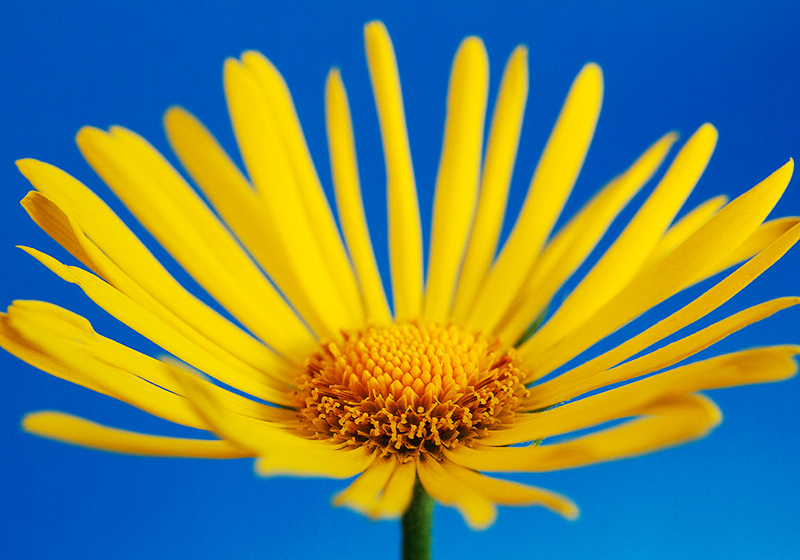
Doronicum (leopard's bane) flower

Hellebore Time!

White and pink hellebore flower

NB: A note for WordPress Reader users – you need to click on the title of the post again to see the full photograph. (Otherwise you see just a tiny section!)

This is a time of year that I really look forward to. The garden is beginning to waken from winter and the first flowers of the year are starting to open. These early flowers are an invitation to come outside and have a look around to see what new delights have appeared.

Amongst these, the hellebores are the flowers that demand attention first. After the tiny winter flowers of mahonia, Viburnum bodnantense and winter jasmine, their big, showy blooms bring an exotic feel to borders that have been starved of colour for a few months.

White and pink hellebore flowers

I find the variations in hellebore flowers fascinating. There are so many different flowers and new ones being bred all the time – all with beautiful colours and markings on the petals.

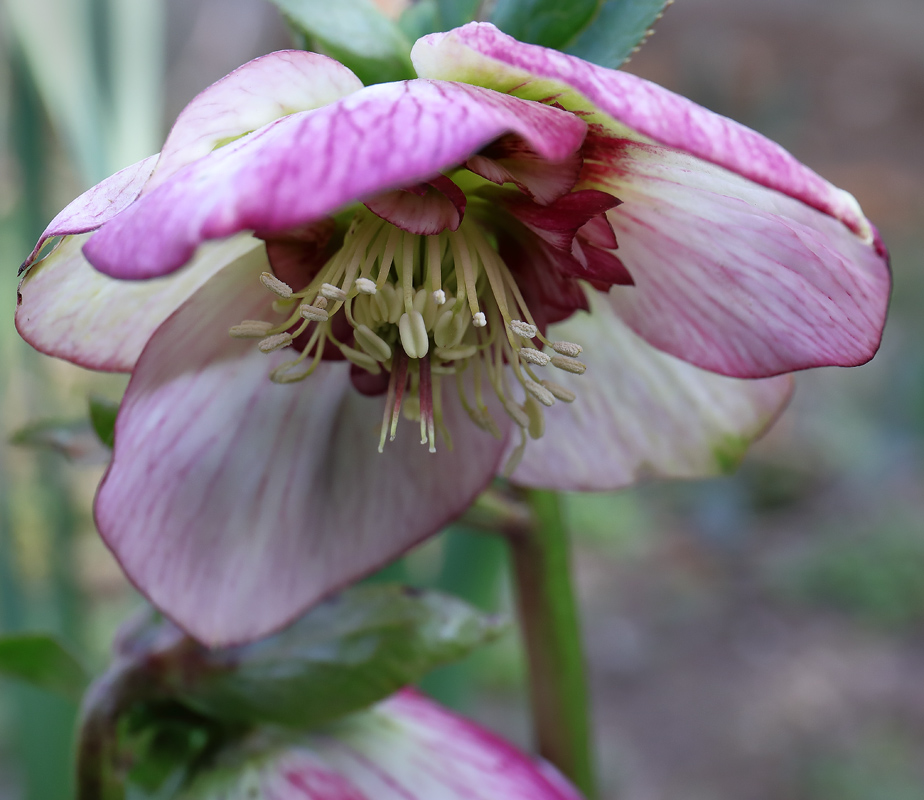
The flower forms can vary too. On this one the nectaries are very large and a deep red. (The nectaries are the tube-like shapes, arranged in a ring at the base of the petals. In fact, these nectaries are reckoned to have evolved from the hellebore’s original petals, while what we think of as the petals are actually sepals. The sepals last for far longer than petals can, meaning that hellebores have very long-lasting flowers.)

These are such pretty flowers (and good for early bees) that I would love to have lots more. Unfortunately, they can be quite expensive to buy, but occasionally I’m lucky enough to find one at a price that’s easier to afford. For the pleasure they give, they’re worth it!

White and pink hellebore flower

Roses for Love

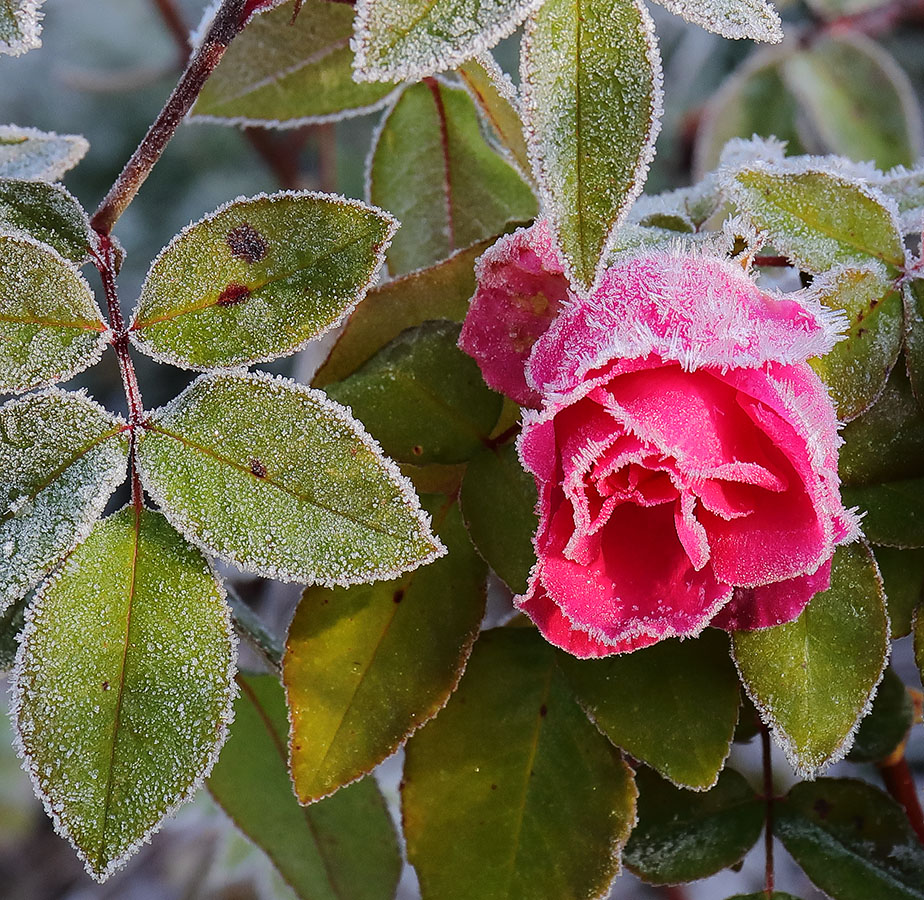
Frosted Rose 'Zepherine Drouhin'

NB: A note for WordPress Reader users – you need to click on the title of the post again to see the full photograph. (Otherwise you see just a tiny section!)

As it’s Valentine’s Day tomorrow, it felt like a good excuse to show images of roses. They are a bit more colourful than most of the pictures I’ve posted over the last few weeks. Of course, the top rose is still in keeping with my recent wintry theme.

This rose (Zepherine Drouhin) had been caught by an early frost after managing a few flowers at the start of November a couple of years ago. There have been no frosty roses this year because our early winter was much milder.

I don’t have many roses in the garden, so I’m looking forward to being able to see and photograph some in the gardens I visit this year. (And I’ll enjoy having a sniff at them too!) Being already halfway through February makes it feel as if the days of summer, full of colour and scents and sunshine, are not so far away.

My roses here aren’t the traditional Valentine’s red, but I hope they’ll bring a smile. And I hope that you’ll enjoy a happy Valentine’s Day!

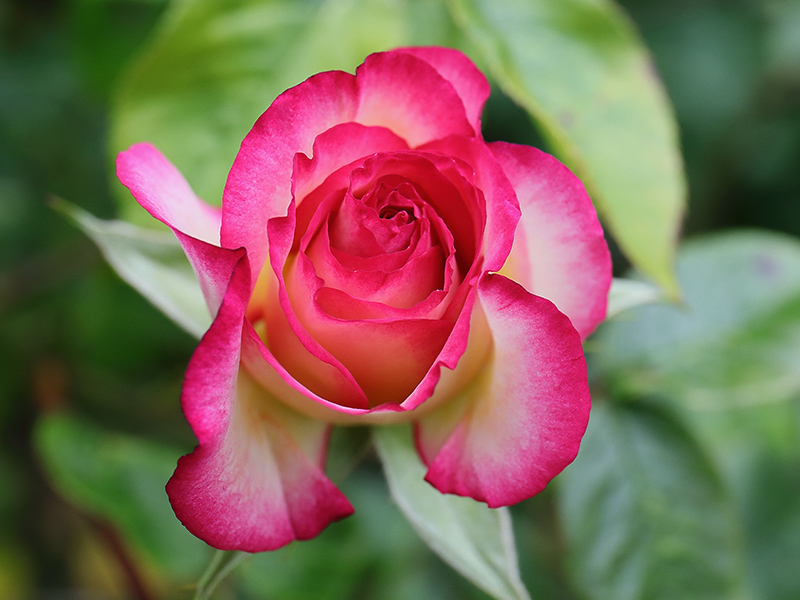
Rose 'Handel'
Climbing rose ‘Handel’

Frosted Seed Heads: Wild Carrot

Frosted seed head of Daucus carota

NB: A note for WordPress Reader users – you need to click on the title of the post again to see the full photograph. (Otherwise you see just a tiny section!)

Back in September I wrote a post about the flowers and seed heads of wild carrot (Daucus carota). I was hoping that the seed heads would last long enough to be frosted when winter arrived. Luckily for me they did, so I had the chance to photograph them. (You can see my original post here: https://annmackay.blog/2021/09/19/going-to-seed-wild-carrot/ )

This wild carrot is a variety named ‘Dara’. It has white flowers that gradually turn a deep burgundy and are very lacy and delicate-looking. The seed heads are just as interesting as the flowers, especially when they curve inwards into a little ‘nest’ which protects the maturing seeds. By this time of the year most of the seeds have escaped (some with a fair bit of help from me) and may become the new plants for future years.

Meanwhile, the remains of the seed heads provide a great framework for frost. The top photograph was taken when the frost was particularly heavy, making it look as if the seed head had been dipped in sugar crystals.

This plant was in a position that is shaded from the early morning sun, so the frost lasts and allows time for photography. The cold lingers here, and the shade from the fence creates a bluish cast which makes it feel even chillier. (The bottom photograph is of a plant that is further from the fence, so frost there doesn’t last as long. It was also taken earlier in the winter, when there was a much lighter frost.)

I’m grateful for simple things like these frosted seed heads in winter, because they keep me supplied with something to photograph. They give me something to enjoy and to marvel at as I look at them closely…and something that is enough to get me outside on an icy winter morning!

Frosted seed head of Daucus carota

A Little Winter Colour

Winter Jasmine

NB: A note for WordPress Reader users – you need to click on the title of the post again to see the full photograph. (Otherwise you see just a tiny section!)

It always delights me that some flowers can tolerate rough weather to give us a bit of cheering colour at this time of year. Even if the frost eventually proves too much for the tiny flowers of this winter jasmine (Jasminum nudiflorum), there are lots of new buds which will soon open to continue the show.

These flowers are especially welcome when almost everything else seems dormant in the coldest days of winter. They encourage me to take a wander round the garden so that I can see them up close and enjoy their exuberant colour.

Unlike other jasmines, winter jasmine isn’t a twining plant. Instead it has very thin and floppy stems which can be easily trained against a fence or trellis. Or you can do what I’ve done – just allow it to weave its way through other shrubs for support. (That does get rather untidy!)

Although it’s said to be an excellent winter nectar-source, I haven’t yet seen bees on it. Perhaps there will be in early spring, as this shrub has a long flowering period. (From December or January right through into March.)

But whether the bees like it or not, I certainly do. These little flowers are brightening an otherwise dark area of the garden like a sprinkling of yellow stars. They bring some joyful colour to the garden as it waits for spring.

Winter jasmine flowers

Caught by the Frost: Frosted Flowers

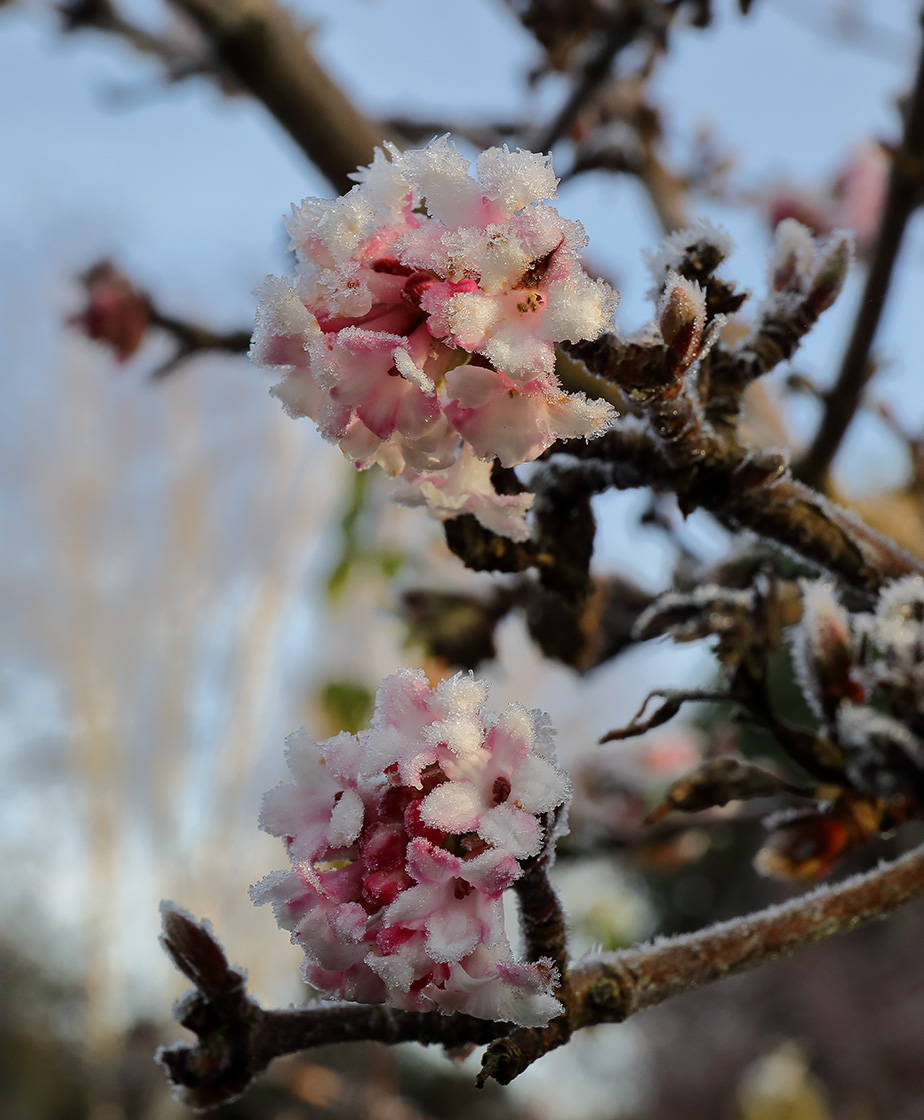
Frosted Viburnum flowers

NB: A note for WordPress Reader users – you need to click on the title of the post again to see the full photograph. (Otherwise you see just a tiny section!)

The cold has returned and it feels more like winter after the very mild New Year. There has been more frost and the new pond has had a covering of ice. What a change from the previous days that were more like mid-autumn!

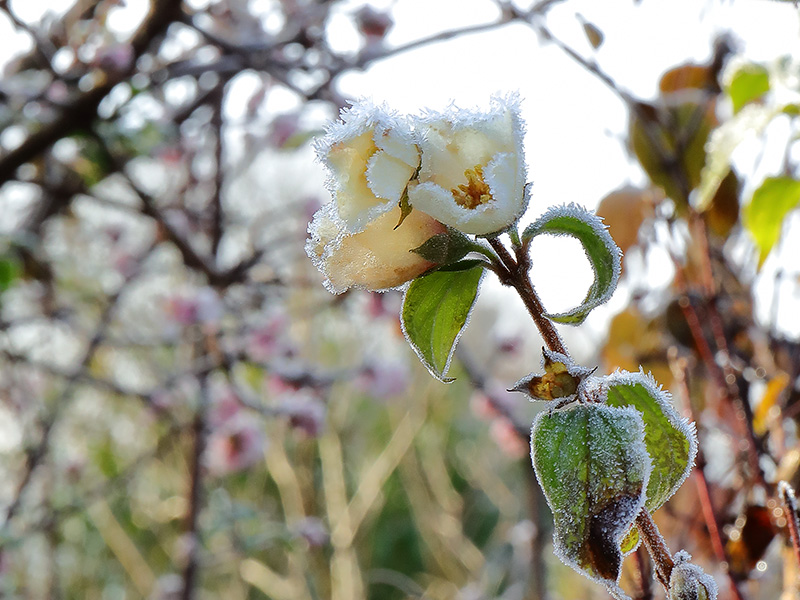
The frost has caught a few flowers in the garden. Viburnum bodnantense ‘Dawn’ (top photo) is a reliable flowerer for winter and often gets a little bit of icy decoration. The phildadelphus below is a summer-flowering shrub but somehow managed to produce the few flowers here. They make an unusual frosty image, but I wonder if the warming climate will make occasional winter flowers on this shrub more likely.

The unusually warm temperatures over the last few weeks must have been confusing for plants and for wildlife too. I’ve noticed the occasional bumblebee buzz past me while I’ve been working in the garden. It’s not unusual to see one or two out of hibernation on a sunny day. They seem to prefer the mahonia flowers to the viburnum, but maybe it depends on what the choice of flowers is, and what stage they’re at.

In any case, I think I should add some new plants to expand the choices for any bees active at this time of year. (Winter-flowering heathers, aconites, crocuses, hellebores and winter-flowering honeysuckle are all frequently recommended. As are willows, but I wouldn’t have room for one of those!) For now, I’m hoping that the bumblebees are safely tucked up and asleep – it’s cold out there!

Frosted Philadelphus flowers

A Christmassy Red for You

Flowers of Dipladenia Rio

NB: A note for WordPress Reader users – you need to click on the title of the post again to see the full photograph. (Otherwise you see just a tiny section!)

I hope that you are all enjoying a peaceful, healthy and very happy holiday, whether you celebrate Christmas or not. Covid has given us another difficult year but I hope that, despite it, you and yours have a time full of magic and joy.

I’d also like to thank you for reading my blog posts and for commenting and chatting here. Your company has brightened my days and the warmth of the blogging community has cheered me at a time when it is difficult to visit family and friends. It is a joy to interact with you!

The flowers here are Dipladenia ‘Rio’, a climber that I grow in our conservatory. The colour feels festive and Christmassy, so appropriate for this time of year. I hope that you are feeling festive too!

Dipladenia Rio

Going, Going, Gone 3: Long Gone

Rudbeckia flowers

NB: A note for WordPress Reader users – you need to click on the title of the post again to see the full photograph. (Otherwise you see just a tiny section!)

Almost all of the autumn flowers here are gone. One or two remain. The hesperantha and gaura (posted here two weeks ago) still have a few flowers, and the dark flowers of Scabious ‘Chile Black’ keep coming well into the winter frosts. Others have only just finished for the year.

Many other flowers are now a more distant memory. The yellow flowers of the rudbeckia (top photo) have been gone for a few weeks, but for a long time they were their own little splash of autumn sunshine.

The red dahlia below is a lovely plant that was grown and given to me by my friend Barbara. It’s Dahlia variabilis ‘Bishop’s Children’. From seed, it can be anything in a range of reds, pinks, oranges and yellows, with deep red/bronze foliage. This one has survived several winters in the garden in its well-drained and sheltered spot. But as soon as the slightest touch of frost gets to it, the flowers stop. So one day you can have several red flowers looking radiant, and the next they’ve gone.

Dahlia 'Bishops Children'

Another splash of bright colour came from the New England aster in the photo below. (OK, I know I should call it Symphyotrichum, but ‘aster’ is so much easier!) I believe this one is ‘September Ruby’ (aka ‘Septemberrubin’). It’s a tall plant, covered in wonderfully pink daisies – usually about 4 ft. tall, but one year nearer 5ft. It’s glorious and one of the cheeriest sights of our garden in autumn.

These plants have finished for the year, but having their photographs gives me a reminder of warm late summer and autumn days. That’s something very welcome while it’s raining and the wind is stripping the leaves from the trees

Even now, though, there is a scattering of colour in the garden as the winter flowers start to appear. The winter jasmine is gleaming with delicate yellow stars and nearby a Viburnum bodnantense ‘Dawn’ is showing its tiny pink flowers. A mahonia bush now has yellow buds promising to open soon. As we approach the darker days of winter, these will give little touches of colour to cheer our hearts.

Aster flowers (Symphyotrichum)

Going, Going, Gone 2: Going Soon

purple penstemon flower

These flowers are likely to be pretty much gone by the time I post this. They’ve done well to last as long, but the next touch of frost will probably be enough to finish off the cosmos (below) and the osteospermum (bottom).

The penstemon (above) can usually flower a little longer than the others. Sometimes it’s still flowering when the heavier frosts arrive, which makes for some attractive photographs. I don’t think it will manage to keep going long enough this year because there are fewer flowers. None of our penstemons have had as many flowers as usual this year, but I don’t know why. They’re pretty drought-tolerant but I suppose it’s possible that they got a bit too wet in winter. Hopefully they’ll have stopped sulking by next year!

Cosmos 'Candy Stripe'
Cosmos ‘Candy Stripe’ has a pretty colouration.

I was glad to get the photograph of the cosmos, even though I’d already taken several others back in August, because at last it had developed the colouring that I had been hoping for. That was my last chance to get a decent photograph too, because although there are still several flowers, they’re now smaller and starting to look a bit ragged as the weather gets rougher.

Next year I will probably plant cosmos again, but I’ll try to find a different cultivar so that I have something new to photograph. (That’s the pleasure of having some annuals in the garden – I must make time to grow more.)

We have several osteospermums tucked into sunny spots in the garden. They don’t usually survive the winter but a local nursery sells them quite cheaply, so we don’t mind buying some more. The flowers are looking a bit ragged as a result of the little bit of frost we’ve had and the rain more recently. However, there’s still a few buds, so maybe they’ll manage to open to give us a last few flowers. (Next summer, I must remember to photograph the pretty daisy-like osteospermum flowers when they’re at their best – not leave it ’til they’re getting roughed up by the weather!)

purple osteospermum flowers
Pink osteospermum flowers – not quite ready to open.