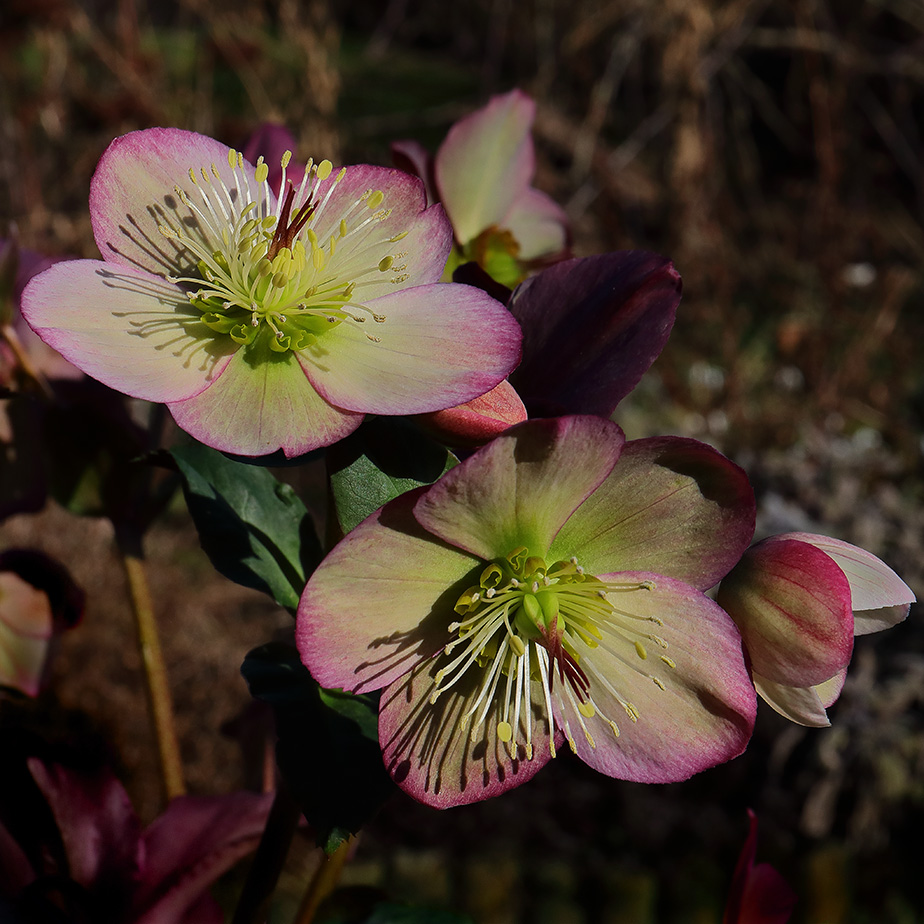
Looking Up: Hellebore ‘Rosali’

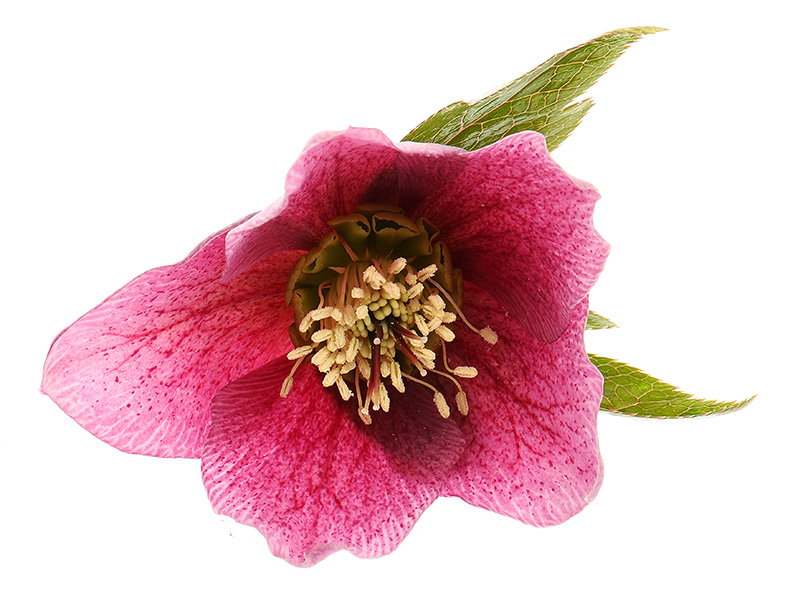
Hellebore 'Rosali' flowers

NB: A note for WordPress Reader users – you need to click on the title of the post again to see the full photograph. (Otherwise you see just a tiny section!)

Unlike the hellebores in my recent posts, the pretty pink-blushed flowers on this plant are upright and easy to see. Recent hellebore breeding has created a number of plants that have out ward-facing rather than downward-facing flowers and these flowers are bigger too, so make a very eye-catching sight.

‘Rosali’ is a recent purchase – I couldn’t walk past it in the garden centre! (So it may be a good thing that I don’t go to garden centres too often…) ‘She’ will join a small group of hellebores just outside the back windows of the house and where there is a change in level with a retaining wall. (That makes the other hellebores easier to see.) The area also gets a bit of shade in the afternoon, so hopefully won’t be too hot in summer.

This hellebore is one of the HGC ‘Ice N’ Roses’ collection (Helleborus glandorfensis), a new species which has been bred as a cross between a Snow Rose and a Lenten Rose (Helleborus ericsmithii and Helleborus x hybrida). This new species of hellebore is tall (at 45cm). It’s also said to be robust and long-lived. I certainly hope it is, because it will always be welcome in the garden as a joyful start to the gardening year.

Hellebore 'Rosali' flowers
Flowers of Hellebore HGC Ice N’ Roses ‘Rosali’

Sweet Spots

Pink hellebore flower

NB: A note for WordPress Reader users – you need to click on the title of the post again to see the full photograph. (Otherwise you see just a tiny section!)

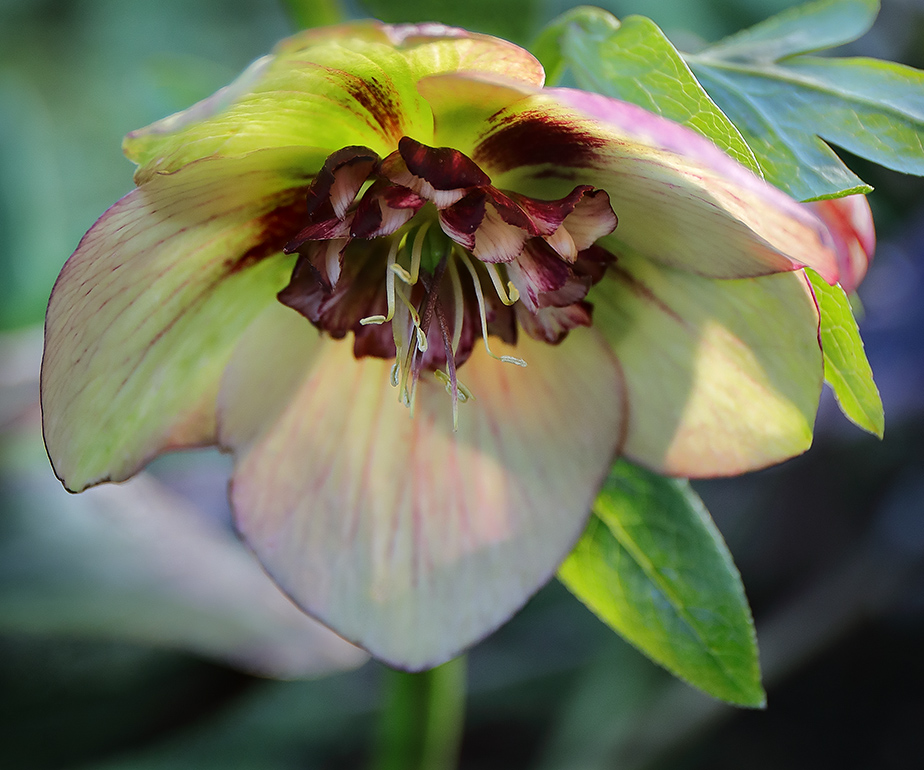
Part of the charm of hellebores comes from the variety of markings and colourings on the petals. The two flowers photographed here came from a friend’s garden. At first glance they look like they might be the same flower, but take a closer look and you can see small differences.

The top flower has larger, more diffuse spots that merge with the dark veining of the petals. You can see that the hellebore at the bottom has smaller specks of crimson that don’t obscure the petal’s veins as much. Tiny differences, but they add a lot to the appeal of a group of hellebores growing together.

A very similar hellebore is this little spotty one from my own garden. As the flowers on my plant get older, they become a lot paler than the flowers here. (EDIT: I’ve added a photo of the stages of this hellebore in my garden, so that you can see what I mean. The flower on the left side is darker when newly opened but will become a bit lighter as it develops.)

Pink-spotted hellebore flowers.
Three stages of a flower – you can see how much darker the newly-opened flower on the left is.

It will be interesting to see if any seedlings develop from it and the other hellebores growing nearby because they’re all quite different from each other. Maybe I’ll eventually have a family of related plants that have interesting variations like the hellebores in these photos.

Pink hellebore flower
From a friend’s garden: a pretty pink hellebore flushed with tiny crimson spots.

Shy Beauties

Hellebore flower

NB: A note for WordPress Reader users – you need to click on the title of the post again to see the full photograph. (Otherwise you see just a tiny section!)

It’s almost time to photograph the hellebores as they start to come into flower. While I’m waiting for them to be ready, I thought I’d show you a couple of flowers from previous years.

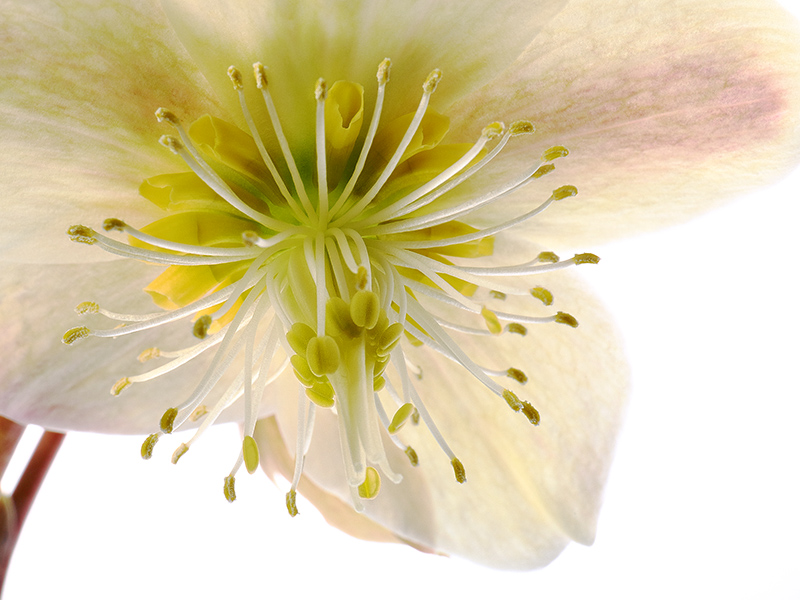
I’ve photographed the hellebore above quite a lot because it’s one of my favourites. But it’s not getting any easier. That’s because it’s a shy little flower, like most hellebores, and keeps its flowers facing earthwards. To photograph them I have to get down really close to the ground – and then get back up again!

Hellebores are lovely flowers, so getting into awkward positions to photograph them is worthwhile. There is good news though, in that there are newer varieties that have more upward-facing flowers. I’ve just treated myself to a new plant (but not photographed it yet) that has taller stems and much more upright flowers. This makes them far easier to see. (You’ll see photos of that one soon.)

For the bottom photo I made life easier for myself by taking the flower indoors to photograph. Simply placing it higher than the camera let me look into its little face and capture its portrait. 🙂

Hellebore flower

Looking Forward

Iris reticulata and yellow crocuses

NB: A note for WordPress Reader users – you need to click on the title of the post again to see the full photograph. (Otherwise you see just a tiny section!)

It feels like an in-between time in the garden at the moment. Spring isn’t here yet, but winter has become less harsh and it’s grip is not as cold as it was a week or so ago. Some mornings there may be traces of frost on the grass, but the heavier frosts that have iced the garden plants are absent. Now is a time of waiting for the new season to arrive.

There are some signs of the approach of spring already. The leaves of daffodils are well above the ground and their flower buds are slowly swelling. Hellebores are getting ready to bloom. A few crocuses have bravely opened their yellow flowers – the same crocuses as in the photo. (These are Crocus chrysanthus var. fuscotinctus, growing with Iris reticulata ‘Cantab’ and Iris reticulata ‘Harmony’ behind. I grew them together in a pot a couple of years ago to make a welcome by my front door.)

The cold weeks of January have made me impatient for the start of spring. I want to see plants bring life and excitement back to my garden, to feel the sun warm me, to hear the first bees buzz past. For me, the start of spring is a time of hope and of building anticipation as I gradually see plants reappear, like familiar and much-loved friends. While I’m waiting, the photographs from previous years are a reminder of the joys to come.

Winter Roses

Frosted rose 'Blue Rhapsody'

NB: A note for WordPress Reader users – you need to click on the title of the post again to see the full photograph. (Otherwise you see just a tiny section!)

We had a few days of frost and snow towards the end of December. This created lots of opportunities for winter photographs, so you can imagine how pleased I was to see it. (Finding something to photograph for the blog can get difficult at this time of year!)

The warm autumn and mild early winter had encouraged the roses ‘Rhapsody in Blue’ (above) and ‘Zepherine Drouhin’ (below) to produce a few very late blooms. I love to photograph frosty and frozen flowers because they’re like little icy sculptures. Sadly the frost brought these particular flowers to an end. Freezing damaged the cells of the petals too much for them to survive once the frost melted.

Most of my frosty pictures are photos of seed heads and leaves, so it makes a change to be able to photograph frosted flowers. Because there are only a few winter-flowering plants in my garden, I’d like to plant more flowers that will appear during this time. That would mean that I have more to enjoy in the garden in winter and more to photograph – that’s always a pleasure!

Frosted rose 'Zepherine Drouhin'

It’s Cold Out There!

Frosted Salvia (flowering sage)

NB: A note for WordPress Reader users – you need to click on the title of the post again to see the full photograph. (Otherwise you see just a tiny section!)

We are definitely in the cold, dark depths of winter here, brrr! I think the drawn-out and very mild autumn had lulled me into a false sense of security and/or warmth because the freezing temperatures feel like quite a shock. But grey clouds are said to have silver linings, and frosty mornings mean opportunities for photography.

I initially wrote that frosty mornings have a sparkle, but that’s not necessarily true. If there is sun, as in the top picture of a pink-flowered salvia, it makes the image much more appealing. The tiny flowers are just enough to give a translucent gleam of crimson.

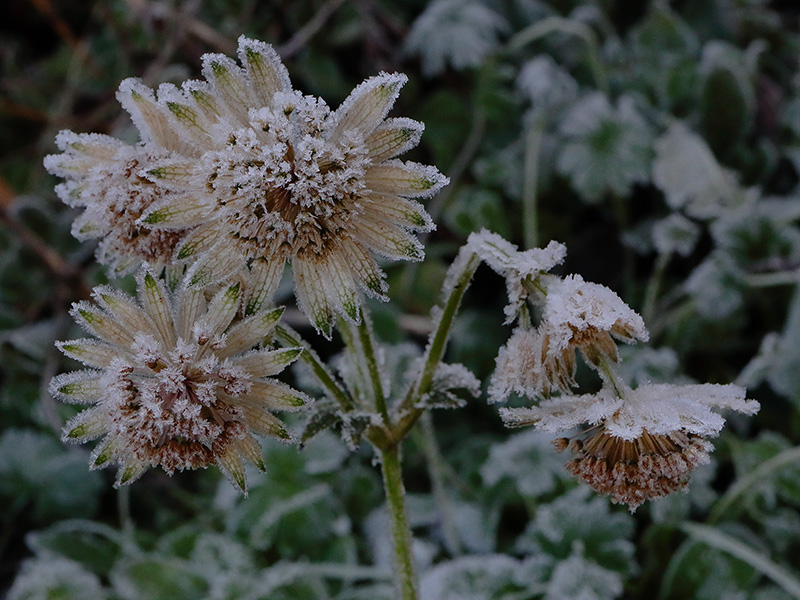
Frosted Astrantia flowers
Astrantia flowers are usually long gone by winter.

The two following images, were, by contrast, in deep shade. They have a much colder and more subtle feel, lacking the drama of strong colour and sun. At the same time, there is more detail in the frost than if the flower was beginning to warm in the weak sunshine. (Any bit of sun soon softens and melts the frost, so in brighter areas I have to work much more quickly.)

Astrantia (above) wouldn’t normally be in flower at this time of year and this late flower was a surprise. The Japanese anemone (below) would normally have finished flowering some time ago too (usually October). Maybe the late flowers were a result of the warmer than normal autumn. In any case, they were a chance to take frosty flower photographs that I wouldn’t normally get.

Frosted Anemone
This anemone flowered very late and paid a very chilly price!

Sadly, the frozen flowers will be destroyed by the frost. They’ll be like limp brown rags when they eventually thaw. I can’t complain though, because in these cooler, shady areas, the frost has lasted several days without lifting, giving me plenty of time to photograph these flowers.

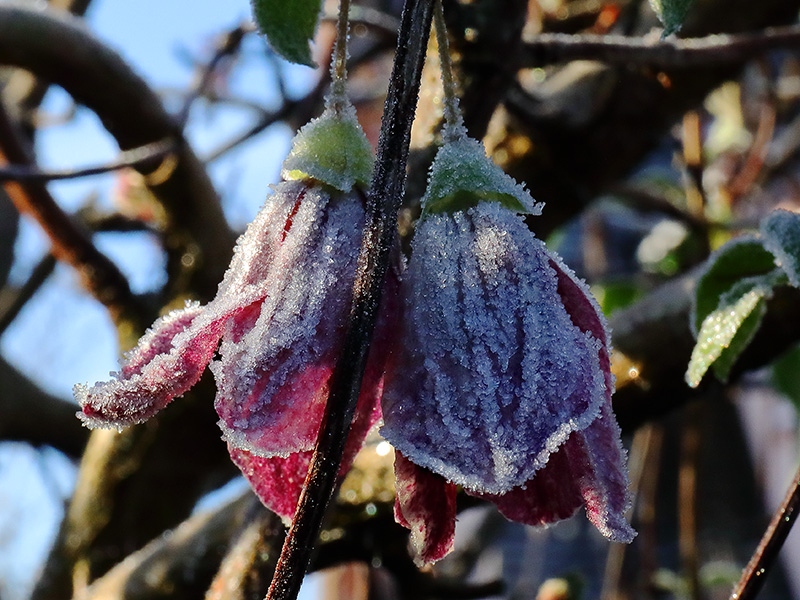
The winter-flowering clematis that I posted photographs of recently has frozen too. Although I would expect the opened flowers to be badly damaged by the frost, I hope that the still-unopened buds will survive. With luck and milder temperatures soon, there may be more of these pink bells to come. I certainly hope so!

Frosted clematis flowers
The winter-flowering clematis is now a frozen clematis!

Winter Scent: Viburnum Bodnantense ‘Dawn’

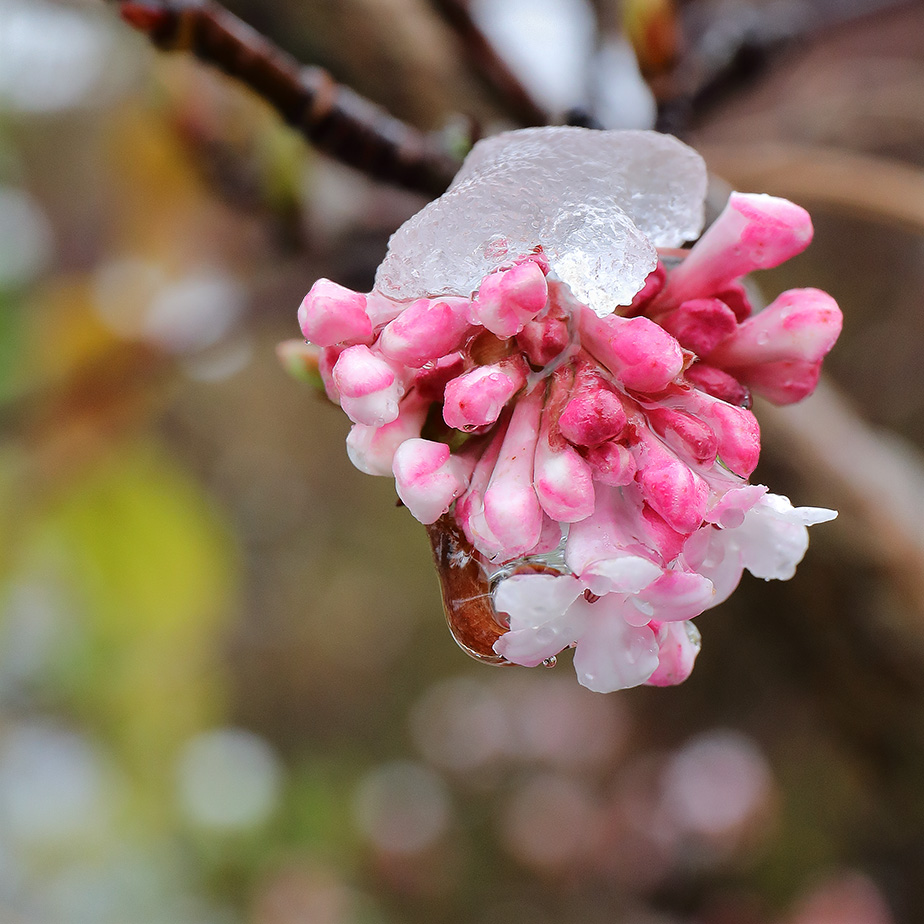
Snow on flowers of Viburnum bodnantense Dawn

NB: A note for WordPress Reader users – you need to click on the title of the post again to see the full photograph. (Otherwise you see just a tiny section!)

Last week I photographed a winter-flowering clematis growing up a shrub that flowers at the same time. This week I thought I’d show you what the flowers of that shrub (Viburnum bodnantense ‘Dawn’) look like.

As you can see, the flowers are small and not exactly spectacular. They do however, look very pretty on the bare branches of the shrub and provide some good colour on a winter’s day. After frost or snow some of the older flowers will be browned and dying, but the newly-opened flowers and buds keep going and can last over a long period.

One of the main reasons I planted this viburnum wasn’t for the flowers, but for the scent. I’d come across it in a park in winter and had been entranced by its sweet fragrance. For the first years with my own one, I’d been disappointed by an apparent lack of scent. (But I don’t have a particularly strong sense of smell, so I thought I could be at fault.) I wondered whether individual shrubs could vary in the amount of scent they produced.

This year I was very pleased to find that my viburnum does indeed produce scent. At the moment it has far more flowers than ever before, so their sweetness has been noticeable in the air. Getting up close to the viburnum while I photographed the clematis in its branches was a very pleasant experience. There are some delightful benefits to spending time in a cold winter garden!

Winter Clematis: Lansdowne Gem

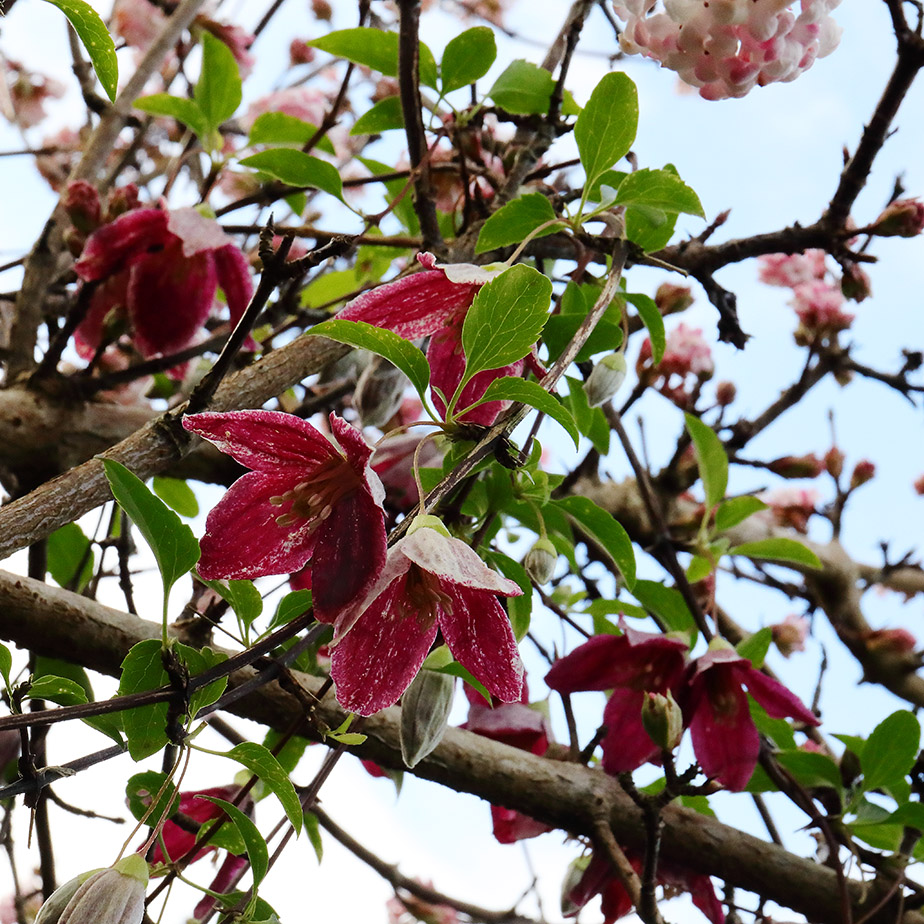
Clematis cirrhosa 'Lansdowne Gem'

NB: A note for WordPress Reader users – you need to click on the title of the post again to see the full photograph. (Otherwise you see just a tiny section!)

The weather has made the garden feel distinctly unappealing for most of this week. It has been grey and damp and dark far too early in the day for me to spend much time outside. But I did make a point of going out to look at the flowers of Clematis cirrhosa ‘Lansdowne Gem’.

Unlike the other clematis in the garden, this one flowers during winter. The flowers are a deep wine-red, but in order to see the colour you need to be standing underneath the bell-like flowers. (The outside of the flower is a drab greyish-white.) I’ve chosen to grow this clematis up through the winter-flowering Viburnum bodnantense ‘Dawn’ which has pink flowers at the same time.

The flowers are not all a solid red. Some are quite speckled, especially around the edges of the petals. I was intrigued to notice that one flower was especially spotty (below), making it look very like the flowers of the related variety ‘Freckles’. And seeing how pretty it is, I’m now tempted to look for somewhere that I could grow ‘Freckles’ too.

Having flowers in the garden in winter is something of a treat. It’s also great for any bees that are around at this time. That makes me very interested in growing other winter-flowering clematis.

These clematis come from Mediterranean areas and go dormant in summer. That means they are more likely to survive drought in my hot Suffolk garden than the summer-flowering types. (I’ve lost a few of those through planting them in unsuitably dry places!) These clematis are not so hardy, though, so I’m hoping we won’t get a ‘Beast from the East’ this year.

Clematis cirrhosa 'Lansdowne Gem'

LEFT: The clematis flowers trail through this shrub’s branches like rows of bells.

RIGHT: One of the flowers of ‘Landsdowne Gem’ was spotty rather than the usual almost solid red.

The Golden Touch of Autumn

Autumn smoke bush leaves

NB: A note for WordPress Reader users – you need to click on the title of the post again to see the full photograph. (Otherwise you see just a tiny section!)

Often the leaves don’t change colour very much here in autumn. This year though, they were much more golden than usual.

Our autumns are usually mild, with rain and stiff breezes that carry away a lot of the leaves. This October, however, was much warmer and sunnier than usual during the day and the clear skies allowed the temperature to drop a lot at night. The result has been good displays of golden leaves in gardens and the countryside around us. (Happy timing for us, because a good friend had come to stay, so we were keen to show off the beauties of Suffolk.)

The leaves above belong to our smoke bush (Cotinus), which is the most reliable producer of autumn colour in the garden. It also provides me with leaves that are low enough down for me to be able to photograph them close up. A large Himalayan birch and a rowan tree have both coloured well, as has a wisteria. There are not many red leaves though. A cherry tree and a crab apple both produce some red but the leaves have already blown off. (And had to be fished out of the pond! Luckily that’s a job I find quite satisfying.)

Waiting in Hope

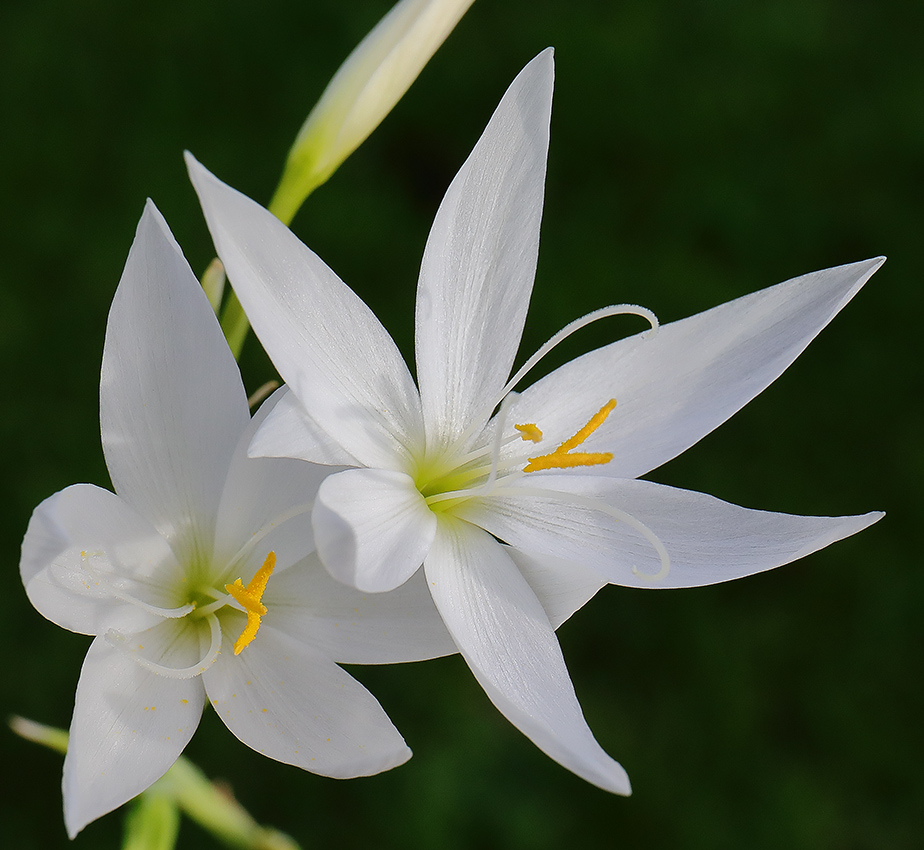
Hesperantha flowers

NB: A note for WordPress Reader users – you need to click on the title of the post again to see the full photograph. (Otherwise you see just a tiny section!)

Will I see a flower or two on my hesperanthas before winter comes? I must admit that it’s just a small hope by now, because I haven’t even noticed any buds. (But I’ve been busy elsewhere in the garden so I could have missed those.)

Hesperanthas flower a bit later in my garden than they’re said to – often October into November here. So if they flower they add a splash of colour before the frosts. Last year I had lots of red in a border and this white one in a pot. Nothing this year.

This year has been so extremely hot and dry that I think these plants have really suffered. I did try to keep them watered, but with so many plants gasping for more moisture, it was hard to keep up. These plants like moist or damp soils, so I may try relocating them to the bog garden that I’m building near the pond. Winter may be a problem there though. We do get long rainy spells at that time of year and I worry that the ‘bog’ area may get too waterlogged. I guess I will just have to try it and see. If it works, I may get some flowers like these next year… 🙂