Sweet Spots

Pink hellebore flower

NB: A note for WordPress Reader users – you need to click on the title of the post again to see the full photograph. (Otherwise you see just a tiny section!)

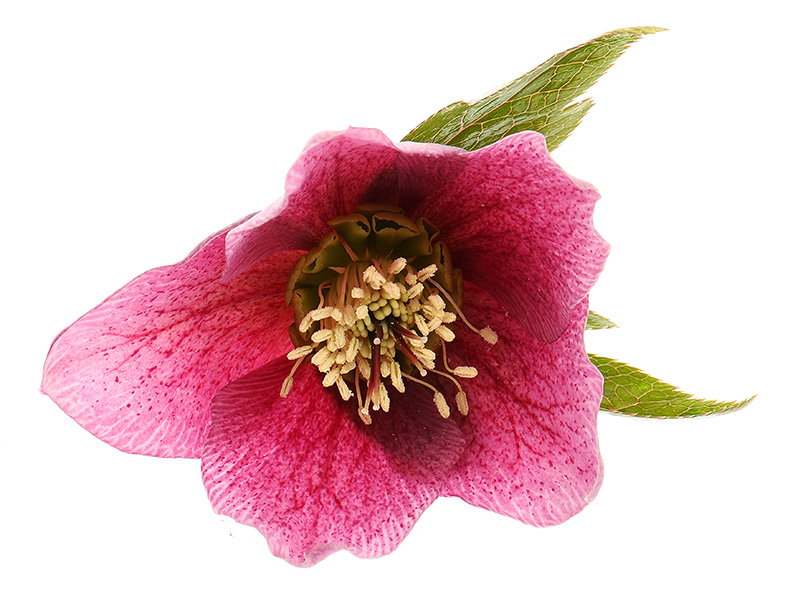
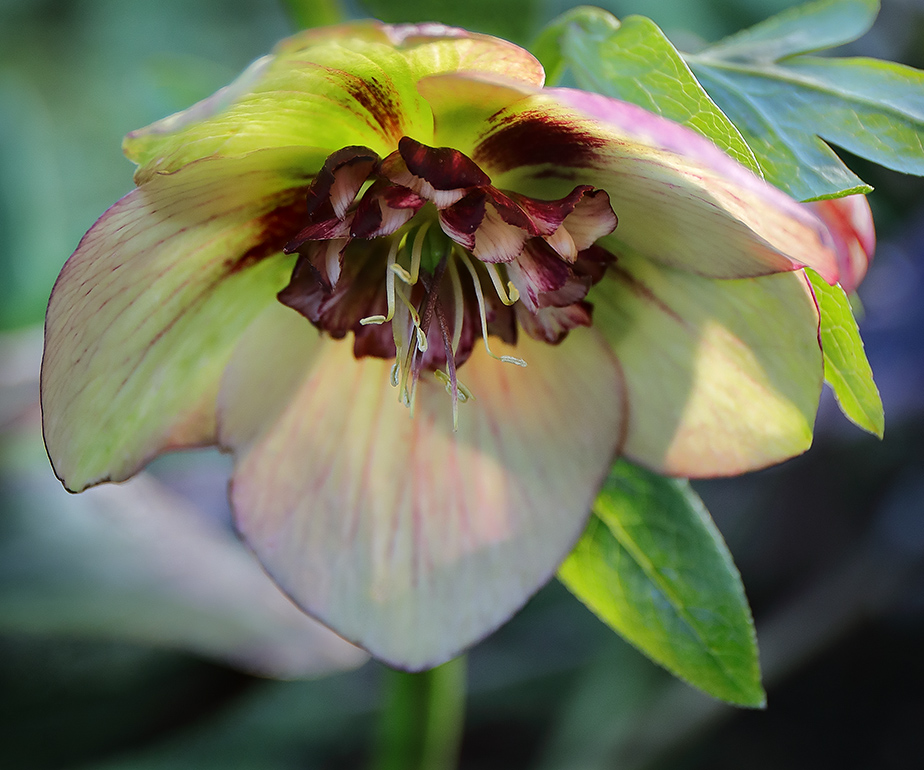
Part of the charm of hellebores comes from the variety of markings and colourings on the petals. The two flowers photographed here came from a friend’s garden. At first glance they look like they might be the same flower, but take a closer look and you can see small differences.

The top flower has larger, more diffuse spots that merge with the dark veining of the petals. You can see that the hellebore at the bottom has smaller specks of crimson that don’t obscure the petal’s veins as much. Tiny differences, but they add a lot to the appeal of a group of hellebores growing together.

A very similar hellebore is this little spotty one from my own garden. As the flowers on my plant get older, they become a lot paler than the flowers here. (EDIT: I’ve added a photo of the stages of this hellebore in my garden, so that you can see what I mean. The flower on the left side is darker when newly opened but will become a bit lighter as it develops.)

Pink-spotted hellebore flowers.
Three stages of a flower – you can see how much darker the newly-opened flower on the left is.

It will be interesting to see if any seedlings develop from it and the other hellebores growing nearby because they’re all quite different from each other. Maybe I’ll eventually have a family of related plants that have interesting variations like the hellebores in these photos.
Pink hellebore flower
From a friend’s garden: a pretty pink hellebore flushed with tiny crimson spots.

Shy Beauties

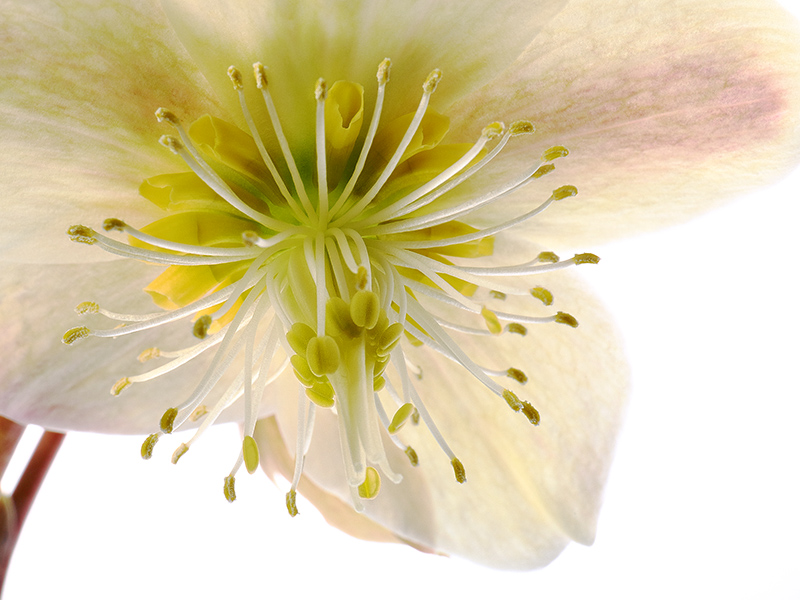
Hellebore flower

NB: A note for WordPress Reader users – you need to click on the title of the post again to see the full photograph. (Otherwise you see just a tiny section!)

It’s almost time to photograph the hellebores as they start to come into flower. While I’m waiting for them to be ready, I thought I’d show you a couple of flowers from previous years.

I’ve photographed the hellebore above quite a lot because it’s one of my favourites. But it’s not getting any easier. That’s because it’s a shy little flower, like most hellebores, and keeps its flowers facing earthwards. To photograph them I have to get down really close to the ground – and then get back up again!

Hellebores are lovely flowers, so getting into awkward positions to photograph them is worthwhile. There is good news though, in that there are newer varieties that have more upward-facing flowers. I’ve just treated myself to a new plant (but not photographed it yet) that has taller stems and much more upright flowers. This makes them far easier to see. (You’ll see photos of that one soon.)

For the bottom photo I made life easier for myself by taking the flower indoors to photograph. Simply placing it higher than the camera let me look into its little face and capture its portrait. 🙂

Hellebore flower

Looking Forward

Iris reticulata and yellow crocuses

NB: A note for WordPress Reader users – you need to click on the title of the post again to see the full photograph. (Otherwise you see just a tiny section!)

It feels like an in-between time in the garden at the moment. Spring isn’t here yet, but winter has become less harsh and it’s grip is not as cold as it was a week or so ago. Some mornings there may be traces of frost on the grass, but the heavier frosts that have iced the garden plants are absent. Now is a time of waiting for the new season to arrive.

There are some signs of the approach of spring already. The leaves of daffodils are well above the ground and their flower buds are slowly swelling. Hellebores are getting ready to bloom. A few crocuses have bravely opened their yellow flowers – the same crocuses as in the photo. (These are Crocus chrysanthus var. fuscotinctus, growing with Iris reticulata ‘Cantab’ and Iris reticulata ‘Harmony’ behind. I grew them together in a pot a couple of years ago to make a welcome by my front door.)

The cold weeks of January have made me impatient for the start of spring. I want to see plants bring life and excitement back to my garden, to feel the sun warm me, to hear the first bees buzz past. For me, the start of spring is a time of hope and of building anticipation as I gradually see plants reappear, like familiar and much-loved friends. While I’m waiting, the photographs from previous years are a reminder of the joys to come.

It’s time for Irises!

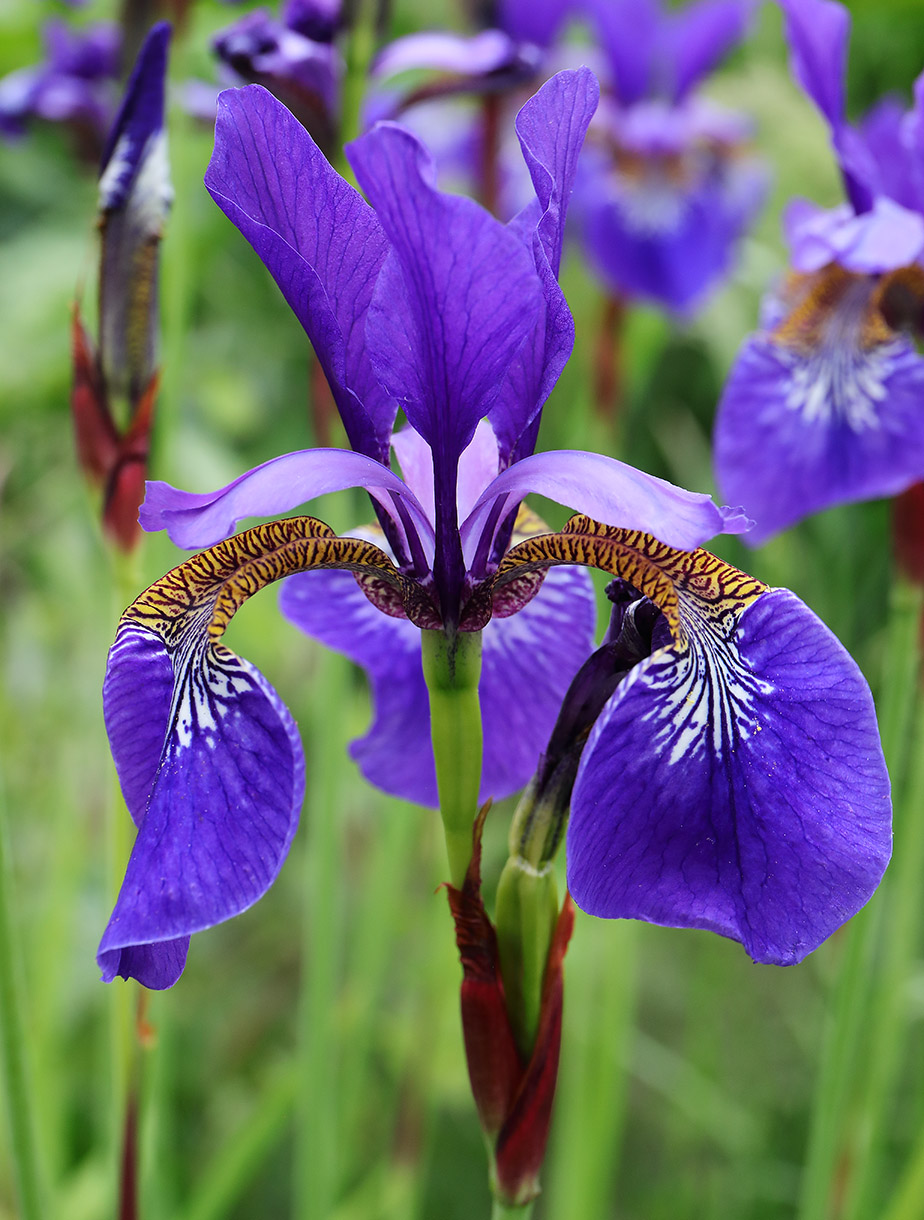
Iris sibirica

NB: A note for WordPress Reader users – you need to click on the title of the post again to see the full photograph. (Otherwise you see just a tiny section!)

I enjoy this time of year because there are so many lovely flowers around. Some in my own garden, others in the gardens of friends and neighbours. And of course, there are the temptations of nurseries and garden centres.

One of the flowers that has attracted me most over the years is the iris. There’s a wonderful array of flowers of all sorts of colours, markings and sizes and I’d love to grow lots of them. But where would I put them? For now, I’ll just have to settle for having a few that I especially like, and that are easy to grow.

Siberian irises are amongst my favourites. The flower in the top photograph was simply labelled ‘Iris sibirica’, so I have no idea of the cultivar. I do know that the iris in the bottom photo is ‘Currier’ and I also have ‘Silver Edge’. (I photographed ‘Silver Edge’ for this post last spring.)

With all of these Siberian irises, a large part of the appeal for me is the intricate veining on the lower petals (actually sepals, known as ‘falls’). The combination of lines and spots is irresistible as a subject to photograph. Of course they are there to serve a more important purpose – that of creating a well-signposted route for bees to the flower’s pollen. Lucky for us that practicality in nature can be so beautiful!

Iris sibirica 'Currier'
Iris sibirica ‘Currier’

Transitory Glories: Tulips (2)

NB: A note for WordPress Reader users – you need to click on the title of the post again to see the full photograph. (Otherwise you see just a tiny section!)

As is usual here in spring, a lot of the flowers pass me by all too quickly. Sometimes I feel that I barely have time to notice one or two of them before they are already going over. (This year it was the camassias that have disappeared too soon for me. If I had been paying more attention I would have taken some photographs of them.)

Luckily, that hasn’t applied to the tulips because they’re near where I’ve been working in the garden for the last few weeks. Even then, their departure feels sudden and many have already been deadheaded. For a little while the flowers are eye-catching in their glorious colours, flaunting their bright petals and demanding to be noticed. They are already mostly gone and I’m left wondering how the time has managed to pass so quickly!

Tulip ‘Upstar’

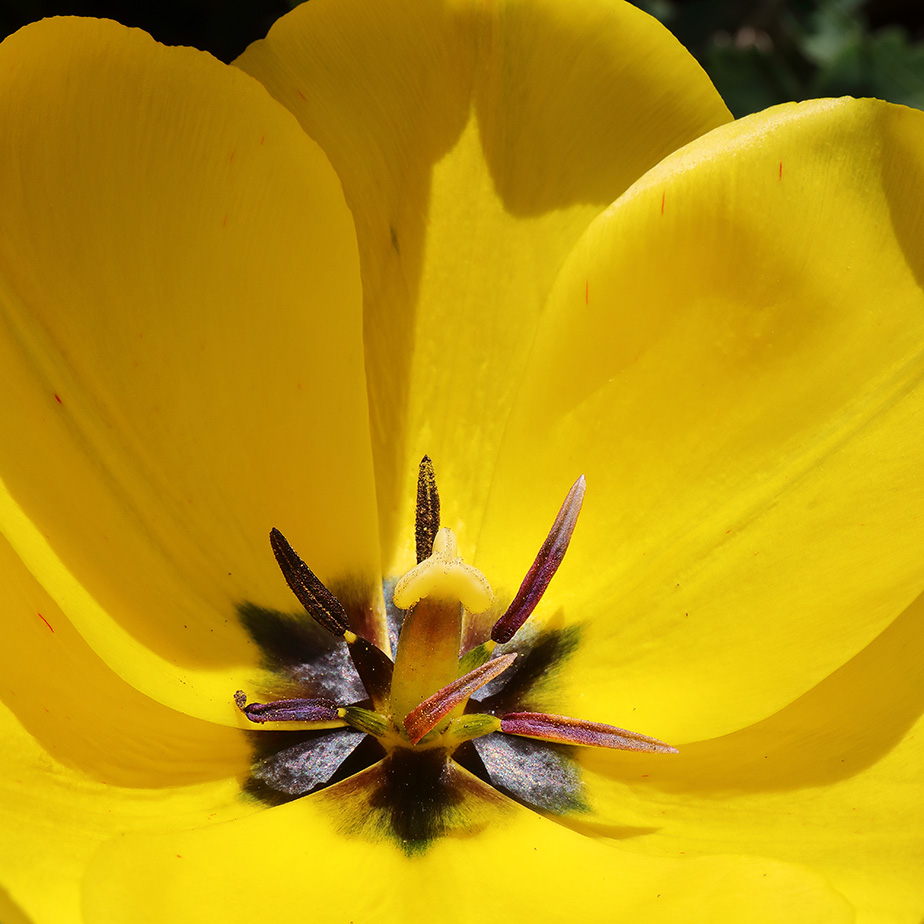
I guess if there’s a moral to that, it’s to make sure you stop and enjoy your garden at every stage through the year…something I’m still learning to do. The good thing is that these tulips have come back again for several years. (The ‘Upstar’ and ‘Shirley’ tulips have only been in the garden for three years, so I shall have to wait and see how long-lived they are. The yellow tulip has been in the garden for a very long time – they seem to last forever!)

I’ve been discouraged by tulips fizzling out quite quickly in the past, not realising that there are some that are just short-lived. Now I’m more likely to experiment so that I will have something new to photograph. And if they don’t last for many years, that just gives room for a new variety. Meanwhile, I’ll try to make sure I take the time to enjoy the flowers in the garden before they fade…and for those I do miss, there’s always next year!

Triumph tulip ‘Shirley’

Tulip Confusion

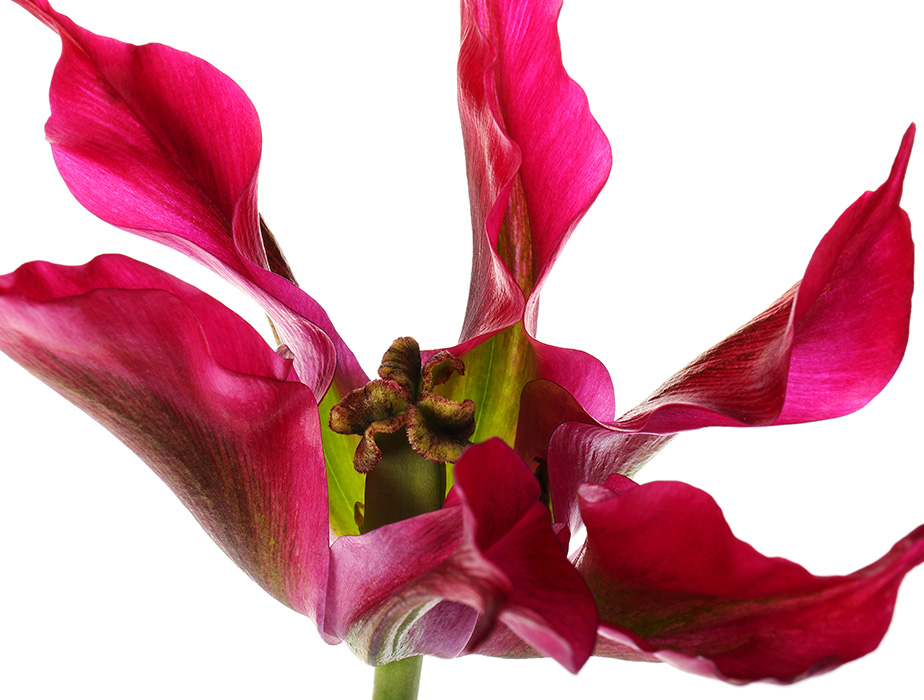
Red viridiflora tulip

NB: A note for WordPress Reader users – you need to click on the title of the post again to see the full photograph. (Otherwise you see just a tiny section!)

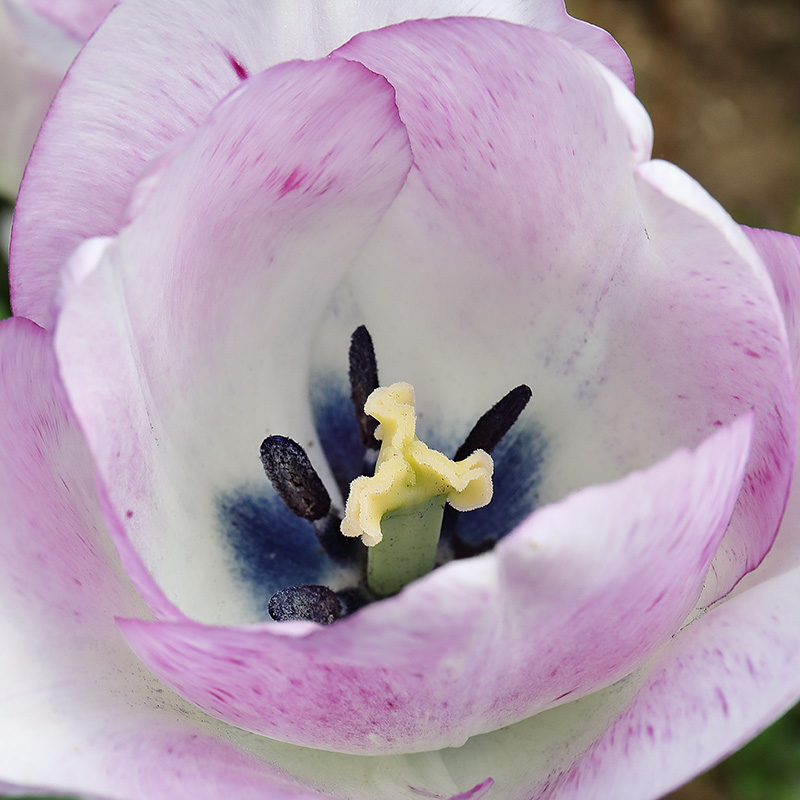
Packing flower bulbs must be a tricky job. If something goes awry and the wrong variety gets into a batch that’s being packed, how could you tell? So it’s not very surprising if something turns out to be different to what you thought you’d bought…like the tulip here. The pack was labelled ‘Hollywood Star’ but that tulip looks different to this one.

The flowers of Hollywood Star are much more red than the magenta here, and a different shape. They’re more the usual rounded tulip shape that you might expect. This one is different. It’s a lily-flowered tulip, with narrow petals that curve backwards. Happily for me, that has made this a more interesting flower to photograph because the petals have some lovely wavy curves. To me, the shapes they make suggest energy and a tendency to do their own thing. It also makes each flower slightly different from the next, so that gives more variety to my photographs.

This labelling mistake has turned out well for me. As a garden flower (rather than just a photographic subject), I find I prefer the unpredictability of this tulip over something more uniform. That makes me wonder if it’s good to sometimes have less control in the garden. Unexpected planting can certainly make life more interesting!

I still don’t know what this tulip is. There is a slight green marking at the base of the petals, so, like Hollywood Star, it is a viridiflora type. From looking at photos elsewhere, I think it’s probably ‘Doll’s Minuet, so if I want to grow more, that’s what I’ll look for. Will I end up with something different? Haha, maybe!

Red viridiflora tulip

Blossom Time (2)

Cherry tree blossom

NB: A note for WordPress Reader users – you need to click on the title of the post again to see the full photograph. (Otherwise you see just a tiny section!)

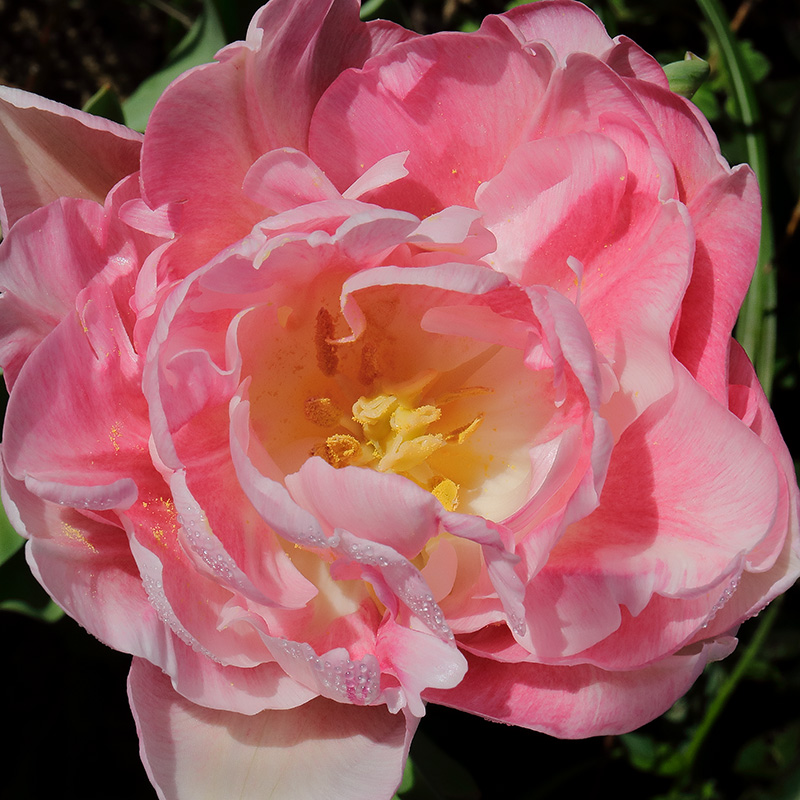
This year the old cherry tree (‘Kanzan’) in our front garden has only about a quarter of the flowers it used to produce. It’s probably not going to survive a lot longer and I’ll miss the fluffy pink blossoms. (They’re double flowers, so not so good for bees – if I had chosen the tree, it would have been a single-flowered variety.)

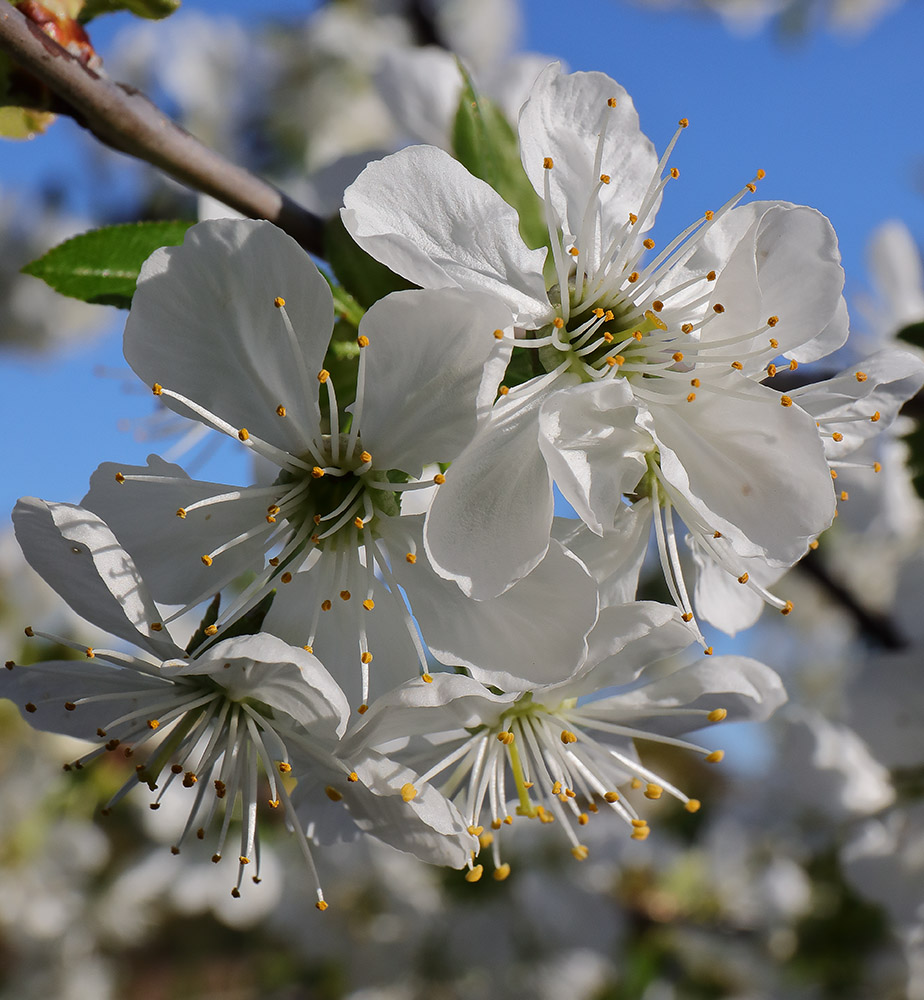
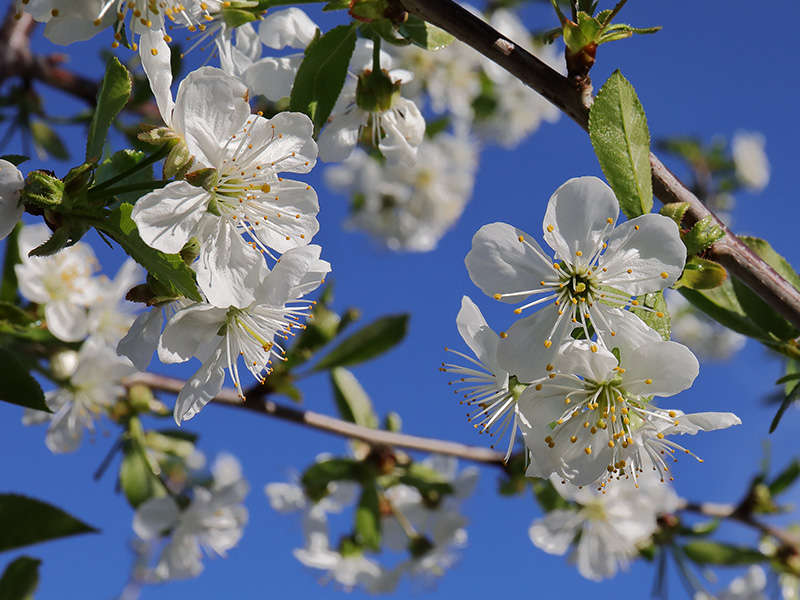
While there may be less pink blossom, we do have lots of white cherry blossom in the garden on a young fruit tree. To me, the flowers are every bit as pretty as those of the ornamental varieties. Plus, you have the added bonus of fruit. (Or the blackbirds do, if you’re not fast enough off the mark!)

I’m not sure what this tree is now – probably a morello – because it was an impulse buy by my husband along with a plum tree. Not the best way to buy things, but I have to admit to doing the same thing with perennials. But if it is a morello, then it’s much less sour than I would expect. I like to eat them straight off the tree – but then I do like the sour cherries you get in Turkey too. Mmm!

Given how good the flower display on the fruit trees has been this year, I’m keen to somehow find a bit more space for fruit in the garden. Having some organic food of your own seems like a very good idea these days and this is a fairly easy way to do it. (But not always successful. The plum tree planted at the same time as the cherry has never yet produced fruit. It does look very pretty when it’s in flower though.)

Space may be the only problem with my plan. I have a pear tree that I bought as a bare-root plant and planted up into a large container. It’s still waiting for a home after a couple of years. (Good thing it’s in a big pot!) It should get planted out later this year, but first we have to move our greenhouse and then work out the best place for the pear. I’m looking forward to some fruit from it in the future!

You can see my post from last year about our ‘Kanzan’ cherry tree here: https://annmackay.blog/2021/05/02/frothy-pinks-cherry-blossom/

Cherry tree blossom

Blossom Time (1)

Apple Blossom

NB: A note for WordPress Reader users – you need to click on the title of the post again to see the full photograph. (Otherwise you see just a tiny section!)

Right now my garden is frothy with the blossom of fruit trees. While perhaps a little plainer than the ornamental cherries and crab apples, they do give a lovely show of graceful flowers. The pink flush on the backs of the petals of the apple blossom pictured here really appeals to me. There’s something about the soft shading of the petals and the deeper pink of the unopened buds that’s particularly pretty in combination with the delicacy of the white.

The blossom in these photographs belongs to our Braeburn apple tree. It’s a small tree but gives a good crop of crisp, tasty apples. (We also have a Cox’s Orange Pippin, which is still very young. I prefer the Braeburn apples.) We aren’t the only ones that like the apples though – any windfalls are a magnet for blackbirds and wood pigeons. It can be quite entertaining to watch them competing for the fallen apples. Luckily for the birds, though, an apple is big enough to satisfy the appetites of several hopefuls.

While they’re in flower, the apple trees are the biggest provider of flowers for any bees or other pollinating insects that are around. So not only do the trees provide us with food and beautiful flowers, they are an important source of pollen and nectar early in the year.

I have other young fruit trees in the garden too. Especially beautiful is the cherry tree – just as much as any of the ornamental varieties – and that’s my next set of flowers to photograph. I’ll show you the results next week! 🙂

Apple Blossom

Not Yellow: White Daffodils

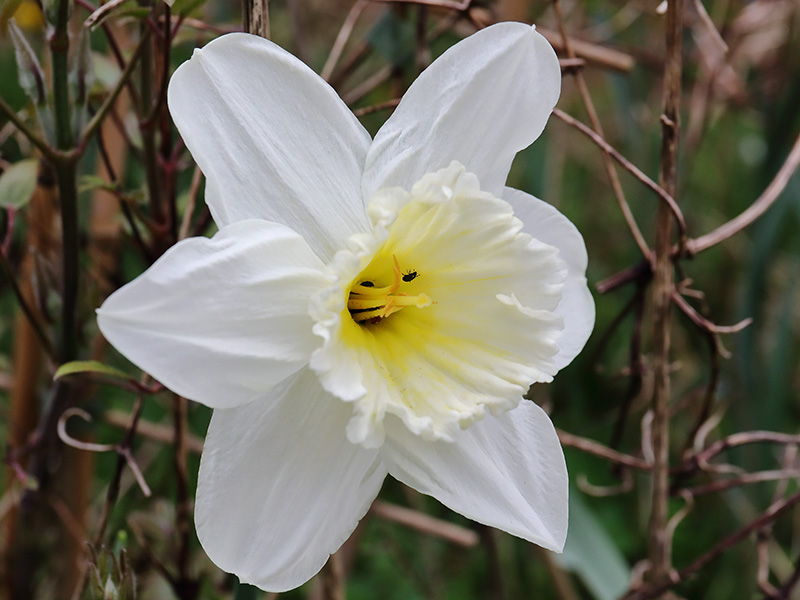
white daffodil with orange cup

NB: A note for WordPress Reader users – you need to click on the title of the post again to see the full photograph. (Otherwise you see just a tiny section!)

My childhood image of daffodils was always of brilliant yellow flowers. There were borders of them growing along all the edges of my parents’ garden and a few miles away there were vast swathes of them growing alongside a river. Some had a bit of orange on the cup, but most were yellow.

I do have a number of yellow daffodils in my own garden. I especially like the tiny ones because their short stems make them less likely to get flattened if it’s windy. But now I have more white ones (some with an orange or pale yellow cup). The idea of having the white daffodils was to give a more sympathetic backdrop to the hellebores which are still in flower. (The yellow daffodils can look a rather harsh colour when growing alongside the pinks and creams of the hellebores.)

Unfortunately for my colour scheme, that didn’t really work – turns out I have a number of yellow daffodils growing close to the hellebores after all. The problem is that bulbs so often get accidentally dug up and then replanted in the wrong place. I’ll need to shift those yellow daffodils and be a bit more careful in future!

Meanwhile, if there’s time away from all the work needed in the garden, I must bring some of the daffodils indoors to photograph them. It has been too windy outside to photograph many of them there. Breezy days are all part of the joys of spring flower photography, hehe!

white daffodil