Still Waiting for Spring

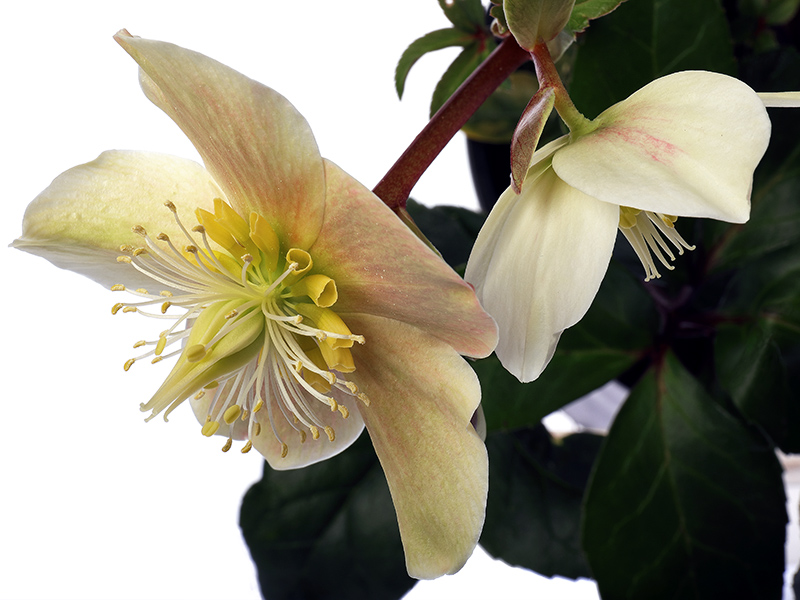
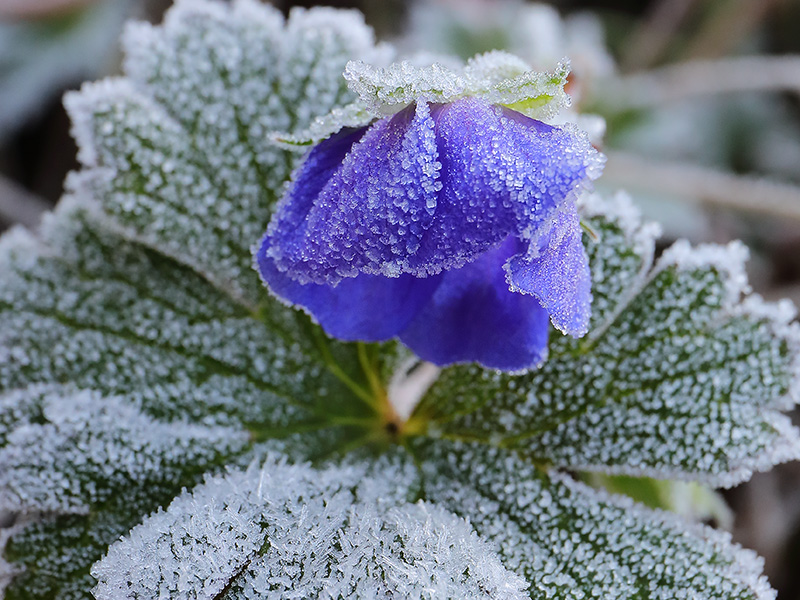
hellebore flower

It’s still not quite spring here. Actually, it’s quite confusing. We had a few days when it did get warm and sunny and working in the garden was a pleasure. But then the cold came back, along with heavy grey clouds.

Luckily, I hadn’t started removing the dead leaves and remains of the old growth from the perennials etc. There are still lots of ladybirds and other little critters tucked up for the winter in amongst it all. I don’t want to eject anything from its comfy little bed yet – they’ll want to snooze a bit longer until it gets warmer. Tidying up in the garden can wait a while.

I did make a start on removing some of the Japanese anemones that are doing their best to take over large areas of the garden. It was necessary to get a move on with this because a friend had given me two big plants of Salvia ‘Amistad’ and I needed to find space for them. (It’s a very sunny spot, with a bit of shelter, so they should be happy there.) However, it took me so long to get rid of all the anemone roots that I decided to plant the second sage into a big pot. Otherwise I would probably have run out of time to get the second patch of ground cleared.
Although the big swathes of anemones are a problem, I may well plant other flowers in big drifts. This is because it’s supposed to make it easier for the bees to find them. So no more dotting a plant here and another there! (I do try to plant in groups if I can. It does look much better. But that can get expensive if you’re buying them at a garden centre.)

I’m glad to see that the bumblebees have been making use of the flowers that are out now – mostly crocuses and the remaining winter jasmine flowers. They are probably visiting our hellebores too, but the downturned flowers make it hard to spot any visiting bees. I reckon that growing plants for bees makes an excellent excuse for buying more hellebores! (Well, any good bee plants really!)

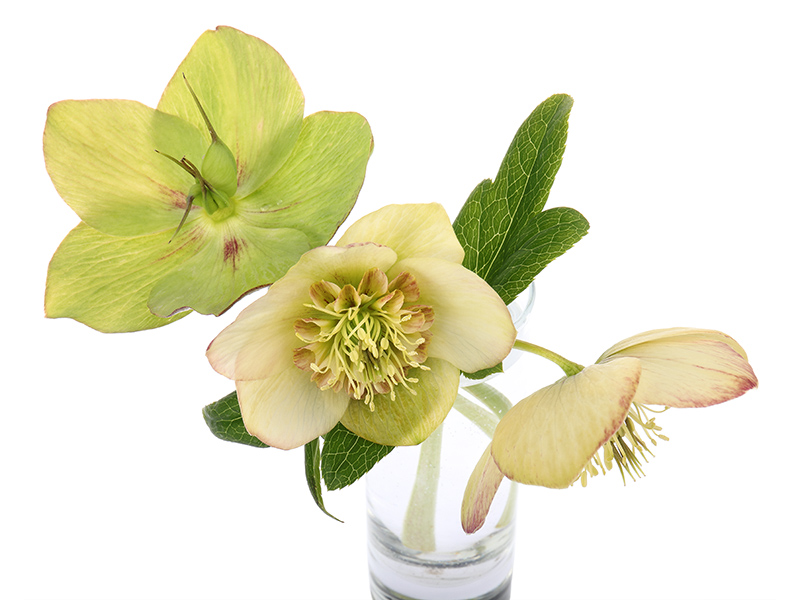
The hellebore here is a plant that I photographed in the garden last year. Bringing a few of the flowers inside made it much easier to photograph than trying to get low enough down to see the flowers outside. This is just its second year of flowering, so I’m hoping for lots more flowers as it gets bigger. (I don’t like to take many flowers from a plant that’s still small because I really prefer to see them still out in the garden. But you don’t miss the odd flower if there’s plenty of them.)

If you’re waiting for spring too, I hope there’s lots of exciting new growth popping up around you. And I wish you flowers – lots of flowers!

Simple but Colourful

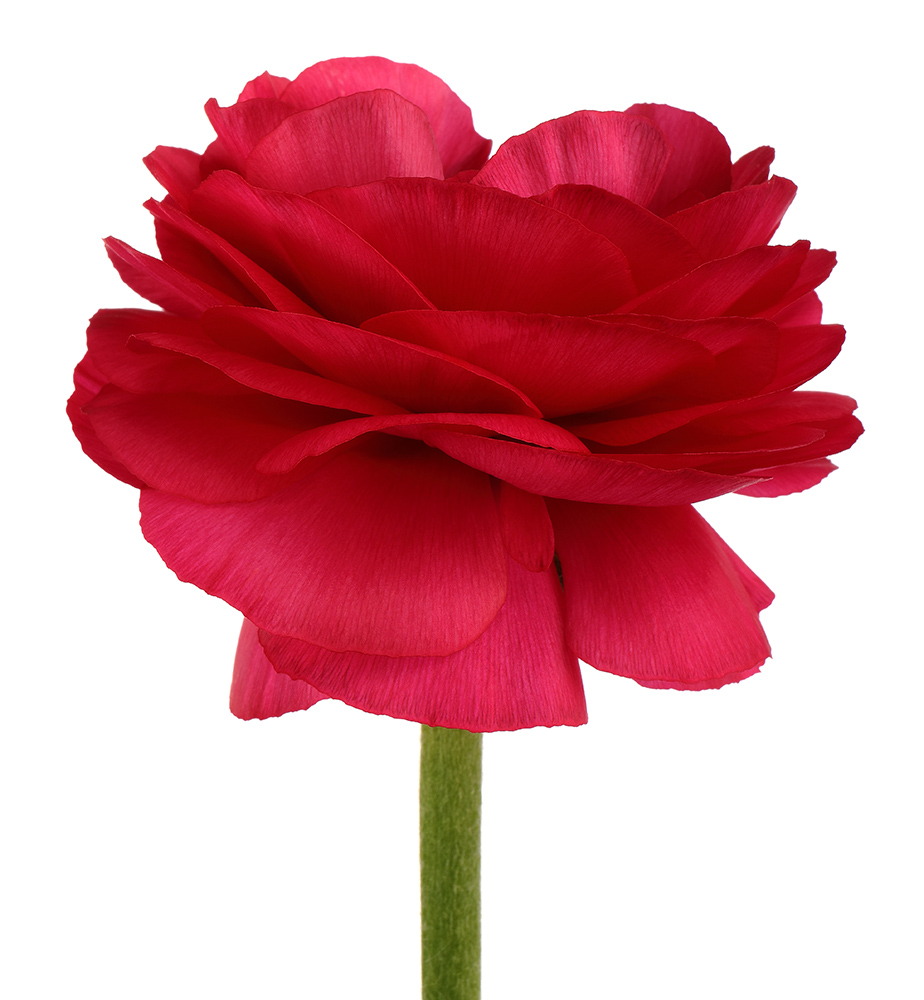
A bright red flower of Ranunculus asiaticus

Often it’s the form of a flower, especially the details of the structure within it, that attracts me to it. Usually it’s a combination of shape and colour that makes for an interesting photograph, and some of my subjects (e.g. passionflowers ) can be quite complex in their appearance.

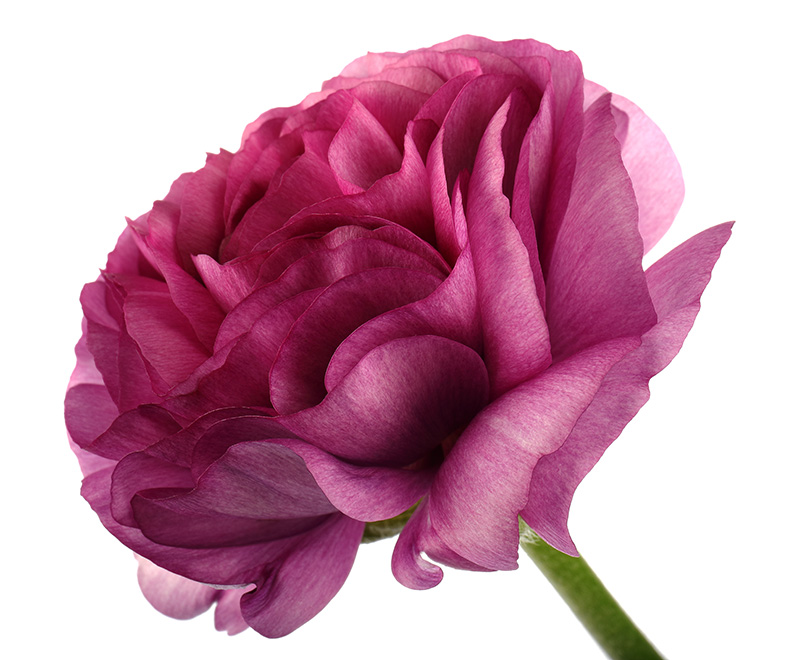
But some flowers are delightful in their simplicity, like these ranunculus, aka ‘Persian buttercups’. Their vibrant colours were enough to make me buy the plants to photograph them. (The red flower makes me think of the red crepe paper we used for making Christmas decorations as kids at primary school.)

These images are from last spring. Several others were posted on the blog at the time, but these have lurked on my PC as unprocessed RAW files since then. Wintertime is a good time to catch up with processing photographs that have been taken a while ago. It has given me something to keep me busy while it’s too cold to work in the garden.

Whenever there are flowers around, I take photographs of as many as I can. That means I have something to show on this blog every week. But during the warmer times of year, when I’m kept busy in the garden, time can be short. And then the photos mount up, waiting for me to get them ready to post here. It’s like having a little stash of colourful memories from sunnier days to keep me occupied while the garden has its winter break.

Soon I’ll be too busy outside to be able to spend a lot of time at the PC. Already the sunshine has come back and the temperatures are just a bit warmer. Everything in the garden is beginning to grow again and the crocuses are welcoming the first of the bees. No doubt, I’ll also be taking lots more photographs, so there will be plenty to process during next winter too.

An In-Between Time

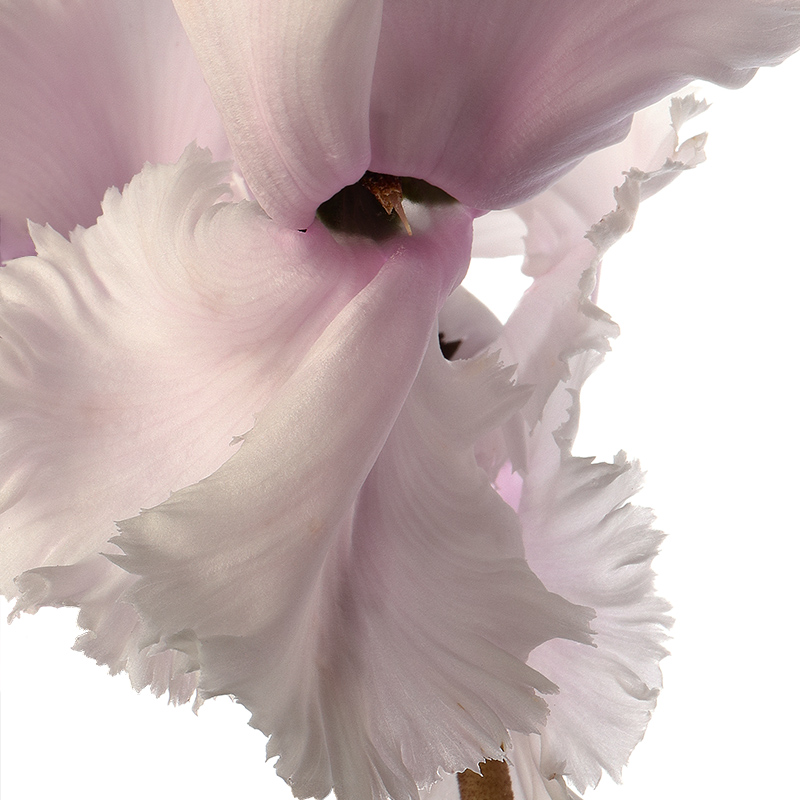
pink cyclamen flower

Spring is getting closer but it certainly isn’t here yet. Sometimes February can feel mild and spring-like, but this year it has felt colder and snowy. I haven’t been in the garden much in the last week or two.

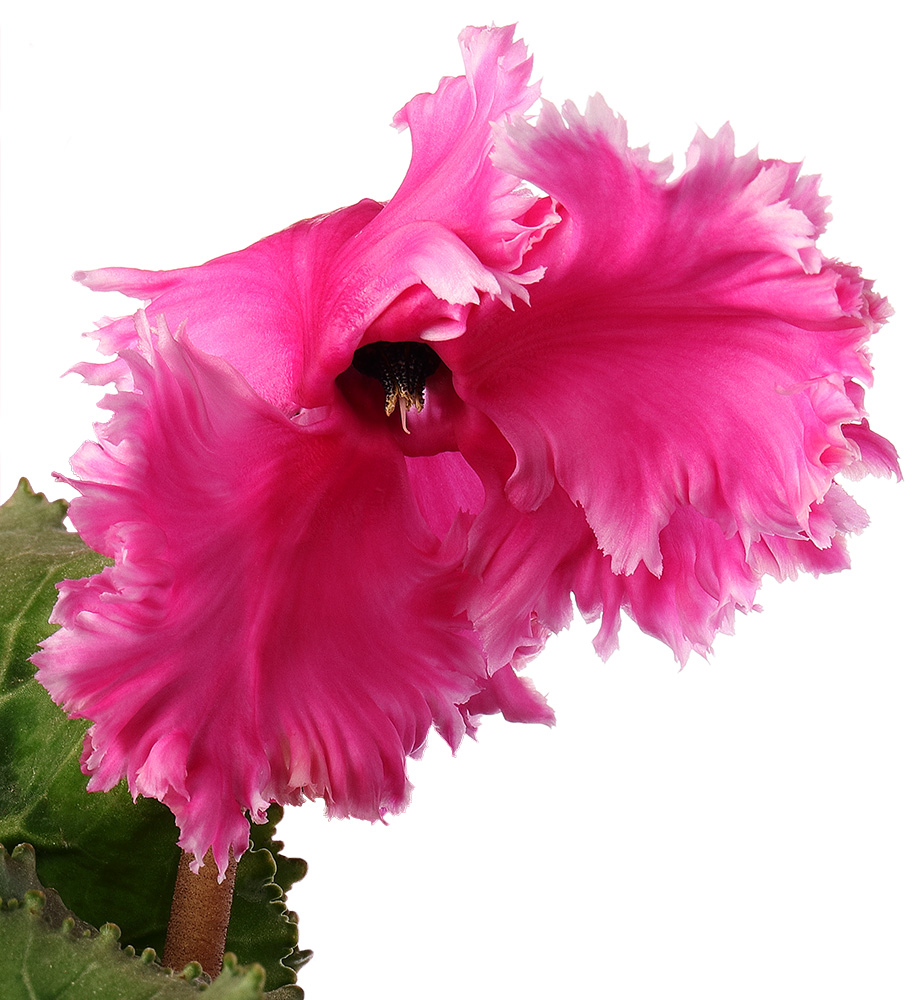
Apart from the hellebores which are starting to emerge, there has been a lack of flowers outside. Happily, the cyclamen plants have been busy flowering indoors to cheer us up. This year they seem to have lasted longer than usual – I think that’s because they’re in a cool conservatory.

Ruffled pink cyclamen flower

It feels like it’s not quite either winter or spring as I wait for the garden to come alive again with fresh growth. Meanwhile, I wanted something interesting to do. A plant I could photograph indoors so that I wouldn’t have to face the cold. These little flowers are ideal for that.

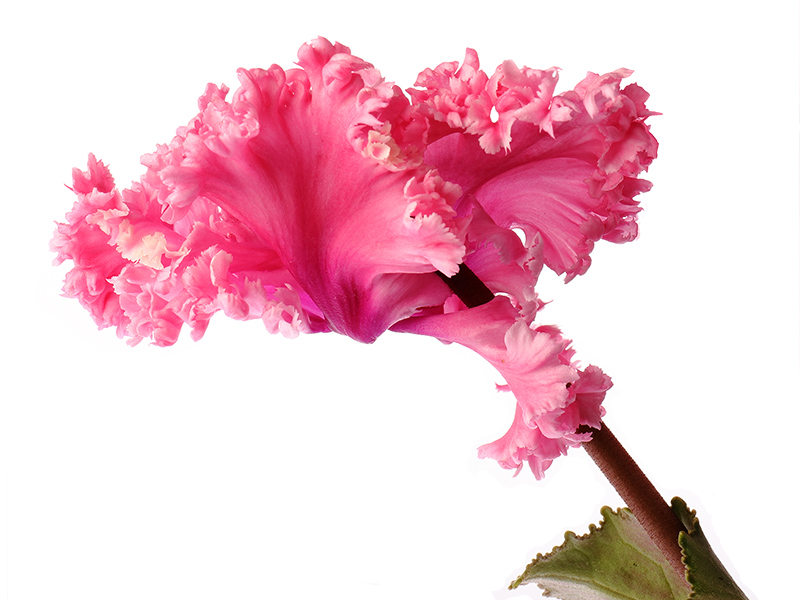
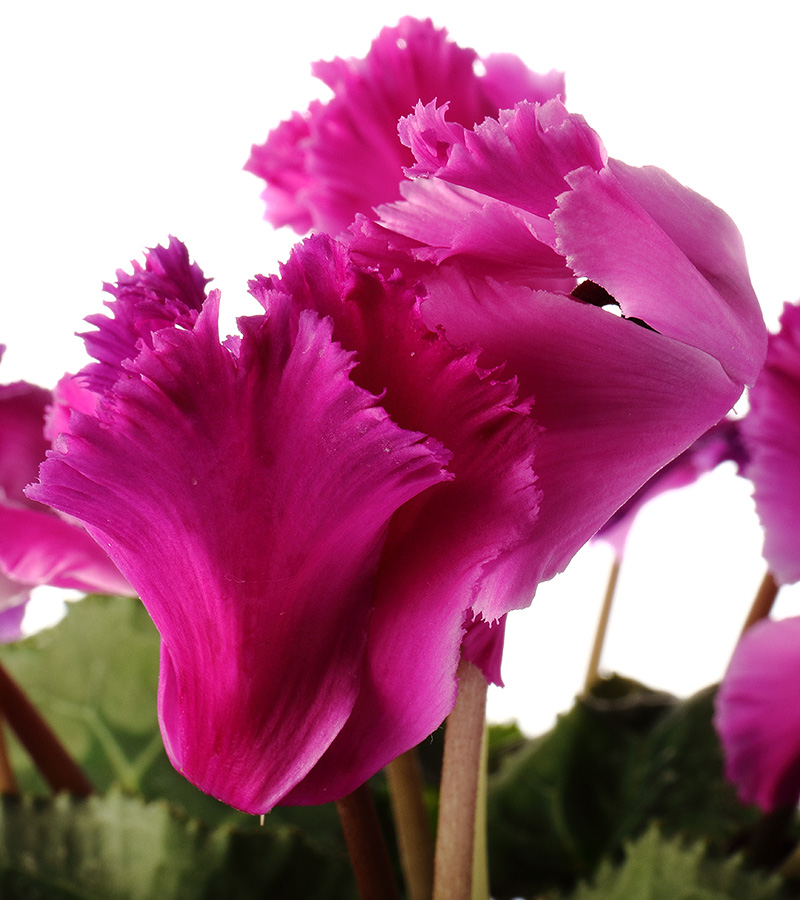
The rich colours and swirling shapes of the cyclamen flowers make them an obvious photographic subject. All those crinkles, curls and serrated edges give the petals a sense of drama and energy. Altogether, these features make the flowers look as if they’re in motion. The slight sheen of the petal surfaces suggests silk, making the flowers look like small pieces of fabric, fluttering in a breeze.

Cyclamen flowers

Alternatively, you could imagine that the flowers are tiny dancers, skirts swirling as they perform some graceful and athletic pirouette. Come in closer to the flower and that feeling of energy is magnified by all the curves and twists of the petals. Your eyes follow the lines made by the delicate veins, increasing the feeling of movement and strengthening the illusion.

Fun to photograph and glorious colour to combat the winter greys – I wouldn’t want to be without cyclamen at this time of year. Soon the spring flowers will be flaunting their brilliance and freshness, but for the last few weeks, it’s the cyclamen that have gladdened my heart.

Cyclamen flower

A Rose for Valentine’s Day

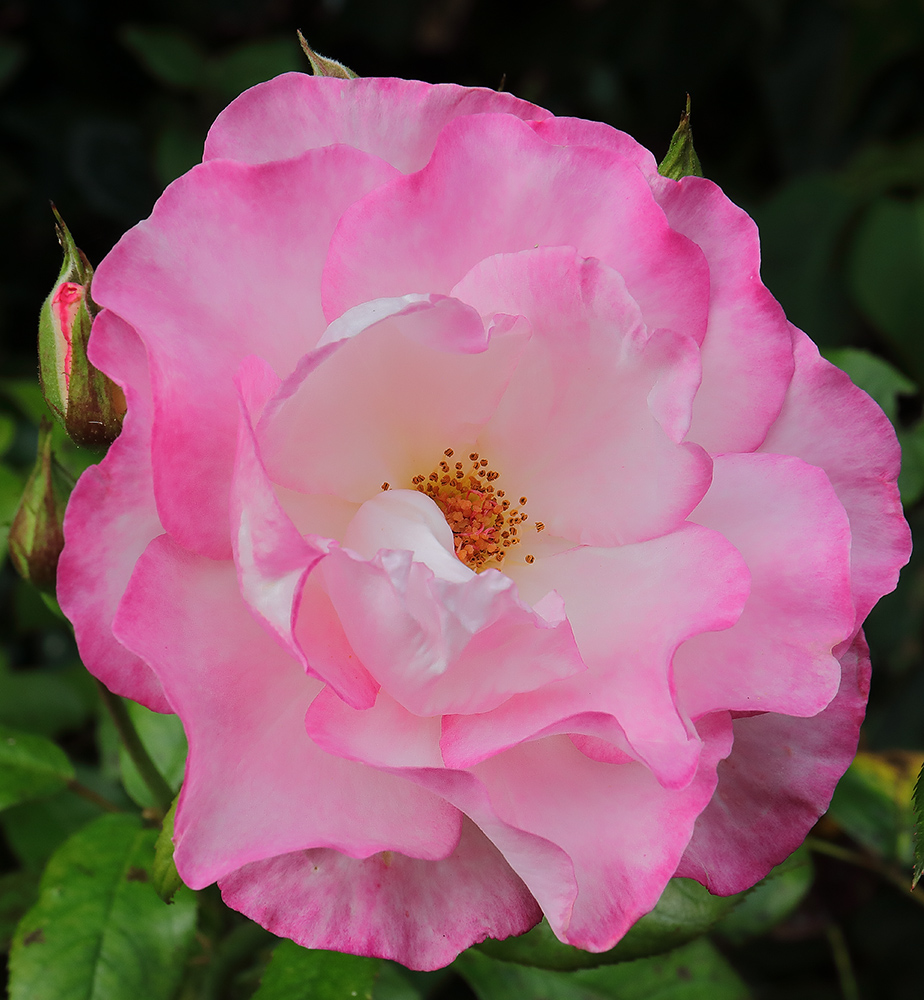
Climbing rose 'Handel'

Actually, this really isn’t a Valentine rose – it would need to be red. But I don’t have any red roses in the garden, so this is the best I can offer. (It’s the climbing rose ‘Handel’.)

According to Google and several florists’ websites, a pale pink rose means, among other things, ‘happiness’ or ‘joy’. So maybe it’s a bit more suitable as an offering to my blog readers than a red one would be!

I don’t know why it’s the red rose that means love. Perhaps it’s because it’s the colour of blood, so associated with the heart and passion. At any rate, it does go back a long way, even to the myths of the ancient Greeks. Aphrodite, their goddess of love, was scratched by a thorn on a white rose bush as she was rushing to be with her dying lover, Adonis. Her blood turned the rose red and ever afterwards, red roses were the symbol of love.

It feels like it will be a long time before there are any roses at all here. It’s snowy outside at the moment, and I am dreaming of being able to visit gardens where the scent of roses is carried on warm summer air. And I’ll be very happy to see them, whatever colour they may be!

Winter Delight: Hellebores

Hellebore flowers

Hellebores are starting to flower in the garden here. Some are still just small buds, but this one has been in flower for a few weeks. This is one of the Helleborus Gold Collection, HGC ‘Shooting Star’.

I particularly like this hellebore for the way that its flowers are held more upright than most hellebores. It makes it so much easier to see the flowers – and to photograph them too.

(My other hellebores are difficult to see properly in the garden. You really have to take the time to turn the flower head upwards if you want to look at the detail. But that has the advantage of making you get close to the flower and actually touch it, rather than just passing it by. So they’re all good!)

For the moment, this plant is in a pot, which has made it easy to take it indoors to photograph it. But it would probably be happier in a border where it has a bit more space. Later I will plant it out – when I find it a slightly shady spot where it won’t get too hot in summer.

As a winter and early spring flowering plant, hellebores are a great treat in the garden. They start flowering when much of the rest of the planting is either dead foliage or shoots that are not yet ready to emerge. And their beautiful flowers have an exotic look – much bigger and more showy than the other winter flowers. If I get the chance to go shopping in a garden centre while they’re still available, I know I’m going to be very tempted to buy more.

hellebore flowers

The Ordinary Made Special: Frost

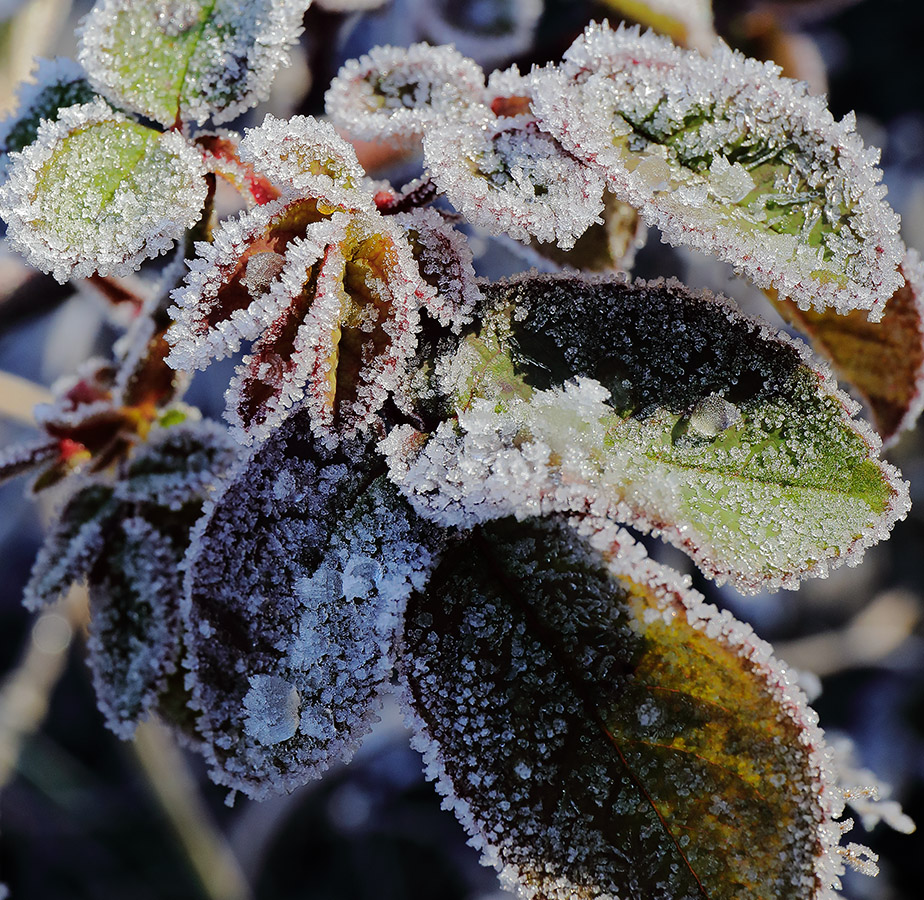
frosted rose leaves

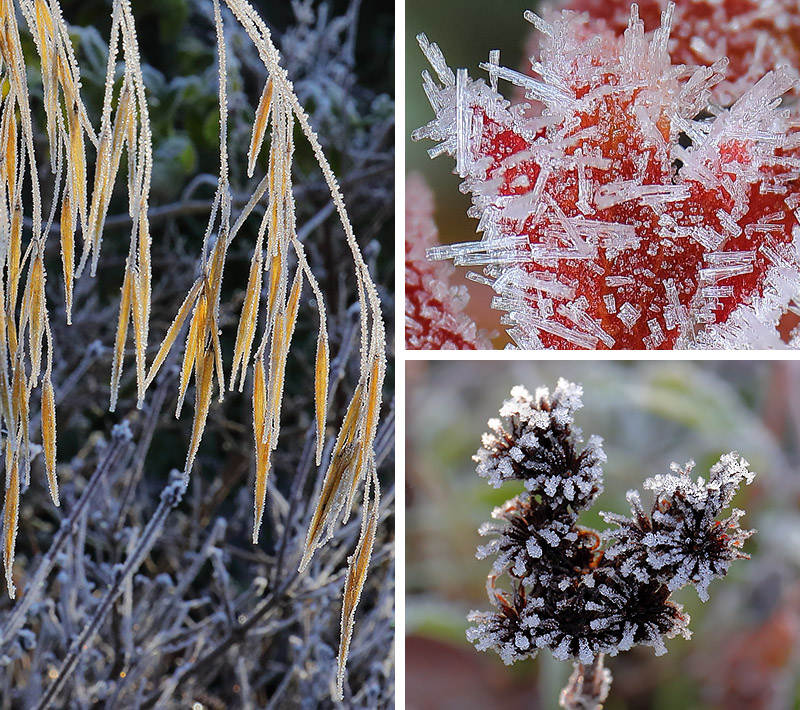
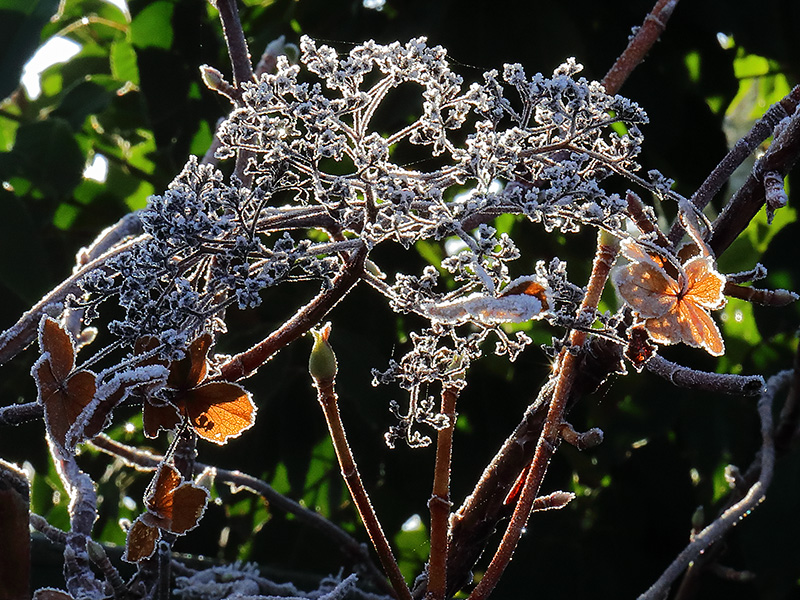
It’s the end of January and I hope that these are the last frost photographs I’ll share for a while. Although this winter hasn’t been very cold, I just can’t wait for it to end. I’m ready to see new growth and to welcome the first flowers of spring.

Despite my impatience for the cold weather to be over, I’m grateful for a bit of frost. Without it, there would be very little to photograph here in winter. There would be much less to tempt me outside for a wander around the garden too.

With frost, the garden is transformed from being a soft and soggy mess of dying vegetation into somewhere crisp and rigid. It feels utterly changed, alien even. Plant remains that would normally go unnoticed stand out as the frost makes them into something new.

frosted plants

The smallest of things can suddenly be full of photographic possibilities. Tiny seed-heads, old leaves, the dried stems of decorative grasses – these can become features that demand attention. The frost emphasises the delicate nature of these small things. It can make a plant look like a piece of fragile lace or as if it has been dipped in sugar. And if the sun is shining, the garden can come alive with the sparkle of all those millions of tiny crystals.

So I won’t be ungrateful for the beauty that winter can produce. I’ll try to be patient while I wait for spring to arrive. But I can’t help being excited to see the signs that the spring isn’t far away. Now there are green daffodil buds starting to appear and the first of my hellebores has come into flower. And I’m off out into the garden to photograph them…

frosted hydrangea

Snow Day

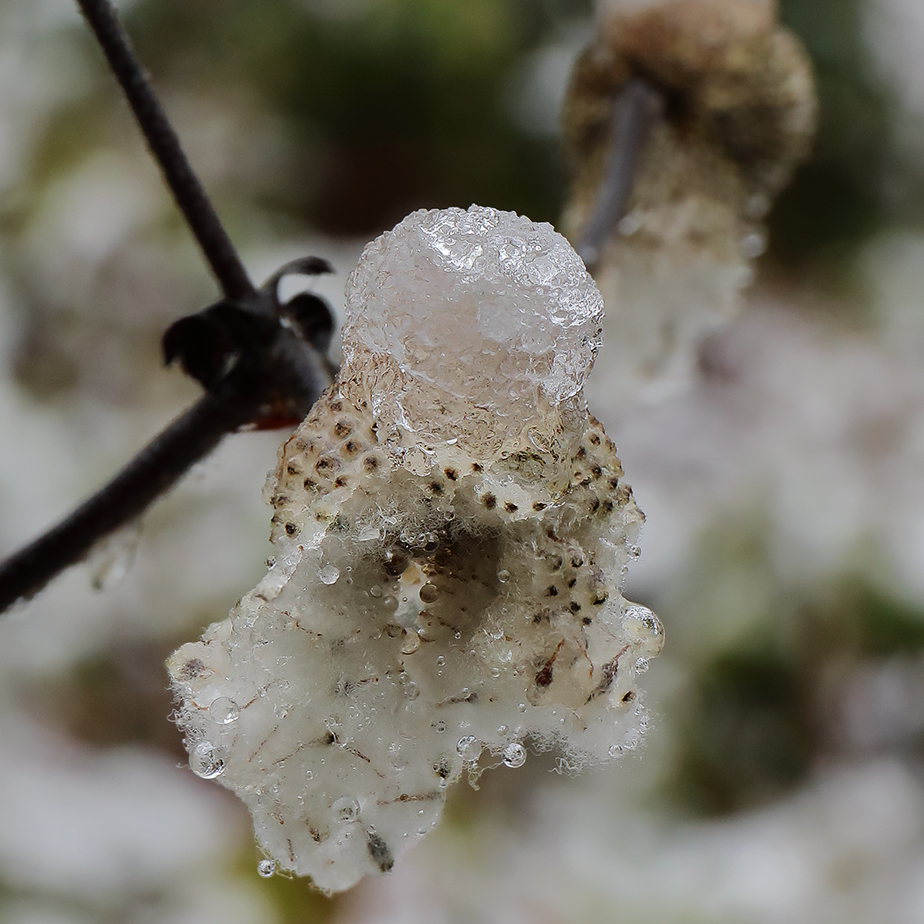
Snow on anemone seed head

We were greeted by snow this morning, but by the time you read this it will be gone. It won’t last for even the full day because it has now started to rain.

But it has given me an excuse to post an image with just a little bit of wet snow. This is a seed-head of a Japanese anemone. I was attracted to photographing it by the cap of melting snow that it’s wearing, and by the way the drops of meltwater are clinging to the fluffy hairs of the seeds.

It’s interesting to see how these seed-heads start as perfect tiny spheres and then erupt into little woolly clusters of seeds that can float away in the wind. I allow them to stay in the garden over the winter. A few years ago, tidy-minded gardeners would insist that the old stems and seed-heads ought to be cut back and taken away at the end of the year. Times have changed, and now we’re encouraged to leave them standing as a habitat and food for wildlife.

With luck, goldfinches will come and help themselves to these seeds. (I’ve already noticed them eating the seeds of verbena bonariensis in the last week.) And if the heads survive until springtime, the remainders will probably be gathered up when the goldfinches are building their nests. I often see these birds with their beaks full of the fluffy seeds and think that they must be creating the cosiest and most comfortable homes for their babies. So I won’t be cutting back any of these seed heads. The birds are very welcome to them.

Waiting for Snow

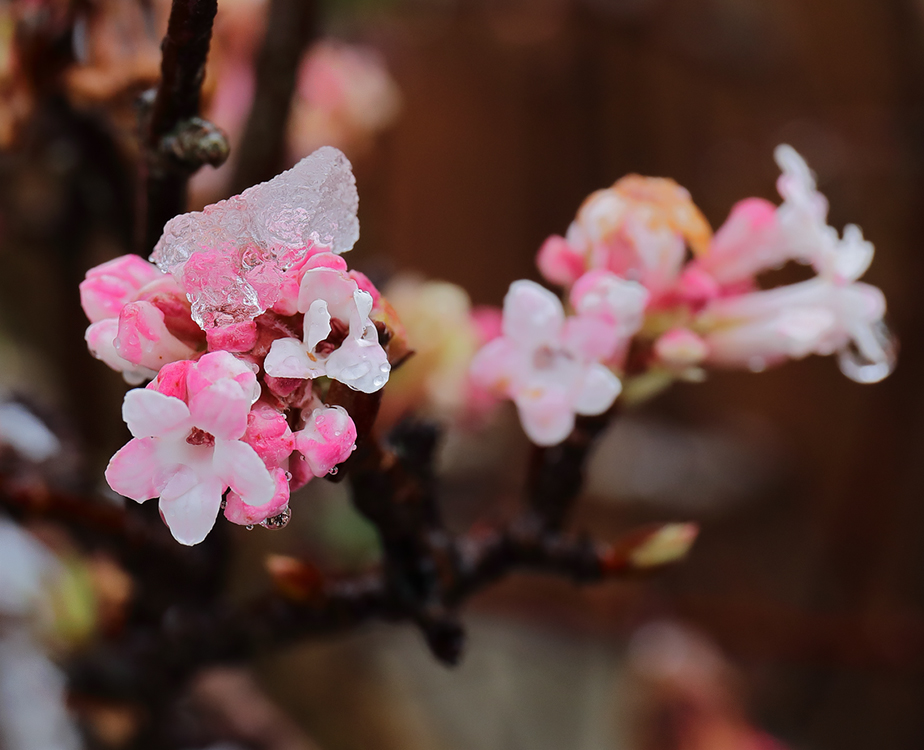
Viburnum bodnantense 'Dawn'

January is the month that we really get into winter here. December can be mild and wet and not feel especially cold. Then, as the New Year arrives, the temperature tends to drop.

In December we did get a little bit of wet snow which disappeared within a couple of hours of falling. It didn’t stay around and look pretty for long, but it gave me the chance to take a few wintery photographs.

There’s something about the way snow half-hides things that makes having a rather chilly wander around the garden more interesting. It calls attention to details you might have just walked past the day before. Or makes you see things just a little differently. Those few remaining apples on their little tree fairly glow in the dull light when contrasted with the paleness of the snow. And fallen seed heads become semi-translucent as the melting snow soaks into them.

Melting snow on Braeburn apples

It’s quite possible that we may get no snow at all during January – or even during the rest of the winter. Winters without snow are not rare in the east of England. But I can’t imagine what my childhood in the north of Scotland would have been like without the heavy winter snowfalls.

Those winters were certainly colder and the snow would pile thickly everywhere until the landscape was just a soft white blur. Roads soon became blocked – I remember how often we helped to push cars out of snowdrifts on the narrow country road by our house. And the sound of a heavy sheet of melting snow rumbling its way down a slate roof is with me still. (The tall drifts of snow that built up from that happening were great fun to play in as a kid – but wouldn’t have been so great if the snow had landed on us!)

Here in Suffolk, though, things are very different. As I’m writing this, the sky is blue and the sun is shining – perfect weather for being outside. Maybe there will be snow this month or maybe there won’t…but if there is, I’ll get out and take some photos!

Half-hidden by melting snow – the seed head of a long-gone agapanthus flower.

Coming in Late

Hesperanthas tend to get nipped by frost here before they have much chance to flower. For some reason they always seem to flower late in my garden. They’re usually described as an autumn flower. (I’ve also seen sites say that they’re a late summer flower. But I certainly wouldn’t say November, or if I’m lucky, October is ‘late summer’!)

Maybe the late flowering is because the climate here is much drier than they like and they wait for the late autumn/winter rains to get them started. (They like that elusive ‘moist but well drained’ position that we don’t have very much of. There is the choice of well-drained and dry or yet more well-drained and dry. Adding compost helps but creating it takes time.) Plants that like damper conditions have to be kept watered in summer. Perhaps if I water the hesperanthas more thoroughly, they’ll flower a bit earlier.

I really wanted to photograph this plant before the frost could destroy the flowers, so I kept it in a pot under glass*. That worked well and it stayed in flower for a few weeks. Having the flowers protected from the weather meant that they stayed in great condition for being photographed.

This is a trick I often try with new plants – it allows me to have undamaged flowers to photograph and can make it much easier to get at them for photography too. (Once plants are in a border, it can be difficult to get near enough to them without trampling on their neighbours.)

Now that the photographs have been taken, I can plan where to plant out this hesperantha (or ‘river lily’). It will probably be a lot happier – especially if I manage to create an area that can easily be kept well-watered for all the plants that like moisture. (A bit like a bog garden without the bog.) I think that might be a challenge for next year.

POSTSRIPT: I was amused to see that I’ve misled some readers by using a common phrase in UK gardening. ‘Under glass’ just means in a greenhouse, conservatory or cold frame. The hesperantha has been in the conservatory for a while and will spend the rest of the winter in the greenhouse. It’s interesting to see how phrases we take for granted don’t necessarily travel well, hehe!

A Frosty Bunch

Frosted flower of red scabious (Knautia macedonica)

The frost caught the last few flowers that have been holding on in the garden. I love to see the effects of this and always hope that there will still be something around to be decorated by the first frosts. Some years it’s too mild here for that, and by the time the frost does arrive, the flowers are long gone.

Frosted flower of Scabiosa atropurpurea
A frosted flower and seed head of Scabiosa atropurpurea

But this year I’ve been lucky and still have some flowers, even now that it’s December. (I still find that surprising because there would have been none at all if we were still living in Scotland. Our garden there really seemed to go to sleep in winter.) And there are also the winter flowers – the newly emerged little yellow stars of winter jasmine and the glowing yellow buds of mahonia and pink ones of Viburnum bodnantense ‘Dawn’. (These are just starting to open.)

I think the fact that there is still life happening in my garden at this time of year does a lot for my well-being. There are still interesting things to see (and photograph), and of course, lots more work to do!

Frosted flower of Geranium 'Rozanne'
Frosted flower of Geranium ‘Rozanne’

Being able to get outside into the garden is a real benefit at the moment, when Covid restrictions make it difficult to leave home. At least I don’t have to be stuck indoors and I can enjoy my (chilly!) garden without having to worry about the dreaded virus. Of course, I’ll be even happier when I can safely invite friends nearby to come and spend time in my garden with me. Luckily my online friends can visit easily and without any health risks!

Frosted flowers of Cosmos
The last of the cosmos flowers caught the frost too.